
Big Chains vs Local Timber Merchants in New Zealand
Which is the better choice
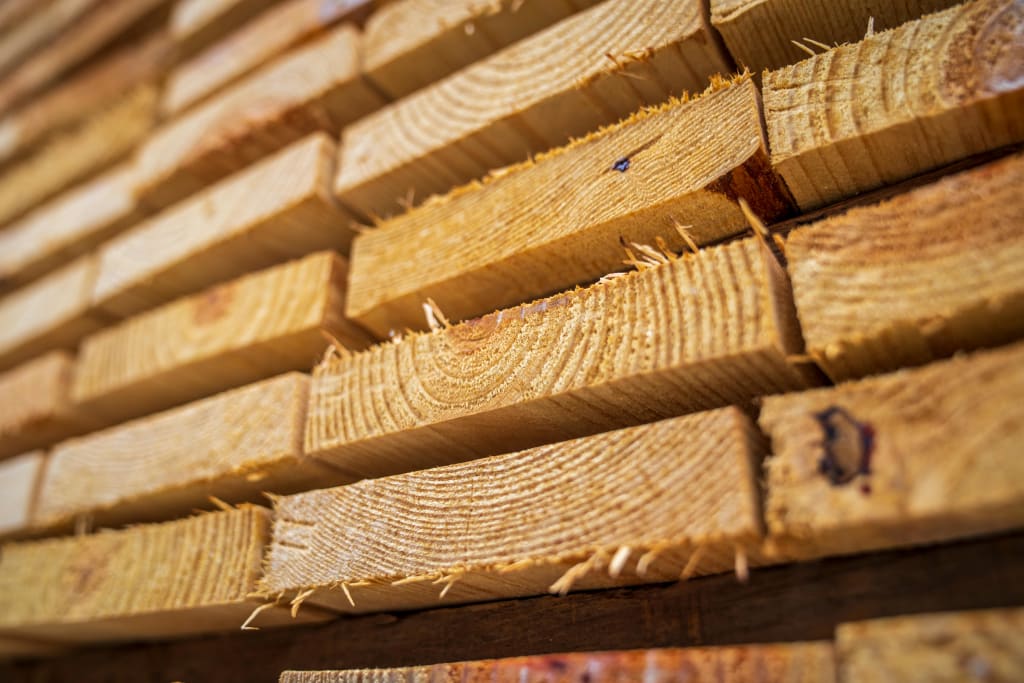
Walk into any timber yard in New Zealand and you will hear the same debate play out sooner or later. Is it better to buy timber from a big national chain, or are local and regional timber merchants the smarter choice?
For some buyers, the answer feels obvious. Big chains are everywhere, prices are clearly displayed, and stock levels are usually predictable. For others, especially those working with timber every day, local merchants offer something the chains cannot easily replicate: depth of knowledge, specialist product ranges, and a more flexible approach to supply.
The reality is that both play an important role in New Zealand’s timber supply industry. Understanding where each excels helps buyers make better decisions, whether they are weekend DIYers or trade professionals managing multiple builds.
Price Consistency vs Pricing Flexibility
One of the most noticeable differences between national chains and local timber merchants is how pricing works.
Large chains such as Mitre 10 operate on scale. Their pricing is generally consistent across the country, which gives buyers certainty. If you are pricing up a deck or framing job, you can quickly check costs online and know roughly what you will pay at any store. For many homeowners, that transparency is reassuring.
Local timber merchants tend to be more flexible. Prices may vary based on timber grade, availability, and volume, and trade customers often work on relationship based pricing. While this can feel less straightforward, it often works in favour of buyers sourcing higher grade or specialist timber. Local merchants can also respond more quickly to market changes rather than locking into national pricing structures.
In short, big chains win on predictability, while local suppliers offer more room to tailor pricing to the project.
Product Range and Access to Specialist Timbers
This is where the gap between big chains and local merchants becomes most obvious.
National retailers focus on what the majority of customers need. Their timber ranges are built around common residential and light commercial applications. Structural timber, decking, fencing, and treated pine are well covered, but choice is often limited to a small number of sizes and grades.
Local timber merchants take a different approach. Businesses like Timberman have built their reputation on offering products that are difficult to find elsewhere. Their stock includes dressed timber planks, marine grade hardwoods, furniture grade timbers, and a wide range of interior and specialty options. Customers can often select individual boards and have timber cut to size.
For builders, joiners, and serious DIYers working on bespoke projects, this access to specialist timber can be the difference between compromising on design and getting the result they want.
Service Levels and Timber Knowledge
Service is one of the most talked about differences, and it often comes down to how timber focused the business is.
Big chains employ knowledgeable staff, but they are covering a wide range of products, from timber and tools to paint and gardening supplies. Advice tends to be practical and geared towards standard use cases, which suits many customers just fine.
Local timber merchants live and breathe timber. Their staff are often drawn from manufacturing, milling, or long term trade backgrounds. At places like Timberman, customers are encouraged to talk through their project, discuss timber suitability, and get guidance on grades, finishes, and applications.
For trade professionals, that level of understanding can save time, reduce waste, and avoid costly mistakes. It also builds trust, which is why many builders stick with the same merchant for years.
Convenience and Nationwide Coverage
There is no denying the convenience of big chains.
Mitre 10 has stores throughout New Zealand, making it easy to source timber whether you are in a major city or a regional town. Opening hours are generally longer, stock levels are predictable, and delivery networks are well established. For projects that need materials quickly, that accessibility matters.
Local timber merchants typically operate from fewer locations. While this can limit convenience, it is often balanced by stronger product availability within their niche. Many are located strategically near transport routes or processing hubs, allowing them to carry deeper stock of specialist timber even if they are not on every corner.
For buyers working across multiple regions, chains have the edge. For those sourcing specific products, distance is often worth the trade off.
Where Local Merchants Outperform Big Brands
Despite the reach of national chains, there are areas where local timber merchants consistently outperform big brands.
Specialist timber is the clearest example. Furniture makers, boat builders, architects, and designers often need timber that is not stocked by mainstream retailers. Local merchants cater to these needs by holding niche products and understanding how they will be used.
Service flexibility is another advantage. Local suppliers are often more willing to cut timber to size, help select boards, or work through complex requirements. These details matter on high value or detailed projects.
Finally, local merchants tend to build stronger long term relationships. For trade customers, that relationship can mean priority access to stock, honest advice when supply is tight, and a supplier who understands their business.
Two Different Approaches, One Industry
Using Mitre 10 and Timberman as examples highlights how different these approaches can be.
Mitre 10 represents consistency, accessibility, and scale. It suits DIY homeowners, small builders, and anyone who values convenience and straightforward pricing.
Timberman represents specialisation, service, and product depth. It appeals to customers who need more than standard timber and want guidance from people who work with timber every day.
Neither model is better across the board. They simply serve different needs within the same industry.
Making the Right Choice for Your Project
Choosing between a big chain and a local timber merchant should come down to the project in front of you.
If you need common materials quickly and want price certainty, a national chain makes sense. If your project requires higher grade timber, specialist products, or informed advice, a local merchant is often the better option.
New Zealand’s timber industry is stronger because it has both. Big chains keep materials accessible nationwide, while local merchants preserve knowledge, craftsmanship, and choice. Knowing when to use each is what separates a smooth build from a frustrating one.
About the Creator
Keep reading
More stories from Your NZ Local and writers in Journal and other communities.
The Top 5 Best Renovation Companies in Tauranga
When you’re planning a home renovation, the builder you choose can completely shape your experience. The right company won’t just complete the work — they’ll listen, plan carefully, and deliver results that suit your lifestyle and budget. Tauranga has no shortage of talented tradespeople, but finding a renovation specialist you can truly rely on takes a bit of research and a few smart questions.
By Your NZ Local4 months ago in Journal
~ Fired ~
— Ai Intrusion ~ Are you Next ~ Is Ai Evolution after your job? — Few workplaces haven't been affected. Ai is in supermarkets, at doctors' offices, and even monitoring farms. I just can't think of anything this machine is not getting into, can you? For instance: Education ~ Law and Tech jobs will one day have a major influence or be taken over by these inanimate machines, with accuracy and vigor. From mechanics' diagnoses to a wide variety of everyday jobs, including fast food workers, with this input having the ability to cut their unnecessary work hours. I'm certain all of us have been touched by this with our short stories and colorful headings, have you? Even comments are very questionable 'Non-Robot' insertions.
By Jay Kantor3 days ago in Journal
Trouble at the Tea Leafing Café
The rain had started right around the time that Annie was buttering her second thick slice of homemade toast for breakfast, and hadn’t paused since. Not that anyone could tell. The windows of the café were fogged over, and with every seat filled with happy customers munching on fresh baked pastries or steaming bowls of the delicious soup of the day, it was hardly surprising. Annie looked around the room, finally taking a moment to breathe after the lunch time rush. Her old life already felt like a bad memory, a part of her history, always, but just that. History.
By Hannah Moore4 days ago in Fiction




Comments
There are no comments for this story
Be the first to respond and start the conversation.