
Best Practices for Managing Tower Leases and Contracts in a Growing Telecom Market
Tower Leases and Contract Management
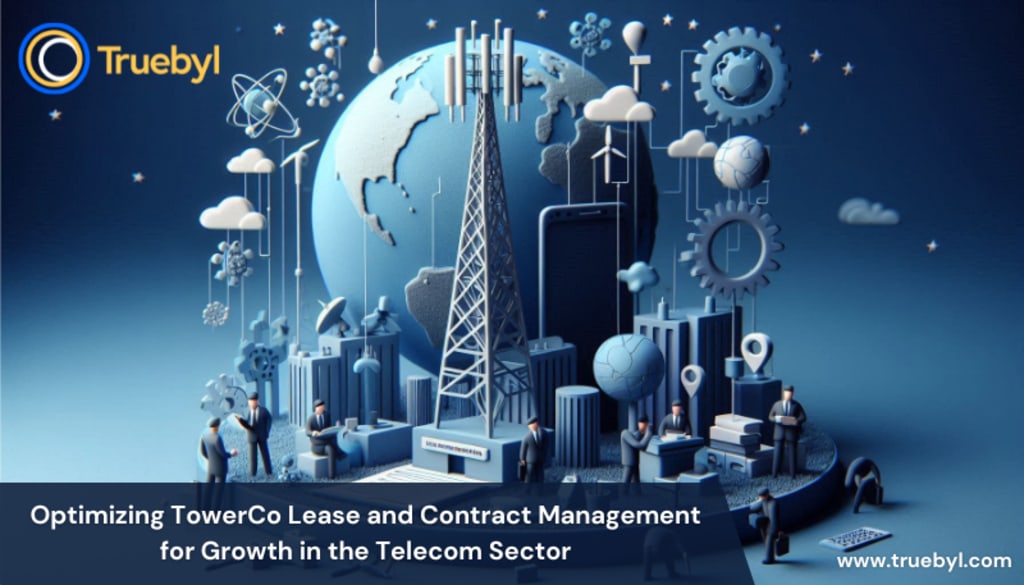
As the telecom industry continues to expand with the adoption of 5G networks and increased data consumption, the role of Tower Companies (TowerCos) in supporting infrastructure has become more critical than ever. The mobile industry has been instrumental in extending connectivity to people around the world. In 2021, the number of mobile internet subscribers reached 4.2 billion people globally. With telecom operators racing to provide wider coverage, TowerCos are managing a growing portfolio of telecom towers, assets, and tenants. In today's rapidly growing telecom market, effective management of tower leases and contracts is crucial for Towerco businesses to maintain a competitive edge. Implementing best practices ensures smooth operations, enhances tenant relationships, and optimizes revenue.
This article outlines the best practices for managing tower leases and contracts in a growing telecom market, providing insights on how TowerCos can enhance efficiency, maintain compliance, and achieve scalable growth.
Here are some key strategies to consider:
1. Centralized Lease and Contract Management
As TowerCos expand their portfolios, managing lease agreements across multiple sites and tenants can become overwhelming. A centralized contract management platform is essential for organizing all lease-related documents and information in one place. This ensures:
- Easy access to contracts and lease agreements from anywhere, improving collaboration between teams.
- Reduction of errors and inconsistencies caused by decentralized data handling.
- Real-time updates for changes in lease agreements or new tenancies, ensuring accurate and up-to-date information across the business.
Centralizing lease data also simplifies compliance with regulatory requirements, helps avoid missed deadlines for renewals, and enhances overall operational efficiency.
2. Automated Billing and Payment Reconciliation
Manual billing processes can result in errors, payment delays, and disputes with tenants. TowerCos benefit significantly from automating the billing and payment reconciliation process. A convergent billing system integrated with lease management ensures that:
- Arrear and advance billing are handled seamlessly, including proration for partial usage periods.
- Automated invoice generation and distribution keeps tenants informed and streamlines the payment process.
- Reconciliation of payments with billing records ensures financial accuracy and helps avoid revenue leakage.
Automating these processes not only increases billing accuracy but also frees up administrative resources, allowing TowerCos to focus on growing their operations.
3. Efficient Role-Based Access Control
With multiple stakeholders managing leases and contracts, ensuring that the right people have access to the right information is crucial for security and efficiency. Role-based access control (RBAC) allows TowerCos to:
- Assign specific roles and permissions to employees, ensuring that only authorized personnel can view or modify sensitive lease data.
- Maintain accountability by tracking who has made changes to contracts or other important documents.
- Reduce the risk of unauthorized access, enhancing data security and compliance with industry standards.
RBAC improves overall operational security and ensures that information is only available to those who need it.
4. Optimize Lease Terms for Market Conditions
Telecom markets are constantly evolving, and lease agreements must be flexible enough to adapt to changing market conditions. TowerCos should regularly review and update lease terms to:
- Incorporate adjustments for inflation or market pricing trends, ensuring that rental rates remain competitive.
- Include clauses that account for new technologies or services, such as 5G or shared infrastructure models.
- Plan for market expansion by including options for lease renewals or extensions, maintaining strong partnerships with telecom operators.
By optimizing lease agreements in response to market dynamics, TowerCos can maximize profitability while remaining flexible to tenants' needs.
5. Use Data Analytics for Lease and Tenant Management
The use of data analytics in lease management enables TowerCos to gain deeper insights into tower utilization, tenant behavior, and contract performance. Analytics can help TowerCos:
- Track key performance indicators (KPIs) such as lease renewal rates, average revenue per tenant, and tower utilization.
- Identify underperforming towers or tenancies and make data-driven decisions about asset optimization or renegotiation of lease terms.
- Predict tenant churn and take proactive steps to renew or replace expiring contracts.
Data-driven decision-making empowers TowerCos to manage their leases more effectively and improve their financial performance.
6. Enable Multi-Tenant Support for Maximized Revenue
Many telecom towers host multiple tenants, such as mobile network operators (MNOs) and Internet service providers (ISPs), making multi-tenant support a critical feature for TowerCos. By enabling multiple tenants on the same tower, TowerCos can:
- Maximize asset utilization, ensuring that each tower generates the maximum possible revenue.
- Customize lease agreements for each tenant based on their unique requirements, such as space, power usage, and equipment needs.
- Distribute shared costs (such as energy and maintenance) across tenants, reducing disputes and ensuring fair allocation of expenses.
By supporting multi-tenancy, TowerCos can increase their revenue potential and create more sustainable business models.
7. Maintain Regulatory Compliance
Telecom towers are subject to stringent regulations regarding safety, land use, and environmental protection. TowerCos must ensure that their leases and contracts adhere to these regulations to avoid legal complications. Best practices for ensuring compliance include:
- Conducting regular audits to ensure lease agreements comply with local and international laws.
- Tracking changes in regulatory requirements and updating lease terms as necessary to remain compliant.
- Ensuring environmental protection clauses are included in leases to account for energy usage and site maintenance.
Staying compliant with regulations helps TowerCos avoid fines and legal disputes while maintaining a strong reputation in the market.
8. Regularly Review and Renew Leases
Lease agreements should not be static documents but rather dynamic contracts that are reviewed and updated periodically. To manage lease renewals effectively, TowerCos should:
- Track upcoming lease expiration dates to avoid service disruptions and ensure continuous revenue.
- Negotiate new terms that reflect current market conditions and infrastructure requirements.
- Implement automated reminders and notifications to ensure that all stakeholders are aware of renewal deadlines and upcoming contract negotiations.
Proactive lease management ensures that TowerCos stay ahead of contract expirations, avoiding revenue loss and maintaining positive relationships with tenants.
9. Plan for Technology Evolution
The rapid pace of technological change in telecom requires forward-thinking lease management:
- Include provisions in leases for equipment upgrades and technology changes.
- Consider the potential impact of emerging technologies (e.g., small cells, distributed antenna systems) on traditional tower leases.
- Stay informed about industry trends to anticipate future lease requirements.
10. Optimize Your Portfolio
Regularly assess your tower portfolio to maximize overall performance:
- Identify underperforming assets for potential divestment or renegotiation.
- Explore opportunities for site sharing or co-location to increase revenue per tower.
- Consider strategic acquisitions to strengthen your market position in high-growth areas.
11. Enhance Tenant Communication
Strong communication with tenants is essential for maintaining good relationships and ensuring that lease terms are clear and mutually beneficial. TowerCos should leverage digital communication platforms to:
- Provide tenants with clear and transparent billing statements and contract terms.
- Facilitate negotiations and approvals through digital platforms, reducing delays and improving efficiency.
- Track tenant requests and concerns to ensure timely responses and avoid disputes.
Efficient tenant communication enhances satisfaction and builds long-term partnerships.
12. Automate Contract Negotiation and Approval Processes
In a fast-growing telecom market, speed and efficiency in contract negotiations are essential to staying competitive. TowerCos should implement automated contract workflows that streamline negotiation and approval processes. This includes:
- Using digital platforms to manage contract revisions, approvals, and signatures.
- Automating workflows to ensure that all necessary stakeholders review and approve contracts on time.
- Implementing electronic signature capabilities to expedite the contract approval process.
Automation in contract management not only speeds up the process but also ensures consistency and reduces the potential for errors.
Conclusion
Managing tower leases and contracts in a growing telecom market requires a combination of centralized data management, automation, compliance tracking, and proactive tenant communication. By implementing these best practices, TowerCos can enhance operational efficiency, optimize revenue streams, and mitigate risks associated with lease management.
As the telecom industry continues to expand, TowerCos that adopt these strategies will be better positioned to handle the complexities of managing an increasingly diverse portfolio of towers and tenants. By focusing on automation, data-driven insights, and strategic lease management, TowerCos can ensure sustainable growth and long-term success in the dynamic telecom infrastructure market.
About the Creator
Keep reading
More stories from Pranab Kabiraj and writers in Journal and other communities.
Top Challenges in Telecom Tower Asset Tracking and How Modern Solutions Address Them
Telecom towers are critical assets that support the seamless functioning of global communication networks. With the growing demand for connectivity, TowerCos (Tower Companies) are managing increasingly complex infrastructures, making asset tracking more challenging than ever. Accurate and efficient asset tracking is essential for operational excellence, cost optimization, and long-term profitability.
By Pranab Kabirajabout a year ago in FYI



Comments
There are no comments for this story
Be the first to respond and start the conversation.