
Benefits of Vitamin C for Skin: A Complete Guide
Benefits of Vitamin C for Skin
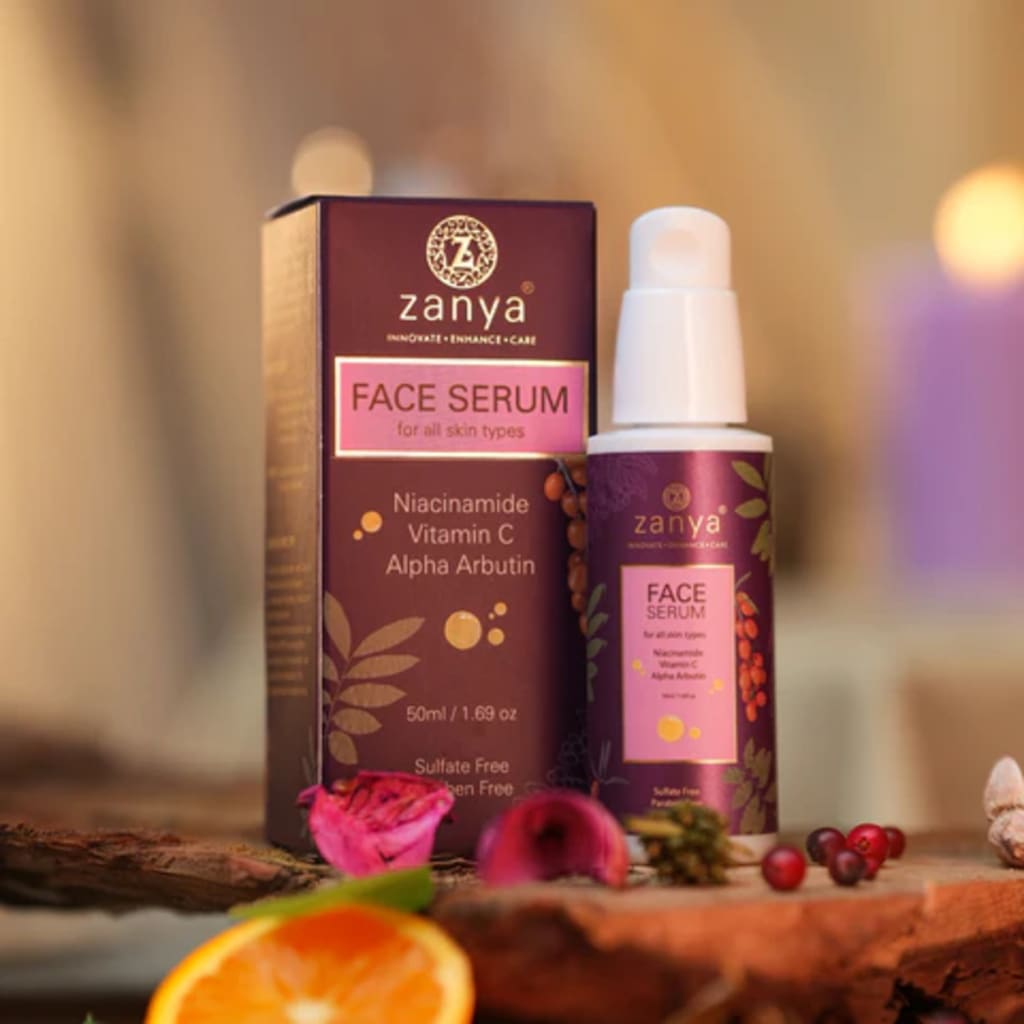
In the world of skincare, few ingredients have earned as much recognition and praise as vitamin C. Known for its powerful antioxidant properties and skin-brightening abilities, vitamin C has become a staple in countless skincare routines around the globe. From reducing signs of aging to promoting a radiant complexion, the benefits of vitamin C for skin are both impressive and scientifically backed.
In this blog, we’ll explore how vitamin C works, why your skin needs it, and the many ways it can transform your complexion.
What is Vitamin C?
Vitamin C, also known as ascorbic acid, is a water-soluble vitamin essential for the growth and repair of tissues in the body. While it’s widely known for supporting the immune system and overall health, it’s equally crucial for maintaining healthy skin.
Since our body does not naturally produce vitamin C, we must obtain it through diet or topical skincare products. When applied directly to the skin, vitamin C can deliver targeted benefits more effectively.
Top Benefits of Vitamin C for Skin
1. Brightens Skin Tone
One of the most celebrated benefits of vitamin C for skin is its ability to brighten the complexion. Vitamin C inhibits melanin production in the skin, which helps to lighten hyperpigmentation and brown spots, even out skin tone, and enhance overall radiance.
2. Fights Free Radicals
Vitamin C is a potent antioxidant. It neutralizes free radicals—unstable molecules caused by sun exposure, pollution, and other environmental aggressors. By reducing oxidative stress, it helps prevent premature aging, dullness, and damage to skin cells.
3. Boosts Collagen Production
Collagen is a protein that keeps skin firm, smooth, and youthful. As we age, collagen production decreases, leading to wrinkles and sagging. Vitamin C plays a vital role in stimulating collagen synthesis, making the skin appear plumper and more youthful.
4. Reduces Hyperpigmentation
Sun damage, acne scars, and hormonal changes can cause dark spots or patches on the skin. Vitamin C helps fade these spots by interfering with melanin production, promoting a more uniform skin tone.
5. Improves Skin Texture
Consistent use of vitamin C can lead to smoother and softer skin. It helps promote cell turnover and gently exfoliates the skin, reducing the appearance of roughness or uneven texture.
6. Reduces Redness and Inflammation
Vitamin C has anti-inflammatory properties that help calm the skin and reduce redness. It is especially helpful for people with sensitive or acne-prone skin, as it helps soothe irritation while promoting healing.
7. Provides Sun Protection
While vitamin C is not a substitute for sunscreen, it enhances your skin’s natural protection against UV rays. It helps reduce the damage caused by sun exposure and can be used in combination with SPF for better protection.
8. Hydrates the Skin
Certain forms of vitamin C, such as magnesium ascorbyl phosphate, are known for their hydrating properties. They help retain moisture in the skin, keeping it plump and healthy.
How to Use Vitamin C in Your Skincare Routine
To experience the benefits of vitamin C for skin, you need to use it the right way:
1. Choose the Right Product
Vitamin C is available in several forms—serums, moisturizers, creams, and even masks. Serums are the most popular as they are concentrated and absorb deeply into the skin. Look for stabilized forms such as L-ascorbic acid or sodium ascorbyl phosphate.
2. Apply in the Morning
For best results, apply vitamin C serum in the morning after cleansing and toning, but before moisturizing and applying sunscreen. This allows it to act as a shield against environmental stressors throughout the day.
3. Use the Right Concentration
A concentration of 10–20% is generally considered effective for most skin types. Higher concentrations may be suitable for experienced users or those with specific skin concerns but may cause irritation for beginners.
4. Store Properly
Vitamin C is sensitive to light and air. Choose products in dark, airtight bottles and store them in a cool, dry place. If the serum turns brown or cloudy, it may have oxidized and lost its potency.
Side Effects and Precautions
Although the benefits of vitamin C for skin are numerous, it’s essential to take a few precautions:
- Patch Test First: Some individuals may experience redness, dryness, or tingling. Always do a patch test before using a new vitamin C product.
- Avoid Mixing With Certain Ingredients: Avoid combining vitamin C with retinol, benzoyl peroxide, or AHAs/BHAs in the same routine as they can cause irritation or reduce efficacy.
- Start Slowly: If you’re new to vitamin C, start with a lower concentration and gradually increase usage.
Natural Sources of Vitamin C
Apart from skincare products, you can also support your skin from within by eating foods rich in vitamin C:
- Citrus fruits (oranges, lemons, grapefruits)
- Berries (strawberries, blueberries)
- Kiwi
- Bell peppers
- Broccoli
- Spinach
A diet rich in vitamin C can complement your topical routine and promote overall skin health.
Who Should Use Vitamin C?
Vitamin C is suitable for most skin types, including:
- Dry skin: For hydration and smoothing texture.
- Oily skin: For brightening without clogging pores.
- Sensitive skin: For calming inflammation (though a patch test is essential).
- Aging skin: For reducing fine lines and improving elasticity.
- Acne-prone skin: For reducing post-acne marks and redness.
Regardless of age or skin concern, incorporating vitamin C into your skincare can be beneficial for long-term skin health.
Conclusion
From brightening and evening out skin tone to protecting against environmental damage, the benefits of vitamin C for skin are vast and well-documented. Whether you're targeting signs of aging, dullness, or dark spots, this powerhouse ingredient deserves a place in your daily routine.
Consistency is key. With the right product and proper application, vitamin C can help you achieve a healthy, glowing complexion that stands the test of time.
About the Creator
Keep reading
More stories from Mamta Yadav and writers in Journal and other communities.
Positive Energy Items for Home: Uplift Your Space with Harmony and Good Vibes
Your home is more than just a shelter—it’s your sanctuary, a space where peace, comfort, and energy flow matter deeply. Over time, people have turned to various practices and objects to enhance the vibe and energy within their living spaces. From ancient traditions like Feng Shui to modern wellness trends, there are countless positive energy items for home that help create an environment filled with calm, optimism, and well-being.
By Mamta Yadav8 months ago in Journal
How Python Developers Help Build Scalable and Reliable Applications
Imagine a startup whose app suddenly gains 100,000 users in a month. Traffic spikes, data inflates, and new features expand rapidly. Without a system designed for scale, performance slowdowns, security gaps, and crashes become almost inevitable.
By Casey Morgan4 days ago in Journal




Comments
There are no comments for this story
Be the first to respond and start the conversation.