
Australia Imported 2,400 Toads to Save Its Crops—Now 200 Million of Them are an Unstoppable Disaster
How a Well-Intended Solution Turned Into One of the Country’s Worst Ecological Nightmares

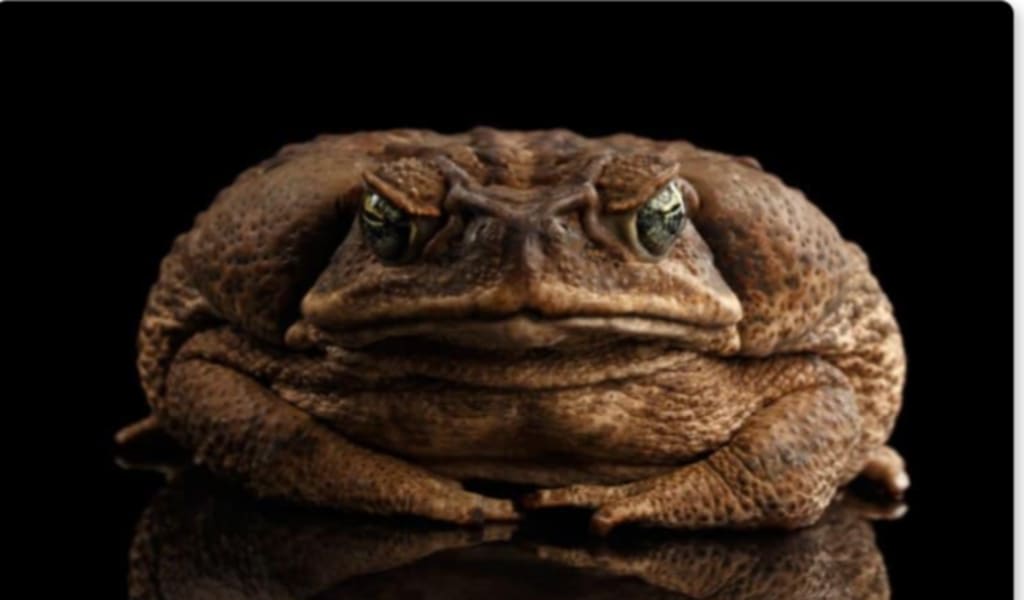
In 1935, Australia made a decision that would later be described as one of the most disastrous biological experiments in modern history. To protect sugarcane crops from destructive beetles, the government introduced 2,400 cane toads from Central and South America. The idea was simple: let nature handle the pests.
Nearly a century later, that small group of imported toads has multiplied into more than 200 million invasive creatures, spreading across vast regions of Australia and wreaking havoc on native wildlife. What began as an agricultural solution has become a cautionary tale of unintended consequences.
🌱 The Problem That Started It All
During the early 20th century, Australia’s sugarcane industry was struggling. Beetles known as cane beetles were damaging crops and threatening farmers’ livelihoods. Chemical pesticides were limited at the time, and scientists believed that introducing a natural predator would be the most effective and environmentally friendly solution.
Cane toads were chosen because they were known to eat insects and thrive in warm climates. Officials assumed the toads would hunt the beetles and restore balance to the ecosystem.
Unfortunately, that assumption turned out to be dangerously wrong.
🐸 A Solution That Didn’t Work
The cane toads did not control the beetle population as expected. Cane beetles lived high on sugarcane stalks, out of reach of the ground-dwelling toads. Instead of targeting pests, the toads found new food sources—native insects, small reptiles, and anything else they could swallow.
Even worse, cane toads had no natural predators in Australia. Native animals that tried to eat them, such as snakes, lizards, and crocodiles, were poisoned by the toads’ toxic skin.
What should have been a controlled biological tool quickly became an ecological threat.
📈 From Thousands to Hundreds of Millions
Cane toads reproduce rapidly. A single female can lay up to 30,000 eggs at a time, and they mature quickly. Over decades, their population exploded.
Today, cane toads have spread across Queensland, the Northern Territory, and parts of Western Australia. Scientists estimate their population now exceeds 200 million and continues to grow.
They thrive in urban areas, farms, wetlands, and forests, adapting easily to new environments and pushing native species out of their habitats.
💀 Impact on Native Wildlife
The damage caused by cane toads goes far beyond crop fields. Their toxic skin and glands have killed countless native predators that mistake them for food. Species such as quolls, goannas, freshwater crocodiles, and certain snakes have experienced sharp population declines.
Cane toads also compete with native animals for food and shelter, disrupting fragile ecosystems that evolved over millions of years without such an aggressive invader.
In some areas, entire food chains have been altered. The loss of predators has caused imbalances, allowing other invasive species to spread even further.
🏙 Not Just a Rural Problem
Cane toads are no longer confined to farms and forests. They have invaded suburban neighborhoods, parks, and even schoolyards. Residents often find dozens of them gathered near lights at night, feeding on insects.
They clog drainage systems, contaminate water sources, and pose risks to pets. Dogs that bite or lick cane toads can become seriously ill or die from exposure to their toxins.
For many Australians, the cane toad is no longer just an environmental issue—it’s a daily nuisance and public safety concern.
🧪 Attempts to Control the Invasion
Over the years, scientists and government agencies have tried numerous methods to control cane toad populations:
Physical removal programs, where volunteers collect and humanely euthanize toads
Biological research into viruses or genetic controls
Barriers and fencing to slow their spread
Public awareness campaigns to prevent accidental transportation
Despite these efforts, success has been limited. Cane toads are remarkably resilient and adaptable. Every solution seems to lag behind their rapid reproduction and expansion.
Some researchers now focus on helping native animals evolve resistance to cane toad toxins rather than trying to eliminate the toads entirely.
🌏 A Lesson for the World
Australia’s cane toad disaster has become a global warning about the dangers of introducing non-native species without fully understanding ecological consequences.
Similar mistakes have happened elsewhere—rabbits in Australia, kudzu in the United States, and invasive fish species in lakes and rivers around the world. Each case shows how human attempts to control nature can spiral out of control.
The cane toad story highlights the importance of scientific caution, long-term environmental planning, and respect for complex ecosystems.
🔮 Is There Any Hope?
While total eradication seems unlikely, there is still hope for mitigation. Advances in genetics, environmental science, and wildlife management could eventually slow their spread and reduce their impact.
Some native species have already begun adapting. Certain snakes and birds are learning to avoid cane toads or attack them safely. This suggests that nature may slowly rebalance itself—though the process could take decades.
In the meantime, communities continue working with scientists to manage populations and protect vulnerable species.
✨ Final Thoughts
What began with 2,400 imported toads meant to save crops has turned into one of the largest invasive species disasters in history. The cane toad invasion serves as a powerful reminder that even well-intended solutions can have catastrophic consequences when ecological systems are misunderstood.
Australia’s experience teaches the world an important lesson: nature is interconnected, and every action has ripple effects. When humans interfere without full knowledge, the results can be irreversible.
The cane toad may be unstoppable for now, but its story continues to shape environmental policies and scientific thinking worldwide. It stands as a symbol of why conservation, research, and caution must go hand in hand when dealing with the delicate balance of life on Earth.
About the Creator
Sajida Sikandar
Hi, I’m Sajida Sikandar, a passionate blogger with 3 years of experience in crafting engaging and insightful content. Join me as I share my thoughts, stories, and ideas on a variety of topics that matter to you.
Keep reading
More stories from Sajida Sikandar and writers in Journal and other communities.
Switzerland Joins France, the United Kingdom, Spain, Germany, Denmark, and Other European Countries in Propelling US Tourism Freefall with a Record Decline in Tourist Arrivals in California Last Year: Everything You Need to Know
Tourism in the United States faced a major setback last year, especially in California — one of the country’s most iconic travel destinations. Several European countries, including Switzerland, France, the United Kingdom, Spain, Germany, and Denmark, recorded a sharp decline in travel to the U.S., contributing to what experts are calling a tourism freefall.
By Sajida Sikandarabout 8 hours ago in Journal
~ Fired ~
— Ai Intrusion ~ Are you Next ~ Is Ai Evolution after your job? — Few workplaces haven't been affected. Ai is in supermarkets, at doctors' offices, and even monitoring farms. I just can't think of anything this machine is not getting into, can you? For instance: Education ~ Law and Tech jobs will one day have a major influence or be taken over by these inanimate machines, with accuracy and vigor. From mechanics' diagnoses to a wide variety of everyday jobs, including fast food workers, with this input having the ability to cut their unnecessary work hours. I'm certain all of us have been touched by this with our short stories and colorful headings, have you? Even comments are very questionable 'Non-Robot' insertions.
By Jay Kantor7 days ago in Journal


Comments
There are no comments for this story
Be the first to respond and start the conversation.