
At Least Nine People Killed After UPS Cargo Plane Crashes in Kentucky
Tragic crash raises new questions about aviation safety and cargo flight operations in the U.S.

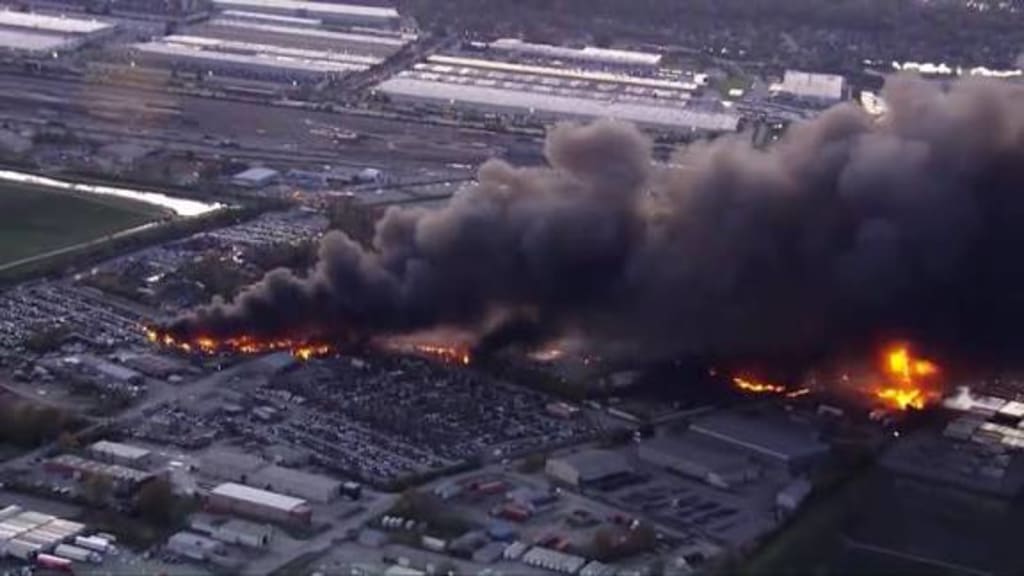
A tragic aviation disaster struck Kentucky when a UPS cargo plane crashed, killing at least nine people, including crew members and ground staff. The accident has shocked the aviation community and the public, reigniting concerns over cargo flight safety, maintenance procedures, and the pressure placed on logistics workers. The crash occurred near a small residential area outside Louisville, one of UPS’s main air hubs, turning a calm night into a scene of devastation.
While investigators are still piecing together the details, early reports suggest the aircraft experienced technical difficulties shortly after takeoff. The tragedy has prompted renewed calls for stronger safety measures for cargo operators, who often face different challenges than passenger airlines.
---
The Tragic Night in Kentucky
The UPS cargo plane, identified as a Boeing 767 freighter, departed Louisville International Airport just after midnight. Minutes later, local residents reported hearing a loud explosion followed by flames lighting up the sky. Emergency crews rushed to the scene, finding wreckage scattered across a wide area and fires burning through nearby fields and buildings.
Witnesses described the terrifying moments vividly. “It sounded like thunder, then the whole house shook,” said one local resident. “We ran outside and saw the fire in the distance—it was like daylight for a few seconds.”
Authorities confirmed that nine people lost their lives, including the two pilots and several ground personnel who were working near the crash site. UPS quickly released a statement expressing deep sorrow for the victims and their families, saying, “We are heartbroken by this tragedy. The safety of our employees and communities is our top priority.”
---
What We Know So Far
The National Transportation Safety Board (NTSB) has launched a full investigation into the crash, with a team of experts sent to analyze the wreckage and recover the flight data recorders (often called “black boxes”). These devices will be critical in determining what caused the aircraft to go down so suddenly.
Preliminary findings indicate that the plane may have suffered engine failure during its initial climb. Radio transmissions between the pilots and air traffic control captured moments of distress before the crash, with one pilot reportedly saying, “We’re losing thrust.”
Weather conditions were reportedly clear at the time of the incident, ruling out storms or lightning as possible causes. Investigators are now focusing on mechanical malfunction, fuel system issues, or maintenance errors as potential factors.
---
The Role of Cargo Flights in Modern Aviation
While passenger aviation often dominates headlines, cargo flights are the backbone of global commerce. Companies like UPS, FedEx, and DHL operate thousands of flights daily, transporting everything from food and electronics to life-saving medical supplies.
However, cargo pilots and aircraft often face harsher schedules and heavier loads than their passenger counterparts. Flights frequently take place overnight, with quick turnaround times and tight delivery deadlines. Aviation analysts have noted that cargo operations sometimes lag behind passenger airlines in safety oversight, especially regarding fatigue management and aircraft maintenance.
This crash highlights the invisible challenges faced by cargo flight crews—long hours, minimal rest, and high-stress working conditions. Many in the aviation industry are calling for equal safety standards and better working conditions for cargo operators.
---
Reactions Across the Industry
News of the crash sent shockwaves through both the aviation and logistics sectors. UPS suspended operations briefly at the affected hub to support the investigation and provide counseling to employees. Airline pilot unions expressed condolences while also urging authorities to examine whether maintenance schedules and safety checks are being rushed due to the surge in global shipping demand.
Kentucky Governor Andy Beshear offered his condolences, stating, “This is a dark day for Kentucky. Our hearts go out to the families of those who lost their lives. We will work with federal investigators to ensure that we learn from this tragedy.”
On social media, tributes poured in for the victims, many of whom were described as hardworking professionals committed to keeping goods moving across the country.
---
Lessons from Past Crashes
Unfortunately, this is not the first fatal cargo plane crash in the United States. In 2010, another UPS flight crashed in Dubai due to a cargo fire, killing both pilots. In 2013, a UPS Airbus A300 crashed in Birmingham, Alabama, after descending too steeply on approach. Both incidents led to new safety recommendations—but implementation has been slow in some areas.
Experts believe this latest tragedy will once again push for reforms, especially regarding aircraft maintenance and pilot fatigue. “Every crash tells a story we must learn from,” said an aviation safety consultant. “Cargo flight safety deserves the same level of attention as passenger operations.”
---
A Call for Accountability and Change
The Kentucky crash is a grim reminder of the fragility of safety systems in modern aviation. While flying remains statistically the safest form of transport, each accident exposes weaknesses that must be addressed. The families of the victims, along with the public, deserve clear answers and visible improvements.
There is also a moral responsibility on large corporations to balance profit with safety. The logistics industry has grown rapidly with the rise of online shopping and global trade. But that growth must not come at the cost of the people who make it possible—pilots, engineers, and ground crews.
---
Remembering the Victims
As rescue and recovery operations continue, Kentucky mourns the loss of nine lives taken too soon. Memorials have begun forming near the crash site, with residents leaving flowers, candles, and handwritten notes. One note read simply: “You kept the world moving. Rest in peace.”
The story of this tragedy will continue to unfold as investigators reveal more details. But beyond the technical reports and headlines, the human cost remains the most powerful reminder. Each of the nine people killed had families, dreams, and hopes for the future—all cut short in an instant.
---
Conclusion
The UPS cargo plane crash in Kentucky is more than just another aviation disaster—it’s a wake-up call. It highlights the need for better safety oversight, stronger maintenance protocols, and respect for the unseen workforce that keeps our world connected.
As investigators work to uncover the truth, the hope is that their findings will lead to meaningful change, ensuring that such tragedies become ever rarer in the skies.
About the Creator
Fiaz Ahmed
I am Fiaz Ahmed. I am a passionate writer. I love covering trending topics and breaking news. With a sharp eye for what’s happening around the world, and crafts timely and engaging stories that keep readers informed and updated.
Keep reading
More stories from Fiaz Ahmed and writers in Journal and other communities.
Trump Says He Doubts US Will Go to War With Venezuela
In a recent statement that stirred international attention, former U.S. President Donald Trump said he doubts the United States will go to war with Venezuela. His comments came during a political rally, where he addressed ongoing debates about foreign intervention, oil politics, and America’s global military role.
By Fiaz Ahmed 4 months ago in Journal
Author’s Advice
If you would’ve asked me 20 years ago did I know I’d become a writer and an author, I would’ve said “nope, ain’t happening”. As fate would have it I did become an author and I can honestly say I’m loving it so far. It really does feel good to be a writer. I’ve learned a lot on this journey and I feel like with even me being as new to this world as I am, there’s some wisdom I need to share with every other aspiring author.
By Joe Patterson4 days ago in Journal
Why It’s So Hard for Gen Z to Buy a Home — And Whether It Will Ever Change
For decades, owning a home has been considered one of the most important steps toward financial stability in the United States. Previous generations often purchased their first home in their twenties or early thirties, using it as a foundation for building long-term wealth.
By Navigating the World2 days ago in Journal




Comments
There are no comments for this story
Be the first to respond and start the conversation.