
Asia Pacific Milk Powder Market Set to Soar: Forecast 2025–2033
Rising urbanization, increasing infant population, e-commerce expansion, and health-conscious consumer trends drive milk powder demand across Asia Pacific.

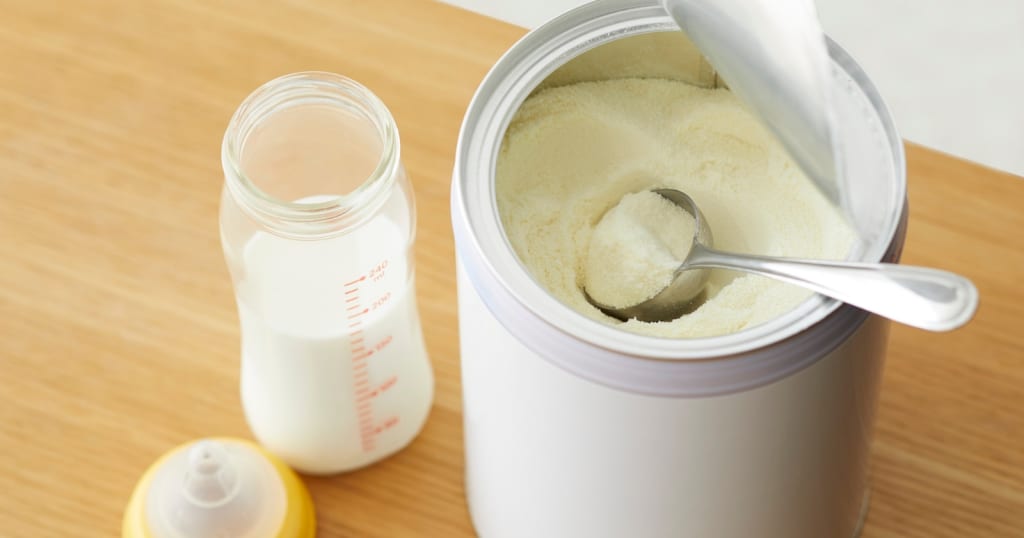
Overview of the Asia Pacific Milk Powder Market
According to Renub Research Recent Report Asia Pacific Milk Powder Market is projected to reach US$ 18.25 billion by 2033, growing from US$ 11.54 billion in 2024, at a CAGR of 5.22% during 2025–2033. Milk powder, also known as powdered milk, is produced by evaporating water content from liquid milk, preserving most proteins, calcium, and essential vitamins. Its long shelf life, ease of storage, and transportability make it ideal for regions with limited refrigeration infrastructure.
Milk powder finds applications across infant formulas, nutritional food, baked goods, confectionery, and processed foods, particularly in emerging economies where dairy supply chains are still developing. Rising health consciousness, coupled with changing dietary habits and a growing demand for convenient dairy alternatives, has contributed significantly to market growth.
The region’s economic growth and urbanization are boosting disposable incomes, allowing consumers to invest in premium and fortified milk powders. Countries such as China, India, and Japan are leading contributors to regional market expansion, with increasing adoption of e-commerce and modern retail channels further enhancing product accessibility.
1. Convenience and Extended Shelf Life
Milk powder’s long shelf life and lack of refrigeration requirement make it a practical choice for households and businesses. In developing regions, limited cold-chain infrastructure often makes fresh milk difficult to store or transport. Milk powder addresses this challenge, reducing waste due to spoilage while enabling broader distribution.
Its versatility in infant formulas, nutritional supplements, and culinary applications further strengthens its position. With urbanization and busier lifestyles, consumers are seeking convenient yet nutritious alternatives, positioning milk powder as a preferred dairy option across Asia Pacific.
2. Growing Infant Population
The rising number of infants in populous countries like China and India is a major demand driver. Milk powder forms the core component of infant nutrition, providing a safe, fortified alternative to fresh milk. According to the National Bureau of Statistics of China, the birth rate in 2024 reached 6.77 per 1,000, signaling an increased demand for infant-oriented dairy products.
Parents are increasingly prioritizing high-quality and fortified milk powders, promoting better child health and nutrition. This trend, combined with government initiatives in maternal and child nutrition, is expected to sustain robust market growth.
3. E-Commerce and Modern Retail Expansion
E-commerce penetration and modern retail growth are reshaping milk powder distribution. Online platforms offer convenience, home delivery, discounts, and access to a wide range of domestic and imported brands.
Simultaneously, supermarkets, hypermarkets, and specialty stores are expanding shelf space, boosting brand visibility and promoting premium products. The convergence of e-commerce and modern retail enables producers to target both urban and rural consumers, accelerating market expansion across Asia Pacific.
Market Challenges
1. Fluctuating Raw Material Prices
Milk powder production is sensitive to raw material costs, primarily fresh milk. Factors such as weather conditions, feed prices, and disease outbreaks in dairy farms can lead to price volatility, affecting both manufacturers and consumers. Such fluctuations create uncertainty in long-term pricing strategies and may impact profitability for producers.
2. Competition and Brand Differentiation
The Asia Pacific milk powder market is highly competitive, with both domestic and international players vying for market share. New entrants intensify price wars, narrow profit margins, and challenge established brands. Companies must continuously innovate, enhance quality, and invest in marketing to retain consumer loyalty.
3. Skin Sensitivity Concerns
Increased consumer awareness of allergies and lactose intolerance has led to demand for specialized formulations, such as low-lactose, hypoallergenic, or plant-based milk powders. Brands need to invest in research and product development to address these sensitivities, creating additional cost and regulatory challenges.
Country-wise Analysis
China
China is the largest milk powder market in the region, driven by urbanization, health-conscious middle-aged consumers, and an increasing focus on infant nutrition. Companies such as Junlebao have launched products like Le Gai, fortified with double the calcium content for adult and elderly nutrition. E-commerce platforms, cold-chain infrastructure, and innovative product development continue to fuel growth.
India
India’s milk powder market is expanding steadily, supported by rising disposable incomes, growing health awareness, and increasing demand in both urban and rural areas. Amul’s investment of INR 415 crore in new milk powder production facilities highlights the region's focus on meeting domestic and international demand. The country's large infant population further sustains demand for fortified and nutritional milk powders.
Japan
Japan exhibits a steady milk powder market, with fortified formulations targeting senior citizens and health-conscious consumers. Innovations include probiotic-enriched milk powders and adult nutrition variants. Online retail growth and urban convenience are driving adoption, making Japan a crucial market for premium and specialized products.
Other Key Countries
South Korea: Rising demand for functional and fortified dairy products, supported by urbanization and modern retail.
Thailand & Malaysia: Expanding middle class and increased adoption of fortified milk powders in infant nutrition.
Australia & New Zealand: Strong dairy production, with a focus on exports to Asia.
Indonesia: Growing urban population and increased health awareness drive demand for premium milk powders.
👉 For deeper analysis, detailed segment data, and company insights: 🔗 Request Customization Report
By Type:
Whole
Skimmed
Dairy Whitener
Buttermilk
Fat-Filled
Others
By Application:
Nutritional Food
Infant Formulas
Confectionaries
Baked Sweets
Savories
Others
By Country:
China, Japan, India, South Korea, Thailand, Malaysia, Indonesia, Australia, New Zealand, Rest of Asia Pacific
Competitive Landscape
Major players in the Asia Pacific Milk Powder Market include:
Nestle SA – Global leader with diversified product offerings across infant and adult nutrition.
China Mengniu Dairy Company Limited – Key domestic player in fortified and infant formulas.
Fonterra Co-Operative Group Ltd – Strong presence in New Zealand exports and premium milk powders.
Hatsun Agro Product Ltd – Dominant in Indian milk powder manufacturing and distribution.
Saputo Inc., Arla Foods, Royal FrieslandCampina N.V., Ausnutria Dairy Corp Ltd – Competing with innovations in nutrition, convenience, and health-focused products.
These players leverage R&D, brand marketing, and distribution networks to maintain market share, while also targeting regional preferences and health trends.
Future Outlook
The Asia Pacific Milk Powder Market is poised for sustained growth over the forecast period, driven by:
Rising urbanization and disposable incomes leading to higher demand for convenient and premium dairy products.
Expansion of e-commerce and modern retail channels, increasing accessibility to fortified and specialized milk powders.
Growing health and nutrition awareness, including demand for adult and infant nutrition products.
Innovations in fortified, functional, and specialty milk powders, catering to niche demographics.
While challenges such as raw material price volatility, intense competition, and skin sensitivity concerns persist, regional growth remains strong. Key markets like China, India, and Japan will continue to dominate, while emerging economies in Southeast Asia present significant opportunities for market expansion.
Conclusion:
The Asia Pacific Milk Powder Market is on a robust growth trajectory, fueled by convenience, health consciousness, infant nutrition demand, and expanding retail channels. Strategic investments in product innovation, fortified formulations, and efficient distribution will be critical for companies seeking long-term success. With rising consumer awareness and evolving dietary patterns, milk powder is set to remain a staple in Asia Pacific households and industries for years to come.
Note: If you need details, data, or insights not covered in this report, we are glad to assist. Through our customization service, we will collect and deliver the information you require, tailored to your specific needs. Share your requirements with us, and we will update the report to align with your expectations.
About the Creator
Diya Dey
Market Analyst
3D Printed Gold: When Technology Redesigns a Love Story
The first time someone showed a 3D printed gold ring on a screen, it didn’t look like jewellery at all. It looked like a tiny, impossible sculpture: delicate honeycomb structures, curves that seemed to float, shapes that would snap under a traditional file or saw. Yet there it was — solid gold, perfectly polished, ready to be worn.
By Md Mehedi Hasan Rifada day ago in Journal
Violence Begets
"Any last words, cowboy?" "None you'd understand, sodbuster." "Funny. That's Marshall Sodbuster to you. But I meant some last nugget that would help us in the adjudication of the myriad offenses counted against you and your gang. I wasn't asking for penitence."
By Adam Diehl4 days ago in Fiction


Comments
There are no comments for this story
Be the first to respond and start the conversation.