
Architectural Design Trends That Could Blow Up By 2025
Architectural Design Trends

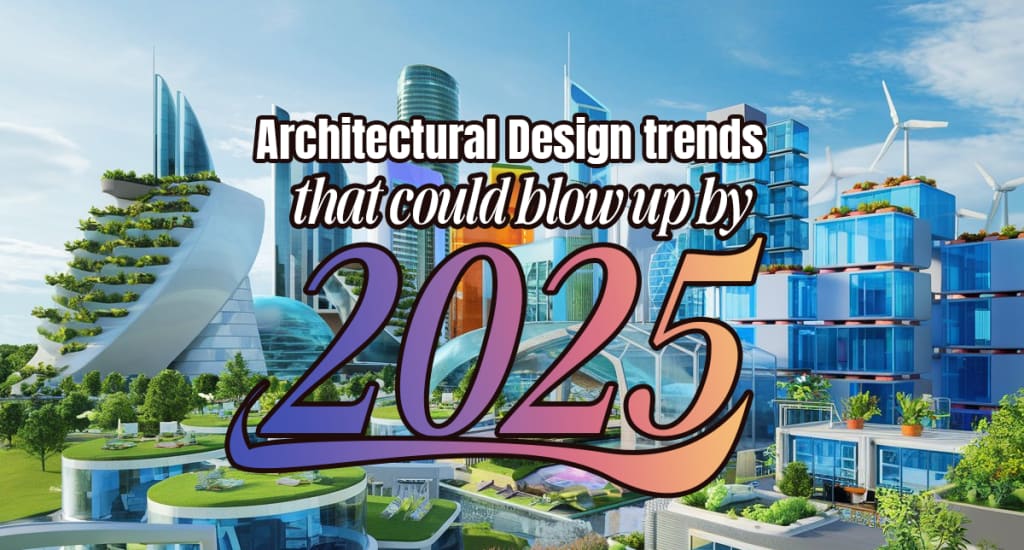
The world is changing, and so are the architectural and construction practices too. As the growing volume is signifying the need of architectural design, it should be attained with latest happenings in mind. Designers anticipate a promising 2025, with new trends to meet evolving homeowner preferences. This article explores the top architectural design trends for 2025.
- Intelligent Homes
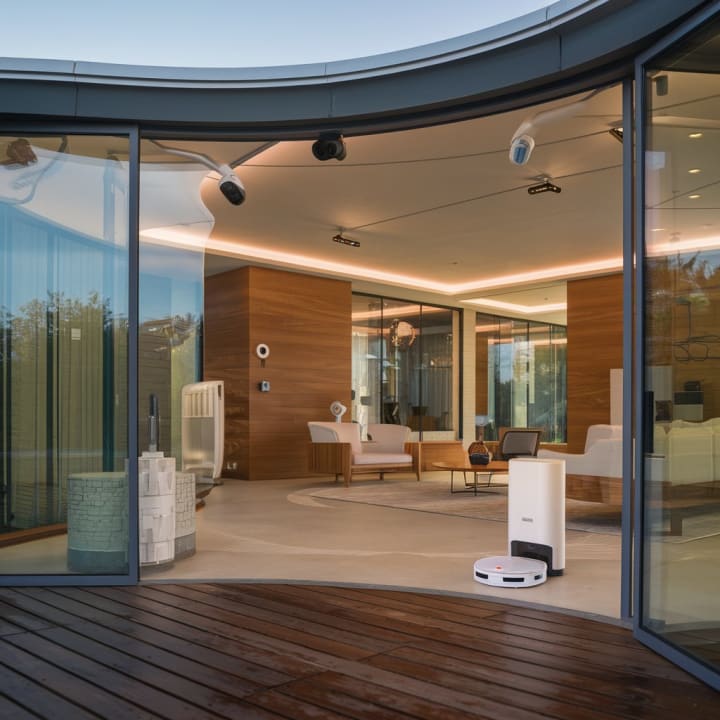
Smart tech integration is one unavoidable future for your homes. An intelligent or smart home uses internet-connected gadgets to remotely monitor and manage appliances. From the service provider’s POV, customer usage data generated because of smart homes could allow corporations to be more specific to homeowner preferences. For end-users, advanced technology integration enables seamless control of household functions. All assistants and IoT devices will make residences more efficient and convenient by adapting to their residents' needs in real-time.
- Multi-Functional Spaces
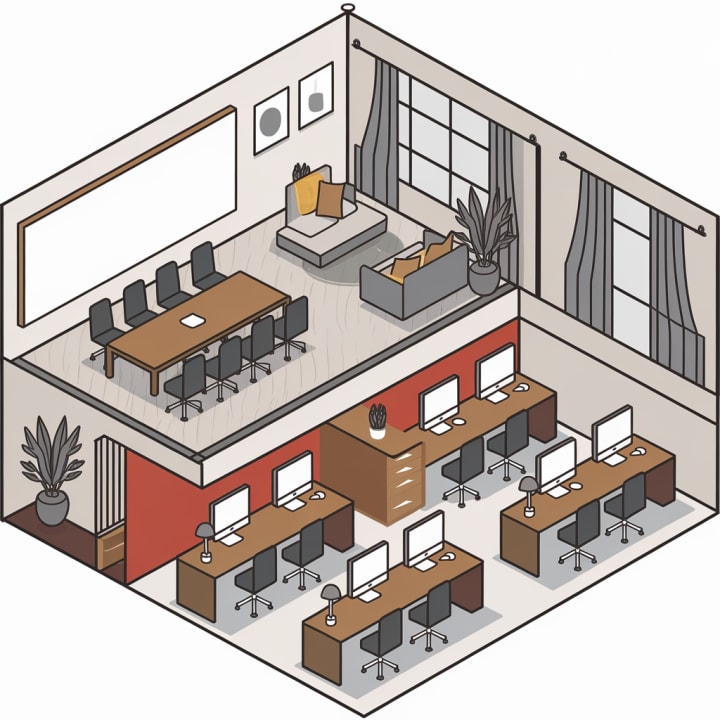
COVID-19 completely shattered the concept of single-utility spaces. Hotels went to hospitals, and offices were utilized as medical aid buildings. And therefore, for unprecedented situations like these, we need the flexible layouting approach - flexible layouts that fulfill various functions while adjusting to the changing needs.
One example could be rooms that can easily transition from workstations to recreational areas. In recent times, it has been observed that people are increasingly interested in multi-functional places as they try to make the most of their living spaces.
- An office space well integrated into your home
- A lucrative combination of a nursery and a playroom.
- Open kitchen islands as dining tables.
- Age-Inclusive Designs

Natural Light Optimization

Conventionally, an architect is supposed to amplify the natural source of lighting in his or her design output. This is due to the fact that it puts fewer burdens on resources utilized for running the designed facility. However, the design strategy can go beyond careful planning and use of exterior materials too.
Mirrors, numerous light sources, and light-filtering draperies can all help to increase natural light in a room. Glazed windows and floor-length drapes offer privacy. Textural textures and matte/gloss coatings improve light reflection. Choose fixtures that complement natural lighting.
Seamless Indoor and Outdoor Integration
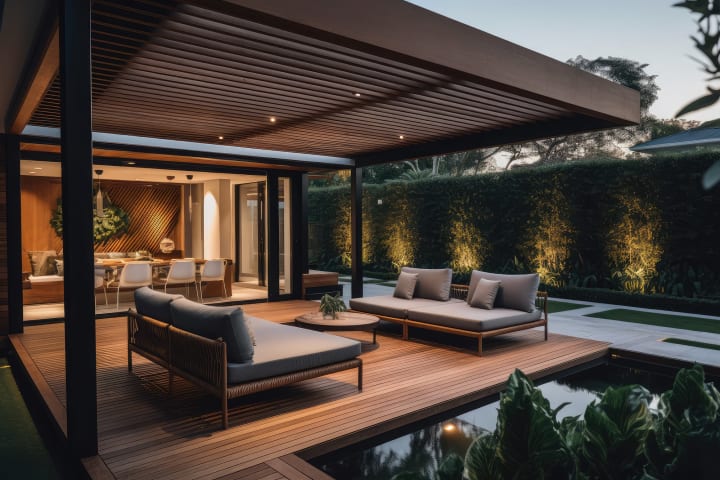
Seamless transitions between indoor and outdoor areas with open floor plans and outdoor living spaces. Creating a harmonious connection with nature while expanding usable living space. Same as one of the pointers mentioned above, maximizing natural light could be the primary way ahead. Then the follow-up should be about -
- Harmonizing surface materials and textures
- Creating a seamless transition zone
- Incorporating biophilic design elements
The intention should be to blur the boundaries between spaces, enhancing daily living experiences by embracing nature.
Eco-Conscious Styling
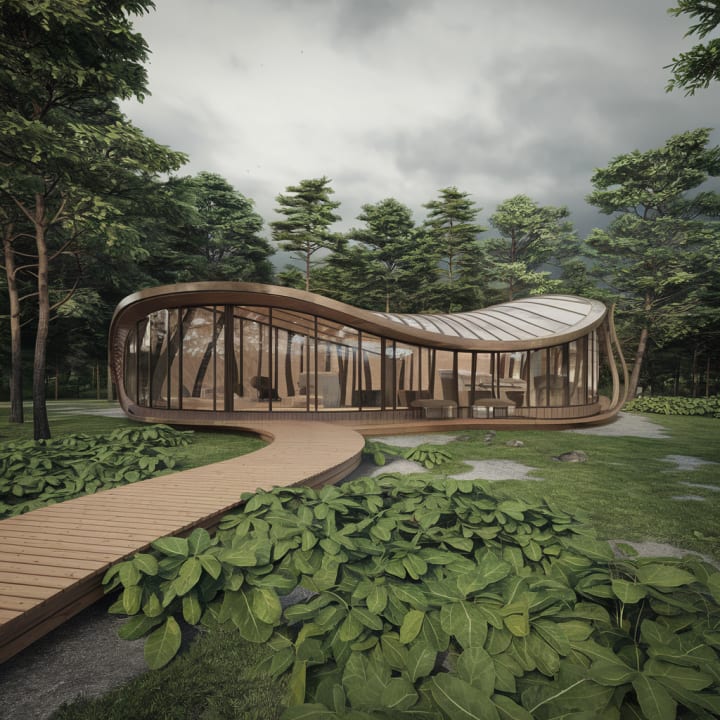
Sustainability is the need of the hour in today’s time of evident climate changes. Therefore, every architect should now be a concerned design advocate, advocating the eco-friendly lifestyle through their design outputs. The eco-conscious architecture approach should be about integrating the following -
- Incorporation of landscape elements, especially green roofs
- Carefully thought of fenestration elements
- On-site energy generation provision
- Energy-efficient appliances
- Sustainable building materials with longer lifespan
However, there is a sense of misconception in the market regarding sustainability. Your facility’s and site’s context is very important to effectively establish sustainable development practices. Consider critical parameters like embodied energy to examine your change. And one more thing is to note compromise with high-quality materials promoting premiumness, sustainability, and resilience.
Further Reading
https://medium.com/@andrewssophia262/comprehensive-guide-on-commercial-architecture-design-32e177bc4931
About the Creator
Sophia Andrews
Hello, I am Sophia Andrew , and I work as a BIM and Lidar Consultant for AEC industry. My work deals with comprehensive BIM solutions.
Keep reading
More stories from Sophia Andrews and writers in Journal and other communities.
How is AI transforming your BIM workflow?
Artificial intelligence (AI) technology integration has transformed almost every industry in recent years. BIM is also not left untouched. When combined with AI capabilities, BIM, a digital depiction of a building's functional and physical qualities, has significantly enhanced the client experience. We'll examine how AI is enhancing the BIM process for AEC projects in this post.
By Sophia Andrews2 years ago in Education
The goals I did not achieve
Every writing goal I made for the year is a wash. It has been this way for a while, but I think it's important to be open about my failures and the reality of how life can get in the way. This is especially true considering the several times I have posted on Vocal about my writing goals, how I was changing my approach, and where I was hoping to be for the upcoming year. I will probably do that again in a couple months, but for now, it is time to acknowledge where I am today.
By Kay Husnick23 days ago in Journal
When You Want to Pray but Do Not Know What to Say
One of the quiet struggles many people experience in their faith is not doubt, but silence. Not God’s silence, but our own. There are moments when we sit down to pray and realize we have no words. No polished thoughts. No clear requests. Just a sense of heaviness, confusion, or fatigue. It can feel like prayer requires language we do not possess.
By Sound and Spirita day ago in Journal


Comments
There are no comments for this story
Be the first to respond and start the conversation.