
Aquafeed Additives Market: Top Trends and Innovations Boosting Expansion
Key Innovations and Trends Shaping the Growth of the Aquafeed Additives Market
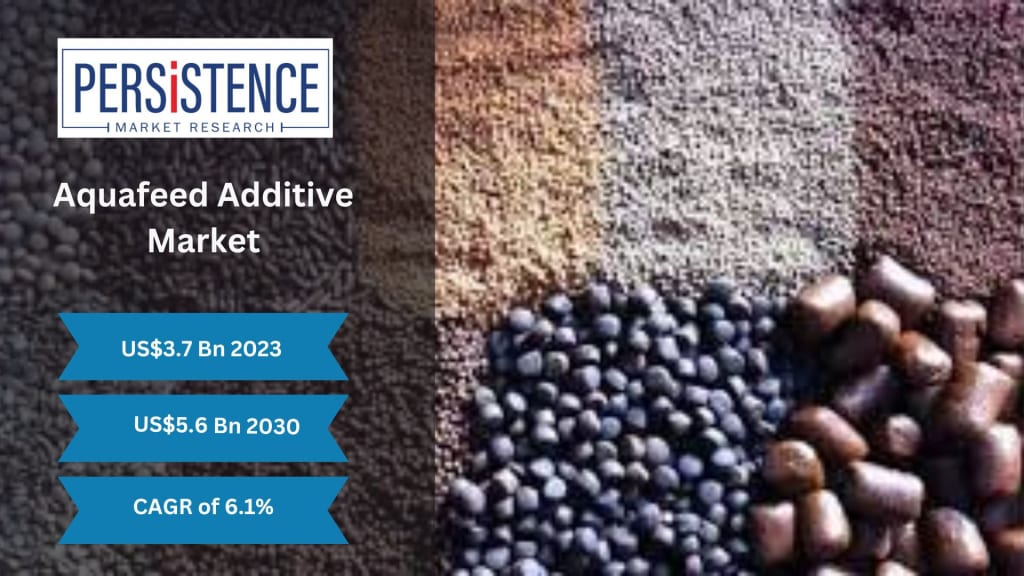
The global aquafeed additives market is experiencing robust growth, driven by the increasing demand for high-quality feed ingredients that enhance the health, productivity, and sustainability of aquaculture operations. As aquaculture continues to expand due to the rising demand for fish and other aquatic animals, the role of additives in aquafeeds becomes increasingly critical. The global aquafeed additives market is forecast to expand at a CAGR of 6.1% and thereby increase from a value of US$3.7 Bn in 2023, to US$5.6 Bn by the end of 2030. These additives not only improve feed efficiency but also contribute to the health of aquatic animals and the overall sustainability of the industry.
In this article, we explore the key trends and innovations that are boosting the growth of the aquafeed additives market.
1. Rising Demand for Sustainable Aquaculture Practices
Sustainability is a significant driver of change in the aquafeed additives market. With growing concerns over the environmental impact of traditional feed sources, the focus is shifting towards sustainable, eco-friendly alternatives. Aquaculture has become one of the most efficient ways of producing protein, and its expansion requires innovations that reduce environmental footprints.
Aquafeed additives such as plant-based protein sources, algae-derived ingredients, and probiotics are gaining popularity due to their ability to enhance sustainability. These ingredients not only promote the health of aquatic animals but also reduce reliance on fishmeal and other resource-intensive ingredients. This shift towards more sustainable practices is expected to continue driving demand for such additives.
2. Probiotics and Prebiotics: The Future of Aquafeed
Probiotics and prebiotics are emerging as key ingredients in aquafeeds due to their ability to improve gut health, enhance digestion, and boost immunity in aquatic animals. Probiotics, which are live microorganisms, help maintain a healthy balance of gut bacteria, improving the absorption of nutrients and overall growth rates. Prebiotics, on the other hand, serve as food for beneficial bacteria, supporting the growth of these microorganisms.
The use of probiotics and prebiotics in aquafeed is not only improving the health of fish and shrimp but also reducing the need for antibiotics, addressing one of the major challenges in aquaculture. This trend is expected to continue, with more research into new strains and applications of these ingredients to maximize their benefits for aquatic animals.
3. Increased Focus on Fish Health and Disease Prevention
As diseases remain a major challenge in aquaculture, there is an increased emphasis on additives that promote fish health and prevent diseases. Additives such as immunostimulants, antioxidants, and functional lipids are becoming integral in aquafeeds to boost the immune systems of aquatic animals, improving their resistance to pathogens and diseases.
For instance, the use of plant-derived antioxidants, such as polyphenols and flavonoids, in aquafeeds has shown promise in improving the oxidative stability of fish and shrimp, thus enhancing their overall health. Moreover, functional lipids like omega-3 fatty acids are not only beneficial for the health of aquatic animals but also contribute to the nutritional value of the seafood, which is increasingly demanded by consumers.
4. Technological Advancements in Additive Formulation
Technological advancements are transforming the formulation of aquafeed additives, making them more effective and efficient. The development of novel delivery systems, such as microencapsulation, is improving the bioavailability of nutrients and additives, ensuring that they reach the target areas in the digestive tract of aquatic animals.
Additionally, the integration of artificial intelligence (AI) and data analytics in feed formulation is enabling producers to create more precise and tailored feed products. These technologies allow for the optimization of ingredient combinations based on the specific needs of different species, ensuring that aquafeed additives are used in the most effective way possible.
5. Expansion of Alternative Protein Sources
The rising costs of fishmeal and the environmental impact of overfishing have driven the search for alternative protein sources in aquafeed. Ingredients such as insect meal, algae, single-cell proteins, and plant-based proteins are gaining traction as sustainable and cost-effective alternatives.
Insects, such as black soldier flies and mealworms, are rich in protein and other essential nutrients, making them an attractive option for aquafeed. These protein-rich insects can be farmed in a highly sustainable manner, reducing the environmental impact compared to traditional feed ingredients. Algae, too, is a promising source of protein, as well as essential fatty acids and minerals.
6. Shift Towards Functional Additives
Functional additives are playing an increasingly important role in the aquafeed industry. These additives provide additional benefits beyond basic nutrition, including improved digestion, disease resistance, and enhanced growth rates. Enzymes, amino acids, and fatty acids are among the most widely used functional additives in aquaculture.
For instance, enzymes are used to improve the digestibility of feed, particularly plant-based proteins, while amino acids ensure optimal protein synthesis in aquatic animals. Fatty acids, especially omega-3s, are vital for the development and growth of fish and contribute to their nutritional profile. These additives are vital in improving feed efficiency and ensuring the long-term health and productivity of aquaculture operations.
7. Regulatory Support and Innovations
Governments and regulatory bodies are increasingly recognizing the importance of aquaculture in global food security and the need for innovative solutions to make it more sustainable. Many countries are offering subsidies and grants to support the development of aquafeed additives that promote sustainability and animal health.
Moreover, regulatory frameworks are evolving to include stricter quality and safety standards for aquafeed ingredients. This has led to innovations in the aquafeed additives market, as companies are investing in research and development to create new, compliant, and sustainable additives.
Conclusion: The Future of Aquafeed Additives
The aquafeed additives market is poised for significant growth in the coming years, driven by the need for sustainable, high-quality feed solutions that enhance the health and productivity of aquatic animals. Probiotics, prebiotics, alternative protein sources, and functional additives are set to play a crucial role in shaping the future of aquaculture.
Technological innovations, coupled with increased focus on sustainability and fish health, are creating a dynamic and evolving market for aquafeed additives. As the demand for seafood continues to rise, the industry will continue to rely on these innovations to meet global food security challenges, ensuring a healthy, sustainable, and thriving aquaculture sector.


Comments
There are no comments for this story
Be the first to respond and start the conversation.