
Aquaculture Market Size, Share, Trends & Future Growth Opportunities
Discover aquaculture’s growing market size, trends, fish types, regions, and future opportunities. Learn how this sector redefines sustainability and food security.

Understanding the Aquaculture Market
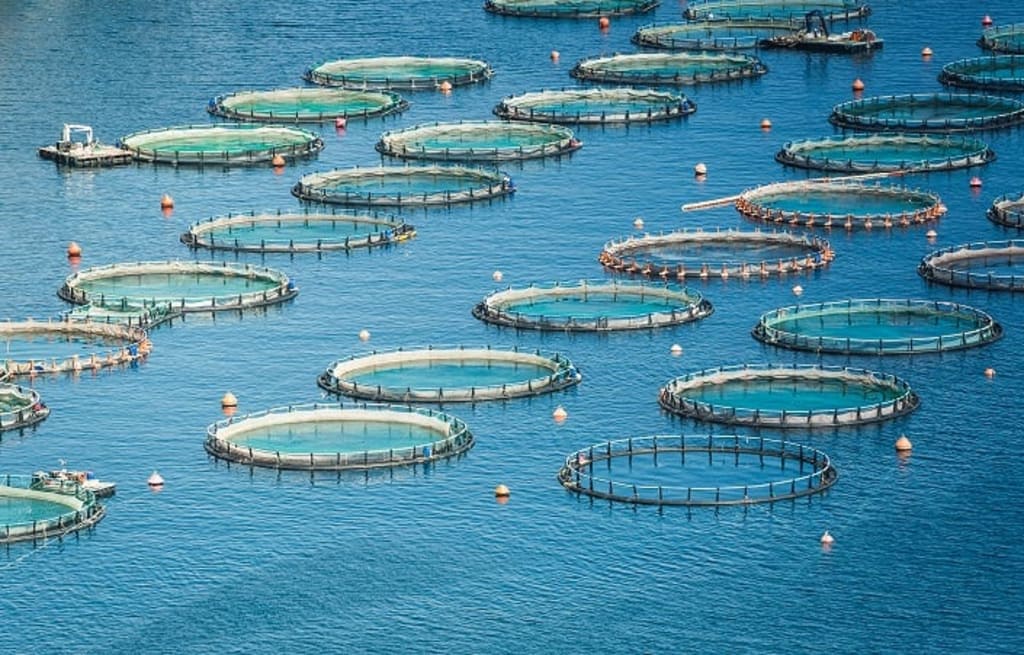
Aquaculture, often referred to as fish farming, plays a crucial role in providing sustainable sources of seafood and aquatic products to meet the demands of a booming global population. Over the last few decades, it has emerged as one of the fastest-growing sectors in the global food industry. The practice involves the breeding, rearing, and harvesting of aquatic organisms, including fish, shellfish, and seaweed, in controlled environments. Unlike wild fisheries, aquaculture enables a consistent supply of high-quality food products while alleviating pressure on natural aquatic ecosystems.
The aquaculture market has seen exponential growth over recent years, driven by increasing seafood consumption, advancements in aquaculture technology, and the growing awareness around sustainable food sourcing. This market is multifaceted, encompassing various fish types, culture environments, distribution channels, and regions, each contributing uniquely to its expansion.
This article examines the current market size and share of aquaculture, identifies prevailing trends, and forecasts the industry's growth trajectory based on fish type, environment, distribution channels, and geographical regions. We will also discuss the future growth opportunities in this essential global industry.
Current Market Overview
Market Size and Share
As per the latest data released by the IMARC Group, The global aquaculture market size was valued at 82.8 Million Tons in 2024., is projected to reach 122.9 million tons by 2033, with a CAGR of 4.03% from 2025 to 2033. This growth trajectory highlights increasing demand for aquatic proteins and the necessity of sustainable food systems in a rapidly urbanizing world.
Developing nations, particularly in Asia-Pacific regions, dominate the aquaculture market, contributing over 80% of global production. Countries such as China, India, Indonesia, and Vietnam serve as key players, with China alone accounting for over half of the overall market share. These regions benefit from favorable climatic conditions, a large workforce, and government policies promoting aquaculture as an industry.
High-income nations like the United States, Canada, and countries in Europe also play a significant role but lean more toward value-added products, technological innovation, and eco-friendly aquaculture practices. Collectively, these contributors shape a dynamic and growing market that satisfies global dietary demands.
Environmental and Economic Significance
Aquaculture is not only about feeding the world; it also provides significant environmental and economic benefits. By creating controlled aquaculture systems, the industry helps reduce overfishing in wild fish stocks, protect biodiversity, and regulate aquatic ecosystems. Economically, it provides millions of people with jobs and contributes substantially to GDPs in aquaculture-intensive regions.
Trends Shaping the Industry
Increased Demand for Protein and Seafood
The global population is expected to reach 9.7 billion by 2050, which will significantly increase the demand for protein sources. Seafood is increasingly celebrated for its nutritional value, including high-quality protein, omega-3 fatty acids, and essential vitamins. Health-conscious consumers are adding more seafood to their diets, spurring growth in aquaculture.
Technological Advancements and Innovations
Technological innovations, such as automated feeding systems, precision farming, and advanced water quality control methods, are revolutionizing aquaculture. The integration of artificial intelligence, IoT (Internet of Things), and data analytics allows farmers to monitor fish environments, optimize feed efficiency, and reduce waste. These innovations enhance productivity while ensuring better sustainability across the industry.
Diversification of Aquatic Species
The aquaculture market is no longer limited to traditional species like salmon, tilapia, and shrimp. Farmers and researchers are exploring the farming of diversified species such as mollusks, seaweed, and exotic fish varieties, which cater to niche markets and gourmet consumers. This diversification expands market share and addresses the need for ecological balance in aquaculture systems.
Sustainable and Eco-Friendly Practices
With growing concerns about climate change and environmental degradation, sustainability is a top priority. Many industry players now adhere to eco-friendly aquaculture practices, such as closed-loop systems, integrated multi-trophic aquaculture (IMTA), and reduced use of synthetic feed. Green certifications and ethical sourcing labels are becoming prevalent, further driving consumer confidence.
Expansion of Online Distribution Channels
The post-pandemic world has fast-tracked the digital transformation of supply chains and consumer interactions. Online platforms, direct-to-consumer models, and e-commerce marketplaces have become vital channels for delivering fresh and packaged aquaculture products. This evolution has propelled market penetration, reaching consumers in both urban and remote areas.
Key Segmentation Analysis
By Fish Type
Fish farming constitutes the majority of aquaculture activities, with salmon, tilapia, carp, catfish, trout, and shrimp being the most cultivated varieties. Carp dominates the market, driven by its popularity across Asian nations. Salmon and shrimp follow closely, particularly in high-income markets that demand premium seafood.
The diversification toward farming mollusks like oysters and clams, as well as seaweed, reflects the market’s growth potential in non-fish aquaculture. These species support global sustainability efforts while addressing nutritional and lifestyle preferences.
By Environment
Aquaculture practices are divided into freshwater, marine, and brackish systems. Freshwater aquaculture is the most widespread, especially in regions with rich river networks such as Asia and Africa.
Marine aquaculture, or mariculture, is gaining attention for farming species like salmon, tuna, and mussels in coastal areas. Innovations like deep-water cage aquaculture and offshore farming further enhance the sector’s scalability.
Brackish water aquaculture (farming in water that is saltier than freshwater but less saline than seawater) supports the farming of shrimp and crabs. It occupies a niche but complements overall production diversity.
By Distribution Channels
The distribution of aquaculture products spans retail, wholesale, online, and food service channels. Retail chains dominate urban markets, while wholesale caters to institutional buyers. Meanwhile, e-commerce platforms are rapidly gaining traction, particularly among younger consumers looking for convenience and transparent sourcing.
Regional Outlook
Asia-Pacific
The Asia-Pacific region remains the powerhouse of aquaculture, attributed to favorable environmental conditions, cultural seafood habits, and government initiatives. China leads the pack, producing over half of the world’s aquaculture output. Across Asia, aquaculture plays a crucial role in reducing poverty and ensuring food security.
North America and Europe
North America and Europe focus on advanced techniques, high-value products, and sustainability. The United States and Canada are pivotal in R&D, while Scandinavian countries excel in salmon farming innovations. The demand for organic and ethically sourced seafood supports premium pricing in these regions.
Rest of the World
Latin America, Africa, and the Middle East are emerging as promising markets for aquaculture expansion. These regions, rich in water resources and labor, present untapped opportunities, with investments flowing in to establish modern farming facilities.
Future Growth and Opportunities
The future of aquaculture remains bright, marked by continued expansion, innovation, and sustainability. Significant opportunities include the integration of renewable energy sources into aquaculture systems, gene editing for disease resistance, and the promotion of hybrid culture techniques. Furthermore, global policies underpinned by climate goals provide a clear incentive for scaling ethical aquaculture practices.
To fully realize its potential, industry leaders must address challenges such as water pollution, disease outbreaks, and global trade logistics. Collaboration across governments, businesses, and communities will be pivotal in shaping aquaculture’s next growth chapter.
A Sustainable Path Forward
Aquaculture holds immense promise as the world grapples with feeding growing populations amidst environmental challenges. From its diverse species offerings to innovative technologies and expanding distribution channels, the industry is poised for transformational growth.
Investors, policymakers, and stakeholders across regions must converge efforts to support this dynamic sector. By investing in sustainable practices and technological innovations, the aquaculture market can fulfill its role as both a nutritional powerhouse and a guardian of aquatic ecosystems.
Meet the Author
Hello, I’m Andrew. I have over 9+ years of experience as a market research specialist. I enjoy analyzing customer behavior, trends, and industry insights. My expertise is in data collection and interpretation to help businesses make informed decisions and develop effective strategic plans. To provide clients with meaningful insights, I stay updated on the latest market research methods and technologies.
About the Creator
Andrew Sullivan
Hello, I’m Andrew Sullivan. I have over 9+ years of experience as a market research specialist.
Keep reading
More stories from Andrew Sullivan and writers in Journal and other communities.
Advanced Analytics Market: Trends, Segments, and Opportunities
The advanced analytics market is growing fast, as businesses focus on data to gain insights and improve decisions. Companies use advanced tools powered by AI, machine learning, and big data to process enormous amounts of information and uncover patterns or solutions. This technology plays an important role in industries like retail, healthcare, finance, and manufacturing, helping them optimize performance and predict trends.
By Andrew Sullivanabout a year ago in Journal
How to Handle Slow Rendering in Complex Android UI Layouts
When I first started building Android apps with complex layouts, I often ran into a frustrating problem: slow UI rendering. Buttons lagged, scrolling stuttered, and sometimes the app seemed frozen for a second or two. I realized this is a common issue, especially in apps with nested views, large images, or dynamic content.
By Casey Morgan6 days ago in Journal




Comments
There are no comments for this story
Be the first to respond and start the conversation.