
Apple Vision Air 2027: Lighter, Cheaper, and Poised to Make AR Mainstream
The next-generation mixed reality headset aims to redefine immersive experiences without breaking the bank
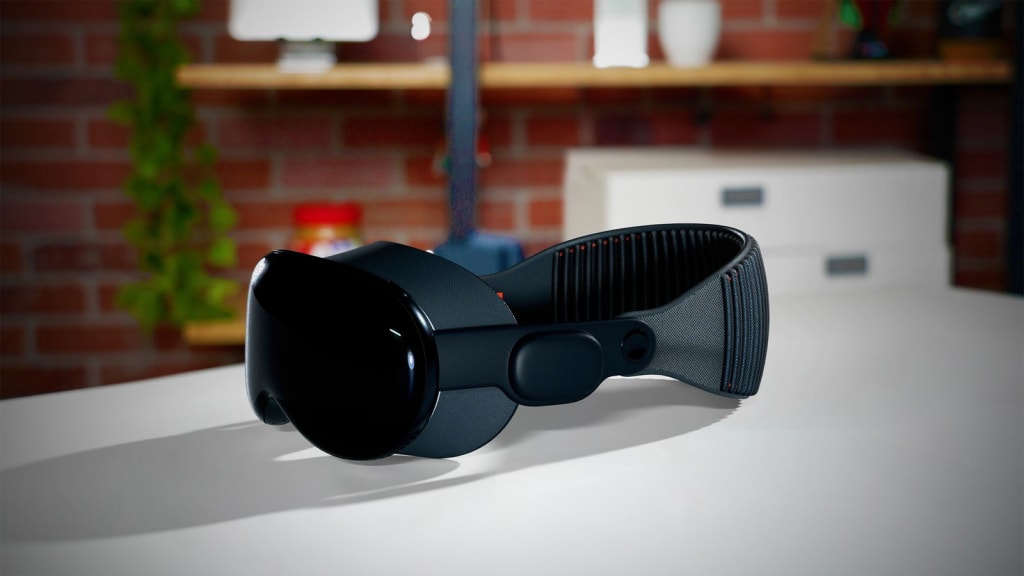
Apple has always been great at converting cutting-edge technology into ordinary goods. How the company brings creative ideas to life as simple devices is shown by the iPhone and Macbook. Right now, they appear to be concentrating on a significant breakthrough in augmented and virtual reality (AR/VR). Industry experts predict the debut of a possibly Called the Vision Air, which is meant to be a cheaper and lighter alternative to the Vision Pro headset.
Launched with much fanfare, the first Vision Pro featured amazing technology. It created an interesting mixed-reality experience with superb visuals, great spatial audio, and easy connection with Apple devices. Still, its weight and high cost were major obstacles for general adoption. Many people found the headphones uncomfortable throughout time, even while early adopters appreciated it, and its price deterred the typical consumer. The Vision Air is meant to solve these problems.
Sleeker Design, Greater Comfort
The more lightweight design of Vision Air is among the most intriguing changes. Although revolutionary, the prior Vision Pro had a heavy feel during extended usage. Reports indicate that Apple is using modern composite alloys, advanced lightweight materials, and improved ergonomics to guarantee that Vision Air is significantly more pleasant to wear.
This means a headset that can be used for hours without making users uncomfortable. Imagine yourself in a virtual classroom, collaborating in a corporate context, or diving into an immersive game without the inconvenience of a heavy headset squeezing against your face. Apple values ergonomics and user comfort highly, and Vision Air is expected to fully reflect these principles.
Affordable AR: Apple’s Mass-Market Play
One of the main hurdles to the broad adoption of AR headsets has been their hefty price. With its great cost, the Vision Pro primarily attracted early adopters and tech enthusiasts. Conversely, the Vision Air aspires to provide a bigger audience with Apple's mixed reality technology. Using lighter materials and a more basic design helps Apple to cut manufacturing expenses and provide a more attractive price.
Lower costs could make AR experiences available to all. Previously thought AR headsets were too costly, pupils, teachers, and infrequent consumers might now savor engaging events. Companies can additionally use Vision Air for virtual meetings and teamwork, free of the stress of large hardware expenses. In essence, this headset might usher in the era of AR becoming mainstream by bringing immersive technology into daily life rather than just a specialty hobby.
Core Technology Remains Cutting-Edge
Vision Air is expected to keep the core technology capabilities found in Vision Pro even if it is lighter and more affordable. Ultrahigh-resolution displays, advanced eyetracking, spatial audio capabilities, and a large catalog of apps created for mixed reality experiences await users. Better passthrough cameras would also greatly enhance augmented reality, enabling for a more seamless mix of the actual and virtual settings.
Apple is also heavily investing in software upgrades and developer assistance. Vision Air could become a resource for developers to create interesting games, professional applications, creative tools, and educational material. Apple hopes to set Vision Air as both a consumer gadget and a professional tool by combining accessibility with cutting-edge technology, therefore producing a mix of entertainment, work, and education.
Why Weight and Price Matter
Although reducing the cost and weight may seem to be only a minor change at first, these adjustments can have a major influence on user acceptability. More participation results from lighter equipment leading to longer usage without pain. Furthermore, a lower cost enables more diverse users to join Apple's mixed reality platform.
In the field of AR/VR, where user engagement determines success, this feature is vital. Tackling these two major hurdles would help Apple establish Vision Air as the headset that properly introduces AR/VR to a wider audience.
Apple’s Strategy: Following a Proven Path
Apple approaches Vision Air in a way that mirrors its approach with other products. Often first high-end gadgets by the company are followed by more reasonably priced solutions to reach a greater audience. The iPhone and MacBook line make this clear: earlier versions were high-end, but later releases made the items more approachable without sacrificing core functionality.
Apple can grow the mixed reality ecosystem naturally by applying this approach for Vision Air. While Vision Air makes the technology available to more people, therefore supporting Apple's posture, early users with the Vision Pro may give comments and generate buzz. Leading in the AR/VR industry.
Expanding Use Cases
Vision Air might greatly extend mixed reality uses. For example, students in education could enroll in virtual courses featuring interactive 3D models that enable hands-on learning independent of location limitations. Companies can employ immersive collaboration solutions to hold meetings with global teams, therefore boosting production and innovation.
In the entertainment sector, Vision Air might completely transform the gaming and streaming experience. Participants might interact with content in creative ways by attending live events, concerts, and games in virtual stadiums. Creativity and innovation practically have limitless possibilities.
Sustainability and Efficiency
Apple values sustainability as well. Utilizing lighter materials enables them to minimize the energy necessary for production and consumption of their goods, therefore assisting them in meeting their greater environmental goals. Furthermore, more effective manufacturing techniques and a modular design would make repairs and recycling easier, highlighting Apple's commitment to being environmentally responsible.
Looking Ahead to 2027
Though Apple has not formally confirmed the Vision Air, several sources suggest it is most likely scheduled to debut in 2027. According to industry predictions, the corporation will gradually disclose information, generating excitement like it does with its iPhones, MacBooks, and other major goods.
The next few years are essential for Apple. The company needs to provide continuous software support, promote developer growth of the Vision platform, and make the headset reasonably priced as well as operate well. Vision Air could be the mechanism that draws mixed reality into the general public if carried out well.
A New Era for Mixed Reality
Vision Air marks Apple's shifting viewpoint on AR/VR rather than just another product release. Rather than regarding it just as a premium item, Apple views it as a useful asset for everyday activities. Though still equipped with amazing technology, this gadget is lighter and less expensive; hence, it might change user expectations of immersive experiences.
Apple might have mixed reality smoothly integrated into daily life by 2027, therefore combining work, academics, and pleasure into one engaging experience just as smartphones do. In a manner that is both accessible and really transformational, Vision Air could eventually bring the fascinating universe of AR/VR to life.
About the Creator
Keep reading
More stories from Shahjahan Kabir Khan and writers in Journal and other communities.
Binge-Worthy September: What’s New on Netflix in 2025
Few things are as pleasurable as snuggling beneath a blanket with some snacks and a movie as the days grow shorter and the air turns crisp. Netflix's new options to check out. September 2025 promises to be a very interesting month for Netflix subscribers with a lineup of great new series, the return of fan-loved classics, and big films debuting for the first time.
By Shahjahan Kabir Khan6 months ago in Journal
Author’s Advice
If you would’ve asked me 20 years ago did I know I’d become a writer and an author, I would’ve said “nope, ain’t happening”. As fate would have it I did become an author and I can honestly say I’m loving it so far. It really does feel good to be a writer. I’ve learned a lot on this journey and I feel like with even me being as new to this world as I am, there’s some wisdom I need to share with every other aspiring author.
By Joe Patterson3 days ago in Journal
The 2026 Oscars: Who Is Likely to Win This Year?
Awards season is heating up as the nominees for the 98th Academy Awards have been announced, and speculation about who will take home the Oscars is already dominating the conversation. While critics and film insiders offer their own predictions each year, something new has entered the mix: prediction markets.
By Navigating the World4 days ago in Journal




Comments
There are no comments for this story
Be the first to respond and start the conversation.