
Annapurna Circuit Trek Cost: What You Need to Know for a Budget-Friendly Adventure
A Complete Budget Breakdown for One of Nepal’s Most Scenic Treks

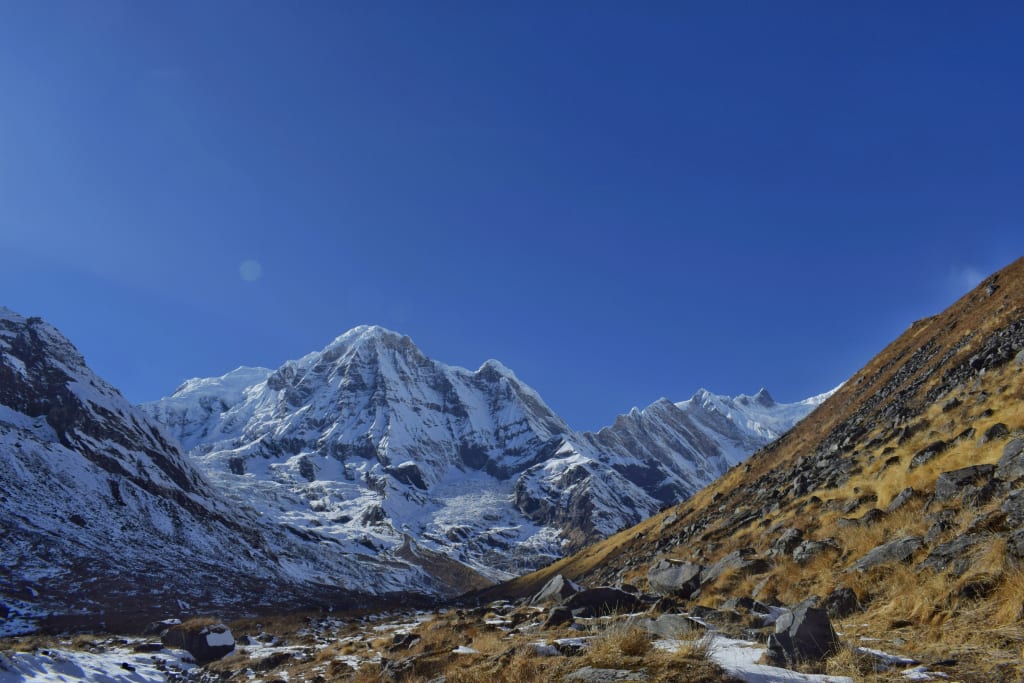
The Annapurna Circuit trek is a once-in-a-lifetime experience that attracts trekkers from all over the world. Before stepping onto the trail, one of the most common questions people ask is about the Annapurna Circuit trek cost. Knowing the costs in advance helps you plan better and enjoy the journey without worrying too much about money. The good news is, this trek is flexible in terms of budget, and it can be done in both affordable and luxurious ways depending on your choices.
Why Choose the Annapurna Circuit?
The Annapurna Circuit is not just a trek; it’s an adventure through some of the most diverse and beautiful landscapes in Nepal. You start in lush green valleys and end up walking through dry alpine deserts. The scenery changes every day. One day you might walk through a forest filled with rhododendrons, and the next day, you could be surrounded by snow-covered peaks.
You also get to experience different cultures. As you pass through villages inhabited by Gurung, Thakali, and Tibetan communities, you’ll learn about their unique lifestyles and traditions. Add to this the thrill of crossing Thorong La Pass, which stands at 5,416 meters, and you have the ingredients for an unforgettable journey.
Trekking Permits and Fees
Every trekker on the Annapurna Circuit needs to get two important permits:
ACAP (Annapurna Conservation Area Permit)
TIMS (Trekkers’ Information Management System) card
These permits are easy to get in either Kathmandu or Pokhara. You’ll need to bring passport-sized photos and a copy of your passport. These permits are checked at various points along the trail.
Having your permits in hand not only keeps you on the right side of the law but also helps fund conservation and trail maintenance efforts in the region.
Cost of Food and Accommodation
One of the biggest parts of your budget goes to food and accommodation. Luckily, the Annapurna Circuit has plenty of tea houses, which are simple guesthouses along the trail. You do not need to carry a tent or cooking gear unless you want to camp.
Rooms usually cost between NPR 300 to NPR 800 per night (about USD 2.50 to USD 6.00).
Meals range from NPR 300 to NPR 700 depending on what you eat and where you are.
Dal Bhat, a traditional Nepali meal made of rice, lentil soup, and vegetables, is popular and filling. Some trekkers stick with it every day. You’ll also find pasta, pancakes, fried rice, and soups on the menu.
As you go higher, the prices increase slightly because everything has to be carried up by porters or mules. A bottle of water that costs NPR 50 at lower altitudes might cost NPR 150 or more at higher places like Thorong Phedi.
Guide and Porter Services
Hiring a guide or a porter is a personal choice. Some trekkers prefer going solo with a good map or GPS app, while others enjoy the safety and local knowledge that a guide provides.
A licensed guide costs about USD 25 to USD 35 per day.
A porter charges around USD 20 to USD 25 per day and can carry up to 20–25 kg of your gear.
Having a guide can make your trip more enjoyable. They explain the local culture, manage logistics, and help in case of emergencies. A porter helps you walk freely without carrying a heavy backpack, which is especially useful in the steep or high-altitude sections.
Transportation Costs
Most treks begin at Besisahar, which is a 6 to 7-hour drive from Pokhara. You can take a public bus or hire a private jeep.
Bus from Pokhara to Besisahar: NPR 500 to NPR 700
Jeep from Pokhara to Besisahar: NPR 4,000 to NPR 6,000 (can be shared)
From Besisahar, many trekkers take another jeep ride to Chame or Syange to skip the dusty road sections. This can save 2–3 days of walking but adds to your cost.
At the end of the trek, from places like Jomsom, Tatopani, or Pokhara, you’ll need to arrange transport back to your starting point or Kathmandu.
Flight from Jomsom to Pokhara: USD 100 to USD 120
Bus from Jomsom to Pokhara: NPR 1,200 to NPR 1,800
Gear and Equipment
If you already own good trekking gear, that’s great. But if not, you can buy or rent most items in Thamel (Kathmandu) or Lakeside (Pokhara). Prices are affordable, and shops have a wide variety of jackets, sleeping bags, boots, and backpacks.
Here’s a list of basic gear you might need:
Warm clothes for high altitude
Good hiking boots
Trekking poles
Sleeping bag (rated for -10°C or lower)
Headlamp
Gloves, hat, and sunglasses
Renting a sleeping bag or down jacket costs about USD 1 to USD 2 per day. Buying will cost more, but it’s a good investment if you plan to trek often.
Internet and Charging
Wi-Fi is available in many tea houses, usually for a small fee. Charging your devices may also come with an extra cost, especially at higher elevations.
Wi-Fi per day: NPR 300 to NPR 500
Charging per device: NPR 100 to NPR 300
To save money, carry a power bank and a local SIM card with a data package. Nepal Telecom and Ncell offer good coverage in many trekking areas.
Travel Insurance
Trekking above 4,000 meters always comes with risks. Travel insurance that covers high altitude trekking and emergency helicopter evacuation is highly recommended. The cost varies depending on your home country and the length of your trip, but expect to pay around USD 100 to USD 150.
Make sure your insurance provider covers trekking over 5,000 meters because not all basic plans do.
Final Thoughts
The Annapurna Circuit trek cost depends on how you choose to travel. A budget trekker can complete the journey for around USD 600 to USD 800, while someone looking for more comfort may spend up to USD 1,500 or more.
Whatever your budget, the experience of walking through the Himalayas, meeting kind-hearted locals, and standing at the top of Thorong La Pass is priceless. The Annapurna Circuit gives you a mix of adventure, culture, and natural beauty that few other treks in the world can match.
So, get your boots ready, plan your budget, and take the first step toward the adventure of a lifetime. Annapurna is waiting for you.
About the Creator
Reader insights
Outstanding
Excellent work. Looking forward to reading more!
Top insights
Compelling and original writing
Creative use of language & vocab
Easy to read and follow
Well-structured & engaging content
Excellent storytelling
Original narrative & well developed characters
Expert insights and opinions
Arguments were carefully researched and presented
Eye opening
Niche topic & fresh perspectives
Heartfelt and relatable
The story invoked strong personal emotions
Masterful proofreading
Zero grammar & spelling mistakes
On-point and relevant
Writing reflected the title & theme
Keep reading
More stories from Olivia Flores and writers in Journal and other communities.
Langtang Valley Trekking
Langtang Valley Trekking is one of the best short treks in Nepal. It offers peaceful trails, mountain views, and local culture. This trek is perfect for people who want to enjoy nature without walking for many weeks. Langtang Valley takes you close to snow-covered peaks, green forests, and friendly villages. It is not as crowded as other famous treks, which makes it a calm and beautiful experience.
By Olivia Flores8 months ago in Journal
The goals I did not achieve
Every writing goal I made for the year is a wash. It has been this way for a while, but I think it's important to be open about my failures and the reality of how life can get in the way. This is especially true considering the several times I have posted on Vocal about my writing goals, how I was changing my approach, and where I was hoping to be for the upcoming year. I will probably do that again in a couple months, but for now, it is time to acknowledge where I am today.
By Kay Husnick24 days ago in Journal


Comments (1)
Great