
Angelina Jolie Voices Concern About U.S. Freedom of Speech
Hollywood star raises alarm over personal expression and identity at the 2025 San Sebastián Film Festival.

Introduction
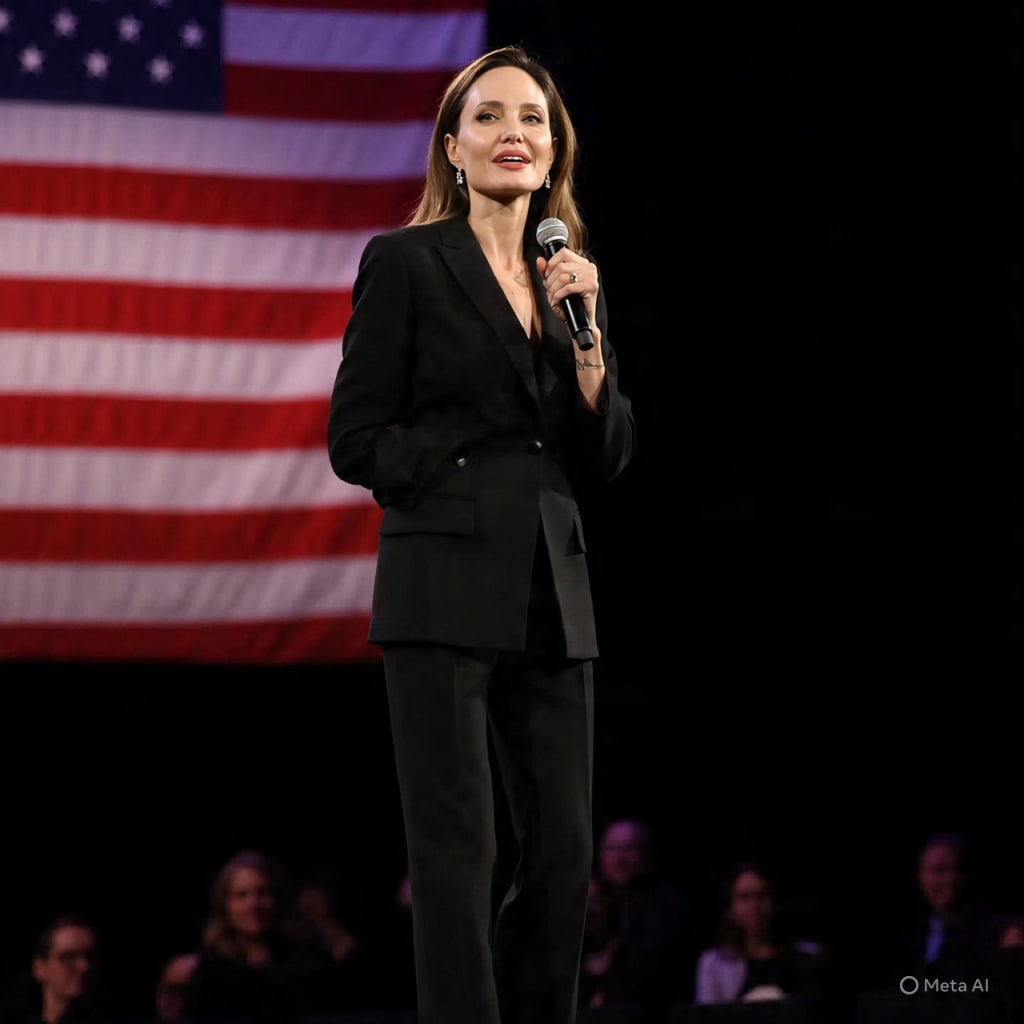
Angelina Jolie, the Hollywood actress and global humanitarian, made headlines during the 2025 San Sebastián International Film Festival in Spain when she stated, “I love my country, but at this time, I don’t recognize my country.” Her remarks came while promoting her latest film, Couture, and immediately drew widespread attention in the U.S. and internationally. Fans, media outlets, and political commentators quickly picked up the statement, sparking debates about free speech, national identity, and the role of celebrities in public discourse.
The Remarks That Went Viral
During a press conference on September 21, 2025, a journalist asked Jolie about her concerns as both an artist and an American. Her response highlighted her global perspective and the issues she perceives in her home country:
“I love my country, but I don’t at this time recognize my country. I’ve always lived internationally. My family is international, my friends, my life. My worldview is equal, united, international. Anything anywhere that divides or limits personal expressions and freedoms from anyone, I think is very dangerous.”
Jolie emphasized that these are “very, very heavy times,” reflecting the seriousness of the topics she was discussing. Her comments were notable for their candor and emotional weight, particularly coming from a Hollywood star known for both her films and her humanitarian work.
Why It Captured Attention
Several factors contributed to why Jolie’s remarks went viral:
High-profile speaker: Jolie is not only a celebrated actress but also a recognized global humanitarian and advocate for refugee and women’s rights. When someone of her stature speaks critically about social issues, it naturally garners attention.
Cultural relevance: The statement touched on freedom of speech and personal expression—hot topics in the U.S., especially in the current political and social climate.
Emotional phrasing: Saying she doesn’t recognize her country is striking and unusual. The combination of love for her nation and serious critique made her words resonate widely.
Global reach: Speaking at an international festival gave the remarks exposure beyond the United States, turning the story into a global conversation.
What Jolie Meant
Jolie’s message was not a political attack but a reflection of her concerns about societal divisions and restrictions on expression. She highlighted:
Global perspective: Jolie has lived and worked internationally for much of her adult life. Her outlook encompasses a broader, more global mindset.
Concerns about freedom: She described restrictions on personal expression as dangerous, indicating her awareness of contemporary debates surrounding speech, media, and culture in the U.S.
Transition in life and career: Jolie has long balanced family life in the United States with a career spanning multiple countries. With her youngest children approaching adulthood, she hinted at a possible relocation abroad, which many interpreted as aligning with her expressed worldview.
Public Reaction
The response was swift and diverse:
Media coverage: Major outlets in the U.S. and Europe highlighted her remarks, often linking them to broader discussions of free speech and cultural identity.
Public commentary: Fans praised Jolie for using her platform to raise important issues, while some critics interpreted her words as political commentary. Social media exploded with debates, memes, and discussions analyzing the meaning behind her statement.
Industry impact: The comments also sparked discussions within Hollywood about the role of public figures as cultural influencers and the increasing willingness of celebrities to engage in societal conversations.
Why It Matters
Jolie’s remarks illustrate the broader intersection of celebrity culture and social issues. Several key points emerge:
Celebrities as social voices: High-profile figures can influence public opinion and spark conversations about important societal topics.
Freedom of expression: Her statement raises awareness about the challenges of personal expression in a polarized environment, emphasizing the relevance of constitutional and cultural debates.
Global perspective vs. national identity: Jolie’s comments reflect a growing tension among internationally minded individuals who navigate identity and belonging across borders.
Implications for Hollywood and Beyond
Angelina Jolie’s statement highlights how celebrities increasingly participate in social and political conversations. Her remarks may inspire others in Hollywood to voice concerns on similar topics, amplifying discussions about national identity, freedom of expression, and cultural values.
For the public, it shows that celebrity news often intersects with real societal issues. The viral nature of her comments demonstrates how modern media can rapidly elevate a single statement into a worldwide discussion.
Looking Forward
Several aspects of this story bear watching in the coming months:
Will Jolie clarify or expand on her statement in interviews or social media?
How will the American public, fans, and media continue to respond?
Will this moment encourage other high-profile figures to speak on similar issues, further merging entertainment and social commentary?
Conclusion
Angelina Jolie’s recent statement that she no longer recognizes her country at this moment drew immediate public attention. However, her words reflect something deeper than a passing comment—they touch on growing concerns about freedom, personal expression, and national identity.
As a world-known actress and humanitarian, Jolie’s voice carries influence beyond film and entertainment. Her concern is not just about politics or culture, but about how people feel disconnected from the values they once believed represented their nation.
Beyond the quick headlines, her remarks remind us how strongly celebrities can shape public conversations. They draw attention to ongoing debates about free speech, national identity, and cultural change in the United States. Jolie’s words encourage reflection on how society is evolving and how individuals, especially public figures, can use their platforms to question and engage with those changes.
Her message shows that entertainers are not only artists—they are citizens whose experiences and opinions can spark important national discussions.
About the Creator
Saad
I’m Saad. I’m a passionate writer who loves exploring trending news topics, sharing insights, and keeping readers updated on what’s happening around the world.
The goals I did not achieve
Every writing goal I made for the year is a wash. It has been this way for a while, but I think it's important to be open about my failures and the reality of how life can get in the way. This is especially true considering the several times I have posted on Vocal about my writing goals, how I was changing my approach, and where I was hoping to be for the upcoming year. I will probably do that again in a couple months, but for now, it is time to acknowledge where I am today.
By Kay Husnick23 days ago in Journal
Diary of Anony Elle
If you read the last post, forgive me… I was rambling. See, I have a plan! I have learned that perfection is not needed to start that plan. So, I just started it. I am committed and I will not allow my circumstances to deter me like I have many times before. Not this time. This time I am focused, dedicated, and willing to do everything that I need to do to achieve the outcome my babies and I deserve. I now know who I am, who they are, and what I am up against. I do not plan on being nice anymore, now that I know how stupid nice is. I do not wonder if they love me (“they” will be revealed soon) and I know who my enemies are; so I no longer have limits.
By Anony Elle4 days ago in Journal


Comments (1)
Nice