
Analyzing the Sugar Market: Current Trends, Future Growth, and Opportunities
Discover the trends shaping the sugar market, from sustainability to emerging technologies. Learn about future growth opportunities for your business.

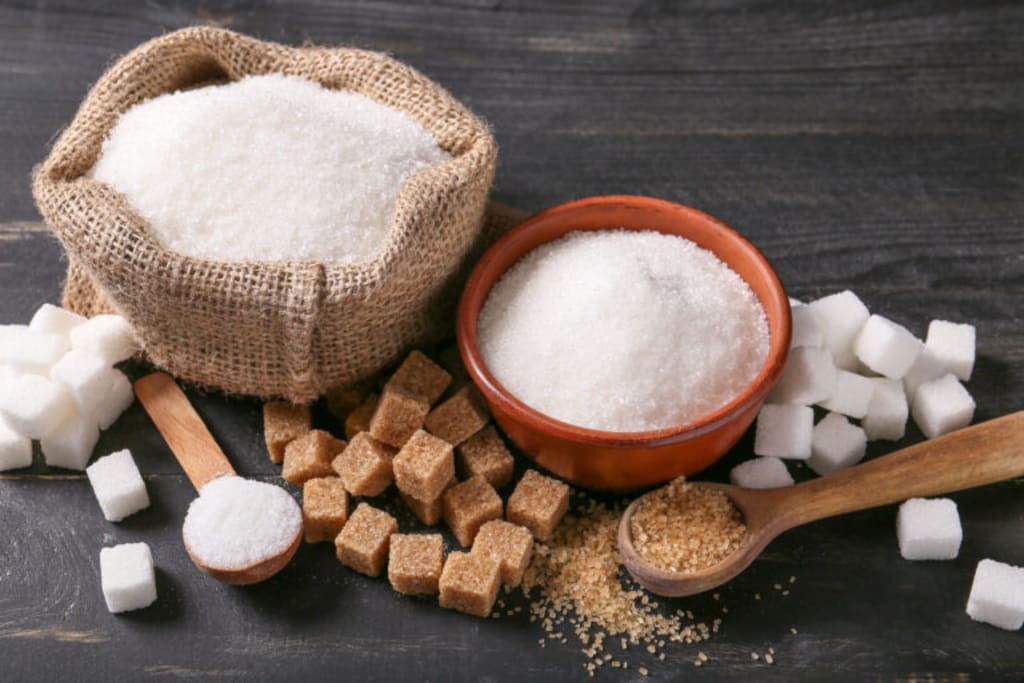
Sugar, often dubbed as a universal ingredient, plays a significant role in industries, economies, and cultures worldwide. Its diverse applications span food and beverage, pharmaceuticals, cosmetics, and even biofuels. Yet, its market is at a crossroads, adapting to evolving consumer preferences, sustainability demands, and global trade dynamics. This blog aims to provide an in-depth analysis of the sugar market, exploring the dynamics that shape its present, the opportunities it holds for the future, and how businesses can align with these changes to thrive.
A Comprehensive Overview of the Sugar Market
The global sugar market is vast, with production concentrated in key regions like Brazil, India, Thailand, and the European Union. Domestically, sugarcane and sugar beet are the two predominant raw materials, catering to various production needs. According to market statistics, the global sugar market was valued at over $46 billion in 2022, and its growth trajectory anticipates a blend of opportunities and challenges in the years ahead.
Traditionally, the sugar market has been dominated by its use in food and beverages. However, the changing perception of sugar as a commodity, driven by health consciousness and the global push for sustainability, has led to an expansion of its application in niche industries like bioenergy. While sugar consumption continues in traditional markets, newer trends and innovations significantly influence its global trade and production.
Sugar Market Size and Share:
The global sugar market size was valued at 194.9 Million Tons in 2024. Looking forward, IMARC Group estimates the market to reach 223.1 Million Tons by 2033, exhibiting a CAGR of 1.36% during 2025-2033. Brazil leads the market with a 25.0% share in 2024. This dominance is driven by rising demand for processed foods, spurred by changing consumer preferences and lifestyles. The pharmaceutical sector is also increasingly adopting products, boosting the market further. Additionally, easy access to these goods through various distribution channels strengthens Brazil's competitive position and fuels continued growth.
Key Drivers Shaping the Sugar Market
Several factors contribute to the sugar market's current landscape. Production volumes are heavily influenced by climate conditions, commodity prices, and technological advancements. Meanwhile, consumer awareness campaigns focusing on the health impacts of sugar are reducing its per capita consumption in some regions, most notably North America and Western Europe.
On the other hand, emerging markets in Asia-Pacific, Africa, and Latin America exhibit growing demand, fueled by population growth, urbanization, and rising income levels. Additionally, the development of alternative sweeteners, regulatory dynamics involving sugar taxes, and the rising demand for organic and sustainable sugar are influencing pricing strategies, consumer behavior, and production practices.
The Relationship Between Sugar and Health Awareness
One of the most prominent dynamics affecting the market is the connection between sugar and public health. Over the past decade, increased scrutiny of sugar's link to obesity, diabetes, and other chronic conditions has led to regulatory measures in several countries. From sugar taxes introduced in regions like the United Kingdom and Mexico to efforts encouraging balanced consumption, the demand for conventional sugar is undergoing a noticeable shift.
At the same time, consumer demand for healthier alternatives has accelerated the growth of products like low-glycemic sweeteners, artificial sweeteners, and stevia-based products. For companies within this space, focusing on health-conscious consumers presents a lucrative opportunity. Many businesses are innovating in this direction, introducing sugar variants that align with modern dietary preferences while maintaining the functionality that traditional sugar provides in baking, preservation, and flavor enhancement.
Sustainability Trends Reshaping the Industry
Sustainability is another key theme driving transformation in the sugar market. Modern consumers are increasingly conscious of the environmental impact of their food choices, and sugar production—especially when it involves water-intensive methods—faces scrutiny in this regard. To address these concerns, sugar producers are adopting sustainable practices to reduce carbon footprints, minimize water use, and promote fair labor. Certification programs like Fairtrade and Bonsucro are also gaining traction, providing consumers with assurances about the ethical and sustainable sourcing of sugar.
The potential for bioenergy production from sugar-based ethanol has further rejuvenated the market. Ethanol production, particularly in countries like Brazil, showcases the versatility and potential of sugarcane as a renewable source of energy. Amid a global push for cleaner fuels, investments in sugar-based bioenergy are rising, creating fresh channels for revenue generation.
Emerging Technologies in Sugar Production and Processing
Technological advancements are revolutionizing sugar production. Mechanization in agriculture, precision farming, and the adoption of smart irrigation systems are improving yield efficiency, especially in countries with large-scale production capabilities. Post-harvest, innovations like automated milling, refining, and eco-friendly packaging solutions align with sustainability goals and cost optimization.
Another impactful innovation lies in biotechnology. Genetically modified crops resistant to pests and drought are helping farmers mitigate risks associated with fluctuating climate conditions. Similarly, fermentation technology is enabling efficient production of alternative sugars and sugar derivatives, paving the way for new market segments.
Opportunities in Emerging Markets
For businesses looking to expand in the sugar market, emerging economies present a fertile ground for growth. With rapid urbanization and expanding middle-class populations, countries like India, Vietnam, and Nigeria offer an increasing appetite for sugar-based products, whether conventional or innovative.
Companies that understand the cultural nuances and taste preferences of these markets hold a competitive advantage. Localizing products while maintaining global appeal could unlock new customer bases and revenue streams. Furthermore, partnerships with farmers, communities, and governments in these markets could ensure long-term socio-economic benefits, contributing to a brand's reputation and consumer trust.
Strategic Outlook for Businesses in the Sugar Market
The future of the sugar market will hinge on businesses' ability to balance tradition with innovation. Companies must position themselves to meet both health-conscious consumer demands and sustainability expectations without compromising on functionality or affordability.
Investing in R&D for low-calorie options, sustainable packaging, and alternative uses of sugar ensures relevance in an evolving market. Digital transformation can also accelerate operational efficiency, allowing businesses to adapt to market shifts rapidly. Transparency and storytelling remain powerful tools, enabling brands to communicate their commitment to ethical sourcing and sustainability effectively.
Building collaborations across the value chain—from farmers to retailers—can further enhance competitiveness. Such collaborations not only stimulate innovation but also allow businesses to share resources and expertise to drive industry-wide progress.
Moving Forward with Confidence
The sugar market is undoubtedly at a turning point where economic, regulatory, social, and environmental factors converge. Businesses that approach this shift with strategic insights and agility are well-positioned to unlock unparalleled opportunities. Whether through healthier options, innovative uses, or sustainable practices, the possibilities within the sugar market remain as sweet as its primary product.
If you're about to enter or expand your operations in the sugar industry, remember that staying ahead requires foresight, adaptability, and a commitment to meeting consumers' evolving expectations. The market is not just about meeting demands—it’s about creating value for societies, economies, and the planet at large.
About the Creator
Andrew Sullivan
Hello, I’m Andrew Sullivan. I have over 9+ years of experience as a market research specialist.
Keep reading
More stories from Andrew Sullivan and writers in Journal and other communities.
Aquaculture Market Size, Share, Trends & Future Growth Opportunities
Understanding the Aquaculture Market Aquaculture, often referred to as fish farming, plays a crucial role in providing sustainable sources of seafood and aquatic products to meet the demands of a booming global population. Over the last few decades, it has emerged as one of the fastest-growing sectors in the global food industry. The practice involves the breeding, rearing, and harvesting of aquatic organisms, including fish, shellfish, and seaweed, in controlled environments. Unlike wild fisheries, aquaculture enables a consistent supply of high-quality food products while alleviating pressure on natural aquatic ecosystems.
By Andrew Sullivanabout a year ago in Journal
The goals I did not achieve
Every writing goal I made for the year is a wash. It has been this way for a while, but I think it's important to be open about my failures and the reality of how life can get in the way. This is especially true considering the several times I have posted on Vocal about my writing goals, how I was changing my approach, and where I was hoping to be for the upcoming year. I will probably do that again in a couple months, but for now, it is time to acknowledge where I am today.
By Kay Husnick18 days ago in Journal
Why Catholics Believe the Eucharist Is the Real Presence of Christ
One of the most distinctive and misunderstood beliefs of the Catholic Church is the teaching that the Eucharist is truly the Body, Blood, Soul, and Divinity of Jesus Christ. For Catholics, the Eucharist is not merely a symbol, a reminder, or a ritual meal. It is the real presence of Christ, given to the Church exactly as He promised. This belief is central to Catholic faith and worship and has been held consistently since the earliest days of Christianity.
By Sound and Spiritabout 4 hours ago in Journal


Comments
There are no comments for this story
Be the first to respond and start the conversation.