
Amazon Launches Project Kuiper Satellites to Rival Elon Musk’s SpaceX Starlink
Amazon’s Project Kuiper takes flight with first satellite launch, intensifying the race to provide global internet access alongside SpaceX’s Starlink.
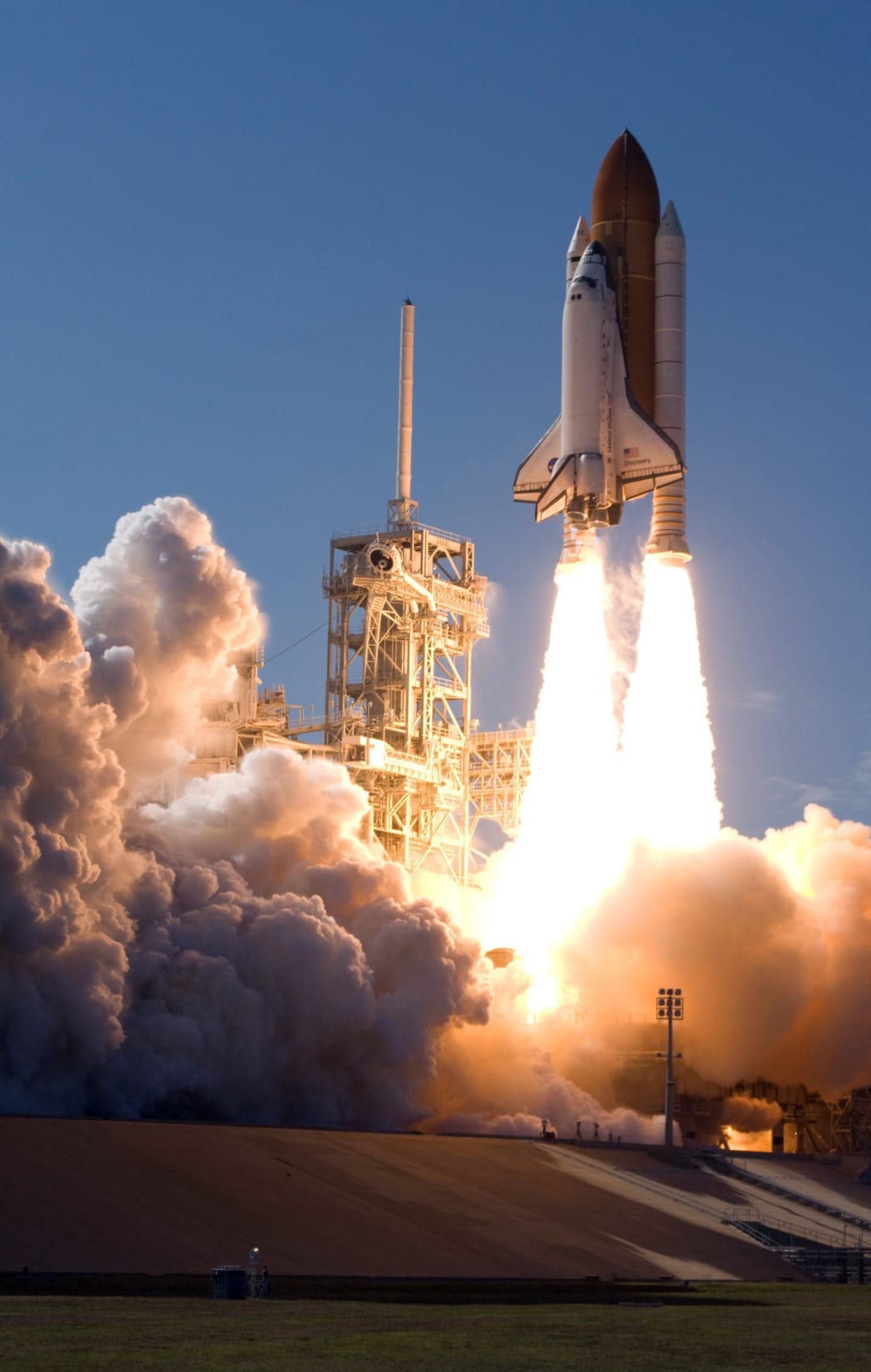
Amazon has officially entered the satellite internet race with the launch of its first batch of operational satellites for Project Kuiper—an ambitious initiative aimed at delivering global broadband internet coverage. The launch, which took place on April 28, 2025, marks a significant milestone for Amazon as it steps into direct competition with Elon Musk’s SpaceX, which currently dominates the satellite-based internet market with its Starlink constellation.
The satellites were deployed aboard a United Launch Alliance (ULA) Atlas V rocket from Cape Canaveral Space Force Station in Florida. With this move, Amazon signals its serious commitment to transforming the global internet infrastructure and bridging the digital divide, particularly in underserved and remote regions of the world.
Project Kuiper is Amazon’s multi-billion dollar effort to build and operate a network of 3,236 low Earth orbit (LEO) satellites. These satellites will form a massive constellation designed to beam high-speed, low-latency internet to users worldwide. The initiative was first announced in 2019 and is backed by a $10 billion investment from Amazon. The name “Kuiper” refers to the Kuiper Belt, a region of the solar system beyond Neptune, symbolizing Amazon’s aspirations to explore space-based technologies.
The primary goal of Project Kuiper is to provide reliable internet access in areas where traditional connectivity infrastructure is limited, expensive, or completely unavailable. While this sounds noble, it’s also a highly competitive and lucrative business. With over 2.7 billion people still lacking internet access globally, there is a massive untapped market for affordable satellite-based connectivity.
The April 2025 launch carried 27 of Amazon’s Kuiper satellites into orbit. This follows two successful prototype tests in late 2023, where Amazon demonstrated that its satellite and ground technology could operate reliably. With this latest step, Amazon moves beyond the testing phase and into actual deployment of its constellation.
The journey to this point hasn’t been entirely smooth. Amazon faced a range of technical and logistical hurdles, including delays in satellite production, changing regulatory requirements, and weather-related disruptions to launch schedules. However, the successful deployment of these first operational satellites suggests that Amazon is now well-positioned to accelerate the rollout.
Amazon’s satellite internet ambitions are subject to tight regulatory scrutiny. The U.S. Federal Communications Commission (FCC) has mandated that Amazon must launch at least half of its 3,236-satellite constellation by July 2026. Meeting this aggressive deadline is crucial for maintaining the Kuiper project’s FCC license and continuing to operate legally in key markets.
To meet these goals, Amazon has secured 83 rocket launches over the coming years through deals with United Launch Alliance, Arianespace, and Blue Origin—Amazon founder Jeff Bezos’s aerospace company. These launch contracts represent one of the largest commercial launch procurement agreements in history, underscoring Amazon’s serious intentions to become a global player in the space -based internet sector.
One of the main challenges with satellite internet is the cost and accessibility of user hardware. To address this, Amazon plans to offer consumer terminals that will cost less than $400—comparable to Starlink’s basic setup, which currently costs around $599. These terminals will include a small dish that can connect to the Kuiper satellites and deliver internet directly to homes, businesses, and public facilities.
Amazon claims that its terminals are not only cost-effective but also easy to install and maintain, making them ideal for rural and underserved communities. Additionally, the company is developing more compact and lightweight versions of the terminals for mobile users, such as RV owners, maritime vessels, and even airplanes.
Amazon’s biggest rival in this space is undoubtedly SpaceX’s Starlink, which already has a significant lead. Starlink has launched more than 8,000 satellites to date, with around 5,500 currently operational. It boasts more than 5 million active users across dozens of countries. With this head start, SpaceX has managed to build a robust and expanding global customer base.
Despite this, Amazon believes there is room for more than one major player in the satellite internet sector. Jeff Bezos has emphasized that the demand for global connectivity is immense and growing, and that competition will ultimately benefit consumers by lowering costs and improving service quality.
In many ways, the Amazon vs. SpaceX rivalry mirrors the broader competition between Bezos and Musk, who are also locked in a space race between their respective aerospace ventures—Blue Origin and SpaceX. The satellite internet battlefield is just another front in their ongoing technological duel.
As more satellites are launched into low Earth orbit, scientists and astronomers have raised concerns about the impact on space traffic and night sky visibility. Large constellations like Starlink and Project Kuiper can interfere with ground-based astronomical observations due to their brightness and movement across the sky.
To address these concerns, Amazon has equipped its Kuiper satellites with special mirror coatings to reduce reflectivity. The company is also collaborating with astronomers and space safety organizations to ensure responsible satellite deployment and operation. These efforts include collision avoidance protocols and systems to de-orbit satellites safely at the end of their lifespan to avoid contributing to space debris.
Project Kuiper’s successful launch marks a significant moment not just for Amazon, but for the future of global internet connectivity. As the constellation grows and services come online, millions of people could gain access to high-speed internet for the first time. This could revolutionize education, healthcare, commerce, and communication in areas that have been historically marginalized.
Amazon plans to begin customer testing in late 2025, with a full commercial rollout expected in 2026. If all goes according to plan, Kuiper could quickly become one of the largest internet service providers in the world, delivered not through cables or fiber optics, but from space.
The launch of Amazon’s Project Kuiper satellites is a bold and strategic move that reshapes the competitive landscape of satellite internet. While SpaceX may currently lead the market, Amazon’s technological capabilities, financial resources, and global infrastructure could quickly make it a worthy challenger. The race for space-based internet supremacy is heating up—and the real winners could be the billions of people still waiting for reliable, affordable connectivity.
As Amazon accelerates its satellite launches and prepares to roll out services, the world watches closely. Project Kuiper is no longer just a concept—it’s now orbiting the Earth, ready to connect the unconnected and redefine the future of the internet.
About the Creator
Keep reading
More stories from Ismail Patwary and writers in Journal and other communities.
China uses 'gravitational slingshots' to save 2 satellites that were stuck in the wrong orbit for 123 days
In the unforgiving realm of space, where one wrong calculation can doom a multimillion-dollar mission, China has pulled off a spectacular save that reads like something out of a science fiction novel. Using a series of carefully planned gravitational slingshots, Chinese scientists rescued two satellites that had been stuck in the wrong orbit for 123 days—marking a breakthrough in space recovery strategies and a testament to the country’s growing capabilities in space technology.
By Ismail Patwary 9 months ago in Earth
What Happens When Group Identity Overrides Personal Judgment.
Human beings are social creatures, and a sense of belonging is central to psychological well-being. Group identity provides safety, recognition, and shared meaning, but it also has a powerful influence on individual judgment. When group identity dominates personal reasoning, decisions are often guided more by loyalty, conformity, or fear of exclusion than by independent evaluation. This phenomenon can produce significant psychological, social, and behavioral consequences, affecting ethical choices, critical thinking, and personal responsibility. Understanding how group identity overrides personal judgment is essential for navigating social dynamics and maintaining autonomy.
By Wilson Igbasi6 days ago in Journal


Comments
There are no comments for this story
Be the first to respond and start the conversation.