
Allies of Circumstance: Imran Khan, Donald Trump, and the Crossroads of Politics
Populism, Power, and Political Upheaval: Tracing the Unlikely Alignment Between Two Disruptive Leaders

Start writing...Introduction
The political relationship between former U.S. President Donald Trump and former Pakistani Prime Minister Imran Khan has been one of pragmatism, mutual admiration, and underlying geopolitical tension. While they hail from vastly different cultural and political backgrounds, their populist styles and outsider personas created a unique diplomatic chemistry. This article explores their past interactions, the trajectory of their political relationship, and Trump's views regarding the political crisis that later engulfed Pakistan and Khan’s ousting from power.
A Populist Parallel: Khan and Trump’s Similar Rise
Both Trump and Khan emerged as political outsiders who disrupted traditional power structures in their respective countries. Khan, a cricket legend-turned-politician, campaigned on anti-corruption, Islamic values, and national pride. Trump, a billionaire businessman and reality TV star, ran on a platform of nationalism, anti-elitism, and economic reform.
Their rise resonated with disenchanted voters and challenged established political elites. This similarity laid a foundation of mutual respect, even admiration, when Khan visited Washington in July 2019.
The White House Meeting: A Diplomatic High Point
In July 2019, Khan’s visit to the White House marked the height of his relationship with Trump. The leaders discussed a wide range of issues, particularly the ongoing U.S. withdrawal from Afghanistan. Trump praised Khan’s leadership and called him “a great leader,” adding, “He’s very popular in Pakistan.”
Khan, in return, thanked Trump for his hospitality and expressed a willingness to support U.S. peace efforts in Afghanistan. This meeting led to enhanced diplomatic engagements and boosted U.S.-Pakistan cooperation temporarily. It also reflected Trump's transactional approach to foreign policy — rewarding countries that supported U.S. interests, especially in terms of security.
Tensions Under the Surface
Despite warm public gestures, tensions lingered over longstanding issues. Trump had earlier suspended U.S. security assistance to Pakistan in 2018, accusing the country of harboring terrorists and not doing enough to support the U.S. war in Afghanistan. Khan pushed back strongly, asserting Pakistan’s sovereignty and highlighting the sacrifices the country had made in the War on Terror.
Though both leaders exchanged compliments publicly, their underlying political ideologies and strategic objectives often clashed. Trump's hard stance on security and Khan’s emphasis on independence created a delicate balancing act in the relationship.
Trump's Silence During Pakistan’s Political Crisis
After Khan was ousted from office in 2022 via a no-confidence vote — which he claimed was orchestrated with foreign influence — Donald Trump did not issue any official or strong public statement in Khan’s support. This absence of commentary surprised many, considering their previously friendly relations and similar anti-establishment narratives.
Privately, however, some reports suggested that Trump viewed Khan’s removal as emblematic of the broader global trend of populist leaders being challenged by entrenched systems. Trump’s own claims of political persecution in the U.S. may have influenced his quiet sympathy for Khan, but no direct endorsement or criticism was made public.
The Khan-Trump Dynamic in Retrospect
In retrospect, the Trump-Khan relationship was emblematic of modern geopolitical alignments — driven more by situational needs than ideological unity. Both leaders found utility in one another during their time in office, especially regarding Afghanistan. But their relationship didn’t evolve into a lasting alliance or personal friendship beyond their mutual populist appeal.
Conclusion
The relationship between Imran Khan and Donald Trump remains a unique case study in modern diplomacy. It illustrates how political style, media presence, and strategic necessity can converge to form temporary but impactful relationships on the global stage. As Pakistan continues to face political turbulence and as Trump eyes another presidential run, it remains to be seen whether their paths will cross again in any consequential way.
Let me know if you’d like this turned into a formatted article for publication or want to add references and quotes.
4o
You said:
Allies of Circumstance
Absolutely! Here's a detailed article along with a title suggestion:
Title: "Allies of Circumstance: Imran Khan, Donald Trump, and the Crossroads of Politics"
Introduction
The political relationship between former U.S. President Donald Trump and former Pakistani Prime Minister Imran Khan has been one of pragmatism, mutual admiration, and underlying geopolitical tension. While they hail from vastly different cultural and political backgrounds, their populist styles and outsider personas created a unique diplomatic chemistry. This article explores their past interactions, the trajectory of their political relationship, and Trump's views regarding the political crisis that later engulfed Pakistan and Khan’s ousting from power.
A Populist Parallel: Khan and Trump’s Similar Rise
Both Trump and Khan emerged as political outsiders who disrupted traditional power structures in their respective countries. Khan, a cricket legend-turned-politician, campaigned on anti-corruption, Islamic values, and national pride. Trump, a billionaire businessman and reality TV star, ran on a platform of nationalism, anti-elitism, and economic reform.
Their rise resonated with disenchanted voters and challenged established political elites. This similarity laid a foundation of mutual respect, even admiration, when Khan visited Washington in July 2019.
The White House Meeting: A Diplomatic High Point
In July 2019, Khan’s visit to the White House marked the height of his relationship with Trump. The leaders discussed a wide range of issues, particularly the ongoing U.S. withdrawal from Afghanistan. Trump praised Khan’s leadership and called him “a great leader,” adding, “He’s very popular in Pakistan.”
Khan, in return, thanked Trump for his hospitality and expressed a willingness to support U.S. peace efforts in Afghanistan. This meeting led to enhanced diplomatic engagements and boosted U.S.-Pakistan cooperation temporarily. It also reflected Trump's transactional approach to foreign policy — rewarding countries that supported U.S. interests, especially in terms of security.
Tensions Under the Surface
Despite warm public gestures, tensions lingered over longstanding issues. Trump had earlier suspended U.S. security assistance to Pakistan in 2018, accusing the country of harboring terrorists and not doing enough to support the U.S. war in Afghanistan. Khan pushed back strongly, asserting Pakistan’s sovereignty and highlighting the sacrifices the country had made in the War on Terror.
Though both leaders exchanged compliments publicly, their underlying political ideologies and strategic objectives often clashed. Trump's hard stance on security and Khan’s emphasis on independence created a delicate balancing act in the relationship.
Trump's Silence During Pakistan’s Political Crisis
After Khan was ousted from office in 2022 via a no-confidence vote — which he claimed was orchestrated with foreign influence — Donald Trump did not issue any official or strong public statement in Khan’s support. This absence of commentary surprised many, considering their previously friendly relations and similar anti-establishment narratives.
Privately, however, some reports suggested that Trump viewed Khan’s removal as emblematic of the broader global trend of populist leaders being challenged by entrenched systems. Trump’s own claims of political persecution in the U.S. may have influenced his quiet sympathy for Khan, but no direct endorsement or criticism was made public.
The Khan-Trump Dynamic in Retrospect
In retrospect, the Trump-Khan relationship was emblematic of modern geopolitical alignments — driven more by situational needs than ideological unity. Both leaders found utility in one another during their time in office, especially regarding Afghanistan. But their relationship didn’t evolve into a lasting alliance or personal friendship beyond their mutual populist appeal.
Conclusion
The relationship between Imran Khan and Donald Trump remains a unique case study in modern diplomacy. It illustrates how political style, media presence, and strategic necessity can converge to form temporary but impactful relationships on the global stage. As Pakistan continues to face political turbulence and as Trump eyes another presidential run, it remains to be seen whether their paths will cross again in any consequential way.
About the Creator
Keep reading
More stories from Hazrat Mir and writers in Journal and other communities.
India-Pakistan Tensions Surge After Deadly Kashmir Attack
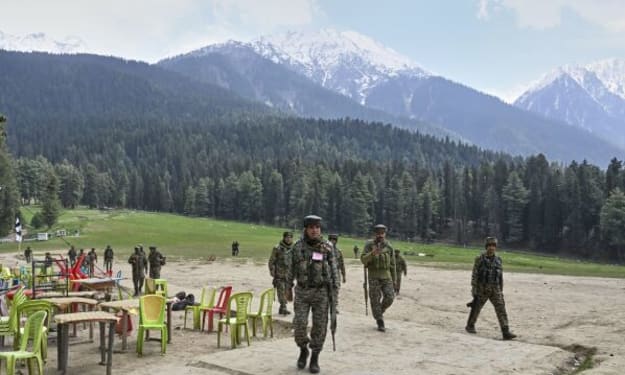
India-Pakistan Tensions Escalate After Deadly Pahalgam Terror Attack A deadly terrorist attack in Pahalgam, Jammu and Kashmir, on April 23, 2025, has pushed India and Pakistan into one of their most serious diplomatic crises in years. The attack claimed the lives of 26 individuals—most of them Indian tourists—and left over 20 others injured. The militant group Kashmir Resistance, which has alleged ties to the Pakistan-based Lashkar-e-Taiba, has claimed responsibility for the assault.
By Hazrat Mir9 months ago in Journal
The Mobile Model Nutrition Blueprint with Cesar Alcantara
The modeling profession demands adaptability, discipline, and resilience. Behind the polished images and effortless poses is a lifestyle that often includes early mornings, late nights, frequent flights, and intense photo shoots. Nutrition plays a central role in how well a model performs under these conditions. A healthy diet is not simply about aesthetics. It is about sustaining energy, protecting long term health, and staying mentally sharp in a fast moving industry. Experts such as Cesar Alcantara emphasize that models who prioritize smart nutrition are better equipped to thrive while constantly on the road.
By Cesar Alcantaraa day ago in Journal


Comments
There are no comments for this story
Be the first to respond and start the conversation.