
Advantages of Using Monoclonal Antibodies Over Polyclonal Antibodies in Research
Why Monoclonal Antibodies Are the Gold Standard in Research: Accuracy, Reproducibility, and Cost-Efficiency Explained

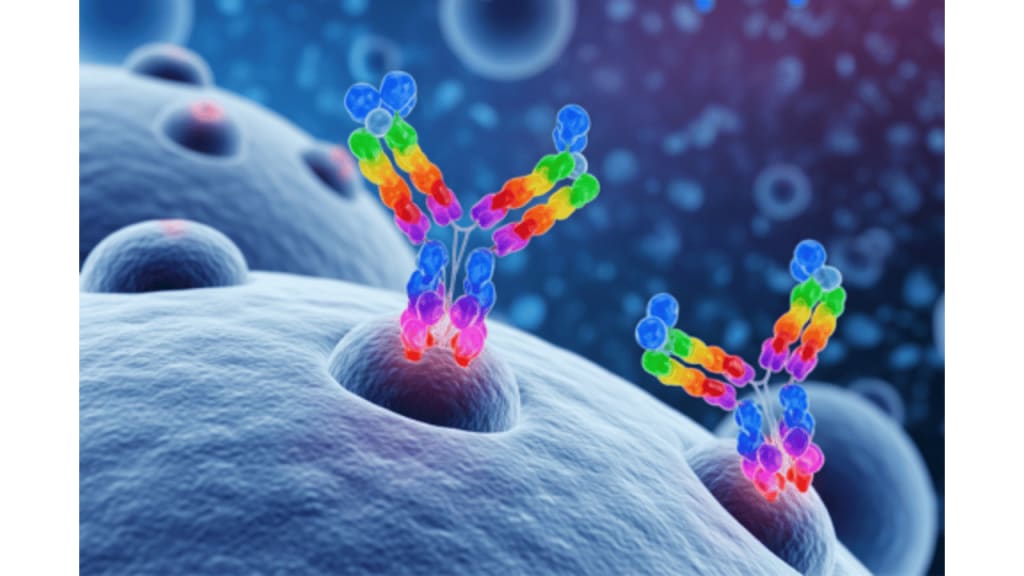
Antibodies, also known as immunoglobulins (Ig), are Y-shaped proteins. These are produced by the immune system to identify and neutralize foreign substances, like bacteria, viruses, and harmful cells.
When it comes to research, scientists use antibodies to identify, quantify, and study specific proteins in cells and tissues, which can lead to infections, inflammation, or disease. The levels of proteins help decide whether a disease is present, how it is progressing, and if the treatment or therapy is working. That is why it is crucial to detect the accurate level of protein in a biological sample.
However, not all antibodies are designed for all types of research applications. Choosing the right antibodies is crucial to get accurate results.
Based on production method and colonality, antibodies are categorized into two types: monoclonal antibodies (mAbs) and polyclonal antibodies (pAbs).
What are Monoclonal and Polyclonal Antibodies?
Monoclonal antibodies are derived from a single B-cell clone. They recognize and bind to a single epitope of the target antigen. That is why they have high specificity.
On the other hand, polyclonal antibodies are produced by different B-cell clones. They recognize and bind to multiple epitopes of the target antigen. They are known for high sensitivity.
However, polyclonal antibodies lack specificity and show batch-to-batch variability. So, they are not ideal for experiments where precision and reproducibility are required. At times, scientists prefer using mAbs for their experiments.
What are the Benefits of Using Monoclonal Antibodies Over Polyclonal Antibodies?
High Specificity
Since mAbs recognize only a single epitope, they have high specificity. They don’t bind to similar other proteins in a sample. This is valuable, especially when working with complex biological samples where there are chances of cross-reactivity, as it can lead to inaccurate results.
For instance, in cancer biology, different proteins may have similar structures. At times, mAbs can bind to the same epitopes of the target protein. This helps scientists to differentiate between different types of proteins present in the sample.
NME2, also known as NM23-H2, plays an important role in cell growth and metastasis. At times, scientists use an anti-NME2 antibody to study tumor progression. This antibody detects NME2 in tumor samples precisely without any background noise due to its high specificity. This further helps to understand the cancer development and evaluate potential treatments.
High Reproducibility and Consistency
mAbs are produced from immortalized cell lines. It means the same antibody can be produced indefinitely without any variation. As a result, this helps scientists ensure that every batch of antibody has the same binding properties. This leads to highly reproducible results over time and across different experiments.
On the other hand, pAbs are produced by immunizing animals. The antibody mixture is collected from the sample, which can vary from host to host. In fact, even if the antibodies are collected from the same host, there can be slight differences between antibodies. So, different batches of pAbs show inconsistency, which can further compromise the experimental results.
Low Background Signal
One of the key uses of monoclonal antibodies in research is their ability to provide clean and reliable results in immunoassays. mAbs bind to specific targets. So, they don’t produce background noise during assays. This makes it easier to interpret results from experiments, such as ELISA, WB, IHC, etc.
But when it comes to pAbs, they recognize multiple epitopes and have a high chance of non-specific binding. This leads to background noise, which can further lead to incorrect results.
Cost Efficient
Although mAbs have a high upfront cost in production, they offer significant value, especially in the long run. This is because they eliminate the need for repeat experiments or batch testing. This not only saves time but also resources. So, for high-throughput labs or long-term projects, mAbs can turn out to be a cost-effective solution.
In contrast, pAbs are less expensive initially, but they can lead to inconsistent results due to batch-to-batch variability. This requires repeat cycles of testing to validate the results. This can make the process both time-consuming and costly.
The Bottom Line
Now that you know why mAbs are better than pAbs, what are you waiting for? Find a reliable supplier who can provide you with high-quality monoclonal antibodies to support your research and experiments.
About the Creator
Mia Bella
A beauty enthusiast and expert, Mia Bella is dedicated to sharing the latest trends, tips, and product reviews. With a passion for skincare and makeup, she empower others to enhance their natural beauty and confidence.
Author’s Advice
If you would’ve asked me 20 years ago did I know I’d become a writer and an author, I would’ve said “nope, ain’t happening”. As fate would have it I did become an author and I can honestly say I’m loving it so far. It really does feel good to be a writer. I’ve learned a lot on this journey and I feel like with even me being as new to this world as I am, there’s some wisdom I need to share with every other aspiring author.
By Joe Patterson5 days ago in Journal
Trump Says Global Coalition Will Send Warships to Reopen Strait of Hormuz
A major escalation in the ongoing Iran conflict is unfolding as former U.S. President Donald Trump announced that multiple countries may deploy warships to protect commercial shipping through the Strait of Hormuz — one of the world’s most critical energy chokepoints.
By Navigating the Worlda day ago in Journal




Comments