
Achieve Excellence in Performance with Bearing Fit Tolerance
Find the crucial reasons for the bearing fit tolerance and its importance in bearing performance. Know the factors affecting the bearing fit tolerances for durability.

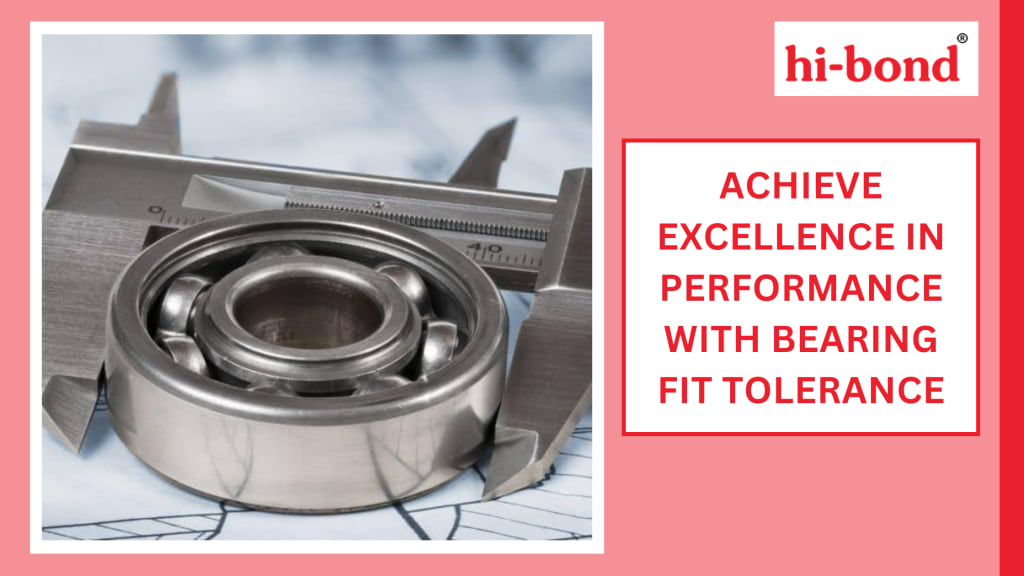
Precision and accuracy are paramount in the latest innovations in mechanical engineering and advanced machinery. The smooth operation of machines with higher friction resistance is essential for achieving higher efficiency and maximum performance.
Whether you are designing machines, working in a manufacturing unit, or involved in any process where mechanical components interact, understanding the concept of bearing fit tolerance is essential. In addition, your equipment's performance, longevity, and efficiency rely heavily on how well these components fit together.
When bearings are purchased from a reputed bearing manufacturer, they often deliver quality for high performance and have maximum durability. This blog discusses the importance of bearing fit tolerance, how it affects machinery and equipment performance, and the best practices for achieving optimal bearing functionality.
What is Bearing Fit Tolerance?
Bearing fit tolerance measures how tightly or loosely a bearing fits onto a shaft or within a housing. Installing these crucial mechanical components is critical as they affect the machinery’s operational performance and lifespan.
The correct fit ensures that the mechanical component remains secure during operation without excessive movement, which could lead to premature wear, overheating, or even catastrophic failure.
Primarily, there are three types of fits in the bearing applications:
- Interference Fit (Tight/Fit): In this type of fit adjustment, the bearing is slightly larger than the shaft or housing, requiring force to assemble. This fit is also used when the bearing needs to stay firmly in one place, resisting any movement that could adversely affect its entire performance.
- Transition Fit (Medium Fit): This parameter allows for slight interference or clearance between the entire bearing, shaft, or housing. It often provides a balance, allowing for movement while maintaining sufficient quality and stability.
- Clearance Fit (Loose Fit): This is the primary loose fit, in which the mechanical element is slightly smaller than the shaft or housing. This process allows for easy assembly and some movement, which is ideal when the tiny mechanical component needs to be easily replaced or removed.
The choice between these fits depends heavily on several factors, including the type of load, operating conditions, and the applications that need precision and accuracy.
Why Bearing Fit Tolerance Matters?
Bearing fit tolerance is crucial for higher performance and accuracy in machinery operations. There are some key reasons why getting it right is essential.
Optimizing Load Distribution For Improved Performance
Proper fit ensures the load is evenly and effectively distributed across the bearing. If the load is too tight or loose, it can cause uneven distribution, increasing stress on certain parts of the bearing and reducing its lifespan.
Reducing Vibration and Noise for Smoother Operations
Bearings with incorrect fit tolerances can also cause excessive vibration and noise, affecting the machinery’s performance and indicating potential failure. In addition, a precise fit minimizes and reduces these issues, contributing to smoother and quieter operation.
Effective Temperature Control Strategies for Bearings
Too-tight bearings can cause increased friction, resulting in higher operating temperatures. This function can degrade the lubricant and cause the mechanical element to overheat, resulting in damage. In contrast, a loose fit can cause misalignment and excessive wear, resulting in higher temperatures. Moreover, achieving the correct fit helps maintain maximum temperature conditions.
Preventing Bearing Deformation
Bearing deformation occurs when a bearing slowly rotates relative to its seat on the shaft or in the housing. This unique movement can cause sudden wear and tear on the mechanical element and its surrounding components, resulting in premature bearing failure. In addition, the proper fit tolerance helps prevent and avoid this unwanted movement.
Simplifying Maintenance for Long-Lasting Bearing Efficiency
While tight fits provide stability, they can make maintenance and replacement more complex and challenging. In contrast, a loose fit may simplify maintenance but could compromise performance.
Choosing the appropriate tolerances provides a balance between bearings from a reliable bearings and bushes supplier, ensuring that maintenance is manageable without sacrificing the integrity of their performance.
Different Factors Influencing The Bearing Fit Tolerance
Various factors are essential when deciding the appropriate bearing fit tolerance for a specific application. Understanding these critical factors can help make informed decisions and achieve the best results.
Understanding Load Type and Direction for Optimal Bearing Selection
The nature of the bearing load, whether axial, radial, or a combination of both. Bearings subjected to high radial loads might need a tighter fit to prevent sudden rotating movement. Those under primarily axial loads might benefit from a loose fit for slight adjustments.
How the Operating Environment Impacts Bearing Performance
Varying environmental conditions such as humidity, temperature, and contaminant exposure, can influence the choice of this parameter related to the tolerance of bearings. For example, in high-temperature environments, materials expand, so a slightly loose fit may be necessary to support thermal expansion.
The Role of Material Properties in Bearing Durability
Different materials used in the mechanical components, shaft, and housing can primarily affect how they operate and interact under different conditions. For example, materials with high thermal expansion coefficients might need special consideration while deciding on fit tolerance.
Maximizing Efficiency with the Right Speed of Operation
High-speed applications often demand more precise tolerance levels of mechanical components to reduce the risk of noise or vibration. The centrifugal forces at high speeds can also affect the fit, so it is essential to account for these forces during the design phase.
Best Practices for Bearing Installation and Maintenance
The simplicity of bearing installation, assembly, disassembly, and maintenance also plays a vital role in choosing or selecting the proper bearing tolerance fit. If frequent maintenance is expected, a loose fit is more practical, even if it means accepting some performance trade-offs.
Best Practices for Achieving Optimal Bearing Fit Tolerance
You should follow the best practices to achieve your bearings' best performance and longevity.
Precision Matters
Precision is necessary when machining the shaft and housing to ensure they meet the required dimensions. Advanced, high-quality tools and measurement techniques can help achieve these mechanical components' essential and desired tolerance levels.
Why You Should Always Consult Manufacturer Guidelines
Bearing manufacturers often provide specific recommendations for these potential parameters based on the application. Consulting these guidelines can help avoid these errors and ensure that these mechanical components are installed correctly and precisely.
Taking a Systematic Approach
When examining and determining its tolerance, consider the entire system, including the shaft, housing, and any other interacting components. This proactive approach helps identify potential issues that need to be addressed while considering each element in isolation.
Ensuring Reliable Bearing Performance
Before finalizing the design, conduct and execute different tests to validate this unique parameter under practical conditions. It can help identify and modify any adjustments required to optimize performance.
The Importance of Regular Monitoring and Maintenance
Even with the correct tolerance level in bearings, regular monitoring and maintenance are essential to ensure continued performance. This best practice includes checking for accurate signs of wear, vibration, and temperature changes that could indicate potential issues with this parameter.
Get Higher Machinery Performance With Right Bearing Fit Tolerance
Understanding and applying the correct bearing fit tolerance is closely related to achieving excellence in machinery performance. By carefully considering vital factors, including environment, load, material properties, and operating conditions, you can select the suitable bearing tolerance for your application.
Adopting the best measurement, machining, and maintenance practices will ensure that your mechanical components perform exceptionally. This process will improve efficiency, reduce downtime, and extend equipment life.
Including the suitable selection of this parameter is about meeting specifications and improving your machinery's overall performance and reliability.
Partnering with the correct bearings and bushes suppliers and applying proper fit tolerance is a step towards achieving engineering excellence, which will ultimately generate funds.
About the Creator
Learning to Surrender Control to God
Surrender is one of the most misunderstood ideas in the Christian life. For many people, the word itself triggers resistance. It sounds passive, frightening, or even irresponsible. We are taught to plan carefully, protect ourselves, and stay in control. Faith, however, introduces a different way of living, one that asks us to loosen our grip and trust Someone beyond ourselves.
By Sound and Spirit4 days ago in Journal


Comments
There are no comments for this story
Be the first to respond and start the conversation.