
A Comprehensive Guide to Preventing Bearing Corrosion
Prevent bearing corrosion with proper seal, lubrication, storage, and maintenance. Know essential tips to extend bearing life and keep machinery running smoothly.

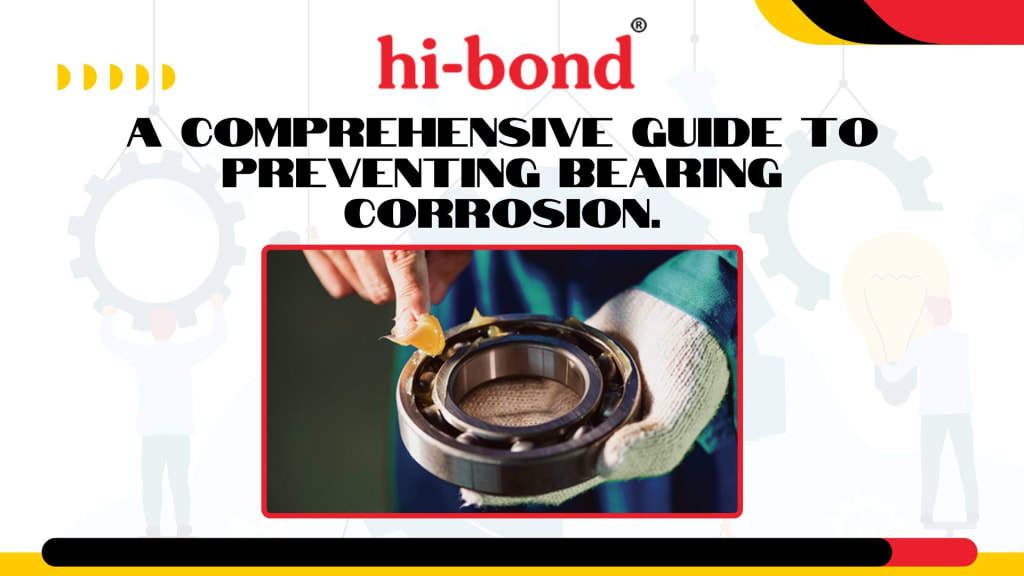
Bearings play a crucial role in keeping machines running smoothly, but corrosion can silently damage them, leading to rust, cracks, and costly failures. Corrosive environments can quickly wear down steel components like linear rails, shafts, and ball screws.
Although stainless and chrome steel bearings are designed to resist corrosion, they are not completely immune. Improper storage, high humidity, and condensation can still lead to rusting. When rust appears, it’s often too late to save the bearing, leading to expensive replacements and downtime. That’s why prevention is key to avoiding these issues.
A reliable bearing manufacturer not only provides high-quality corrosion-resistant bearings but also offers expert guidance on proper maintenance and storage.
This guide explores the causes of bearing corrosion and the most effective ways to protect them, helping you extend their lifespan and keep your machines in top condition.
Understanding Bearing Corrosion
Bearing corrosion, often called rusting, is a natural chemical or electrochemical reaction that happens when metal bearings react with moisture, air, or chemicals. This weakens the bearings over time, causing wear and failure. While corrosion is natural, it speeds up in humid conditions or when water gets into the system due to poor sealing.
Bearing rollers and raceways, which have smooth polished surfaces, are especially at risk. Corrosion can also form in unused areas. Rust often appears as yellow or reddish-brown stains and, if left unchecked, can lead to deep-seated damage, flaking, cracks, and failure. Corrosion can also result from tiny vibrations, known as fretting corrosion, which affects load distribution and weakens the bearing over time.
Common Causes of Bearing Corrosion
Some of the most common corrosive environments include:
- High-pressure washdowns – Cleaning solutions and excessive water exposure can strip protective coatings.
- Acidic and chemical vapors – Found in food processing plants and chemical industries, these vapors accelerate rust formation.
- Humidity and condensation – Poor storage conditions can cause bearings to corrode before they’re even in use.
- Dirt and contaminants – Even small particles can react with moisture and lead to pitting and rust.
- Loose fits and improper installation – This can cause fretting corrosion, damaging the bearing’s support and load balance.
Best Ways to Prevent Bearing Corrosion
Since corrosion is difficult to reverse, prevention should be the top priority. Here are a few proven methods to protect your bearings:
1. Choose Corrosion-Resistant Bearings
Not all bearings resist moisture and chemicals equally. Stainless steel, chrome steel, and hybrid ceramic bearings offer better protection against rust.
- Stainless steel performs well, even in tough conditions like marine environments with saltwater exposure.
- Hybrid bearings, with ceramic balls and stainless-steel races, provide even greater corrosion resistance while improving speed and durability.
- Special coatings and platings can add an extra layer of protection in harsh settings.
A trusted bearing manufacturer can provide high-quality, corrosion-resistant bearings for specific environments.
2. Use Proper Seals and Lubrication
Tight seals prevent water, dust, and chemicals from penetrating the bearing. In highly corrosive conditions, opt for high-quality seals designed to block out moisture.
Lubrication is essential for preventing wear and corrosion. Choose a lubricant suited to your application. Some environments require food-grade grease, while others may need high-temperature or water-resistant options. Water-resistant grease forms a protective barrier, reducing friction and keeping contaminants out. For washdown environments, grease is preferred over oil since it stays in place better.
Reapplying lubricant regularly creates a protective barrier against moisture and contaminants. Be sure not to over-grease, as excess lubricant can create new issues.
3. Handle and Store Bearings Correctly
Rust can form even before installation if bearings are not stored properly. Even before bearings are installed, poor storage can lead to rust. Follow these steps to keep them in top condition:
- Store bearings in a dry, climate-controlled area.
- Keep them in their original packaging until use.
- Avoid touching bearings with bare hands, as oils from the skin can cause corrosion over time.
- Use vacuum-sealed packaging for long-term storage.
4. Minimize Liquid Exposure and Maintain a Dry Environment
Humidity and direct contact with liquids accelerate rust. Use drip shields and splash guards to reduce exposure. In industrial settings, controlling humidity levels has cut rust incidents by 40%.
5. Regular Maintenance and Inspections
Routine checks can help detect early signs of corrosion before they lead to failure. Make sure to:
- Inspect bearings for discoloration, rough surfaces, or greyish-black streaks on raceways.
- Clean bearings and surrounding areas to remove dirt, chemicals, and moisture buildup.
- Replace any bearings showing signs of rust before they cause larger issues.
For extra protection, you can also:
- Apply rust inhibitors—they can extend bearing life by 25% in harsh conditions.
- Use dust covers and seals—these reduce rust issues by 25% in outdoor settings.
- Keep bearings in regular use—this prevents stagnant conditions that lead to rust.
- Clean bearings regularly using soaking, brushing, or spray methods to remove rust and contaminants.
By choosing the right materials, protecting bearings with seals and lubrication, and following proper storage and maintenance practices, you can prevent corrosion and keep your machinery running smoothly.
Prevent Bearing Corrosion and Have a Smooth Running Machine with Quality Bearings from Reliable Bearing Manufacturer
Bearing corrosion is a costly problem, but with the right precautions, it’s entirely preventable. Investing in high-quality bearings from a reputable bearing manufacturing company, following proper storage guidelines, using suitable lubrication, and conducting regular maintenance can help extend the life of your bearings.
By taking these steps, you’ll reduce downtime and lower repair cost. Also learn about future trends in bearings to keep your machinery running smoothly for years.
About the Creator
Inside a Policy Limit Investigation: Process, Purpose, and Pitfalls
Insurance claims can be complex, especially when the potential damages approach or exceed the policy limits. In such cases, insurers often initiate a policy limit investigation, a critical process designed to determine whether a claim should be settled within the policy limits or if additional considerations, including litigation risk, must be addressed.
By Addison Jons6 days ago in Journal


Comments
There are no comments for this story
Be the first to respond and start the conversation.