
Options Traders Are Pricing in ‘Disaster’ as Iran Conflict Intensifies
How Investors Might Profit from Rising Market Volatility
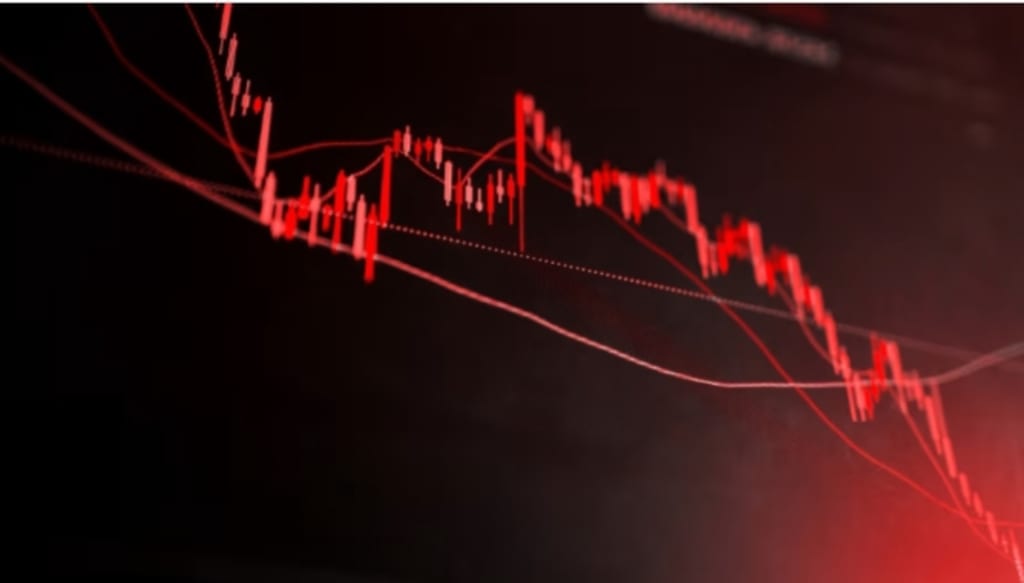
Geopolitical tensions surrounding Iran are rattling financial markets, with options traders increasingly signaling expectations of extreme market moves. Market participants are pricing in a so-called “disaster” scenario, reflecting fears that energy disruptions, inflation spikes, and broader economic instability could follow from the conflict.
For investors, these conditions present both risk and opportunity. Understanding how options markets interpret volatility — and how specific trading strategies can benefit — is now critical.
Why Options Traders Are Nervous
Options give investors the right, but not the obligation, to buy or sell assets at predetermined prices. They’re widely used to hedge against risk or speculate on market direction. When traders anticipate severe downturns, they often buy protective puts, or use other strategies designed to benefit from volatility.
A spike in the Volatility Index (VIX) — known as Wall Street’s “fear gauge” — has accompanied the Iran conflict, signaling trader anxiety about large, sudden market swings. Such movements often occur when geopolitical crises threaten critical economic channels, like energy supply routes.
Iran Conflict Driving Market Anxiety
The heightened fear in options markets is tied directly to the impact of the Iran conflict on global energy and trade:
Military activity around the Strait of Hormuz threatens oil shipments, a crucial chokepoint for global energy supply.
Oil prices have surged past $100 per barrel due to supply disruption concerns.
Rising energy costs can drive inflation, reduce corporate profits, and slow consumer spending.
This environment creates conditions where traders expect extreme price swings, making protective and speculative options more valuable.
Strategies Investors Are Using
Traders have several tools to potentially profit or hedge in this environment:
1. Buying Puts
Puts give holders the right to sell an asset at a fixed price, providing insurance against market declines. Investors buy puts on indexes like the S&P 500 to hedge long positions, mitigating losses if equities drop sharply.
2. Volatility Calls
Rising volatility makes call options on indexes like the VIX attractive. If fear and market swings increase, these options gain value, offering a direct way to profit from market turbulence.
3. Spread Strategies
Traders may use spreads — combinations of options at different strike prices or expirations — to capture movement regardless of direction. Examples include straddles, strangles, or calendar spreads, which can benefit from higher-than-expected volatility.
4. Energy Sector Options
Options on oil ETFs or energy stocks provide a targeted approach. As crude prices surge due to geopolitical risk, call options in the sector can rise in value, offering profits tied to energy market movements.
Risks to Consider
While options offer opportunities, they also carry substantial risks:
Time decay: Options lose value as expiration nears.
Leverage: Gains and losses can be amplified.
Market timing: Sudden geopolitical events can cause rapid, unpredictable swings.
Investors should diversify positions, define maximum risk exposure, and seek guidance if using complex strategies.
Broader Market Implications
The options market reflects wider financial stress:
Stocks and bonds react to uncertainty, with risk-off sentiment driving flows into safe-haven assets like U.S. Treasuries and gold.
High energy prices strain corporate and consumer budgets, potentially slowing economic growth.
Companies in sectors like shipping or cybersecurity may benefit or remain resilient during market turbulence.
Understanding these interactions helps investors contextualize options positioning and adjust strategies accordingly.
Turning Fear into Opportunity
Despite market anxiety, options strategies can provide hedging and profit potential. Protective puts, volatility calls, and targeted energy plays allow investors to manage risk while capitalizing on market moves.
The key lies in combining informed market analysis with disciplined risk management. Recognizing the signals that options traders are sending — like spikes in implied volatility and heavy demand for protection — allows investors to navigate uncertainty effectively.
Conclusion
As the Iran conflict continues to escalate, financial markets are pricing in severe disruption, and options traders are adjusting strategies to account for extreme risk. While this environment carries significant uncertainty, it also creates opportunities for savvy investors who understand how to use options to hedge or profit.
By closely monitoring volatility, energy market trends, and geopolitical developments, investors can make informed decisions and potentially benefit even in times of market stress.
Related Reading:
Options traders are pricing in ‘disaster’ as Iran conflict intensifies�
Crude Oil Prices Rally Despite Emergency Inventory Release�
ASX sell-off intensifies as investors brace for oil shock�
Oil Futures and the Strait of Hormuz�
US Iran Conflict Drives Oil Prices Past $90�
About the Creator
Why SEO Matters for Real Estate Agencies in Miami and How It Drives Growth
In Miami’s real estate world, opportunity and competition exist side by side. From waterfront condos in Brickell to historic homes in Coral Gables, buyers and sellers are constantly searching for the right agent. But what separates the firm that gets noticed from the one that doesn’t isn’t just listings, experience, or pricing — it’s visibility.
By Branding Miami6 days ago in Journal




Comments
There are no comments for this story
Be the first to respond and start the conversation.