
A Path to Wellness and Vitality for Modern Living
Massage

Modern society is evolving rapidly with advancements in technology. However, this progress, while bringing convenience, also casts shadows of stress and fatigue over many individuals. Prolonged working hours and excessive use of smart devices may make our lives easier, but they also impose significant physical and mental strain. Maintaining a fixed posture while working or spending long hours on smartphones often leads to chronic pain in specific areas like the neck, shoulders, and back. These physical problems can escalate beyond mere discomfort, diminishing quality of life and even leading to severe health issues.
Mental stress is also an inescapable aspect of daily life for modern individuals. Constant competition and societal pressures expose us to workplace demands, academic burdens, and personal concerns, making it easy to lose psychological stability. Such stress frequently results in insomnia, chronic fatigue, weakened immunity, and even mental health conditions like depression. Addressing these issues requires more than temporary relief; it calls for methods that fundamentally nurture both body and mind.
In this context, massage has emerged as a significant solution for modern challenges. Massage goes beyond merely providing comfort to the body—it deeply relaxes muscles and tissues, alleviates tension, promotes blood circulation, and fosters simultaneous physical and mental healing. Scientific studies have demonstrated that massage effectively reduces cortisol levels, the hormone associated with stress, while enhancing the production of serotonin and endorphins, often referred to as happiness hormones.
Notably, massage is not confined to short-term fatigue recovery but serves as a long-term aid in maintaining physical balance and health. Proper massage practices contribute to managing chronic pain, enhancing athletic performance, strengthening immunity, and improving sleep quality, among other health benefits.
The Concept and Types of Massage
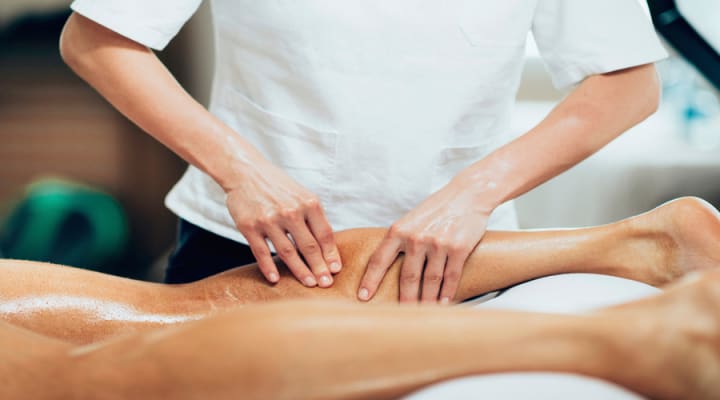
Massage is a professional therapeutic practice that involves applying physical pressure to the muscles and tissues to relieve tension and restore physical balance. Used since ancient times, massage has evolved with scientific foundations and advanced techniques, making it more systematic in modern times. Beyond simple fatigue recovery, massage offers multifaceted benefits such as stress relief, improved blood circulation, and enhanced immunity. It is particularly effective in addressing modern issues like muscle tension and postural imbalances. These effects are more pronounced depending on the type of massage, which can be selected based on the purpose and the individual's physical condition.
Swedish Massage
Swedish massage is the most common and foundational type of modern massage therapy. It combines gentle strokes with firm pressure to relax muscles and stimulate lymphatic circulation. Swedish massage is especially suitable for relieving everyday stress and alleviating mild muscle soreness. The technique generally starts from the surface of the skin, gradually working into deeper layers to promote full-body relaxation. It is also used as a recovery massage before and after physical activities, improving blood flow and increasing muscle flexibility. This makes it an ideal choice for those seeking harmony between body and mind.
Deep Tissue Massage
Deep tissue massage targets the deeper layers of muscle and connective tissues, making it highly effective for individuals suffering from chronic muscle pain or joint issues. Using firm pressure, it focuses on releasing tight muscle tissue and adhesions. This type of massage is particularly beneficial for relieving tension and pain caused by repetitive movements or poor posture. It is recommended for athletes and people with physically demanding routines and is often used in rehabilitation for muscle injuries. However, because of its intensity, it is essential to consult with a professional before trying this massage for the first time.
Aromatherapy Massage
Aromatherapy massage combines the use of fragrant essential oils with massage techniques to promote physical relaxation and psychological comfort. Depending on the oil used, it can have various effects—lavender oil, for instance, helps reduce stress and improve sleep, while eucalyptus oil enhances respiratory health and boosts immunity. Aromatherapy massage is especially suitable for those dealing with high stress levels or emotional exhaustion. The gentle touch paired with the active ingredients of the oils absorbed through the skin, along with the aroma stimulating the sense of smell, helps restore balance to the body and mind.
The Effects of Massage
1) Stress Relief
In today’s society, stress is a major cause of chronic fatigue and mental health issues. Massage is a highly effective tool for alleviating stress. It relaxes muscle tension, stabilizes heart rate, and reduces the secretion of cortisol, the stress hormone. Additionally, it stimulates the nervous system to release chemicals like endorphins and serotonin, which promote positive feelings and emotional stability. This process helps create a sense of relaxation and reduces stress levels. Swedish massage or aromatherapy-based massage, in particular, can enhance both physical and mental relaxation, making it an excellent choice for stress management.
2) Improved Blood Circulation
Improving blood circulation is one of the most immediate and significant effects of massage. Massage applies appropriate pressure to muscles and tissues, facilitating blood flow and ensuring oxygen and nutrients are effectively delivered to every cell in the body. Techniques like deep tissue massage, which applies intense pressure to deeper muscle layers, are particularly effective at addressing chronic circulation problems. Massage also stimulates lymphatic flow, which plays a crucial role in eliminating toxins and waste from the body. This is why individuals often feel lighter and less fatigued after a session. Enhanced circulation improves the overall function of the body, contributing to a healthier and more active lifestyle.
3) Immune System Boost
Massage has a positive impact on the immune system as well. Research shows that regular massage therapy activates the lymphatic system and increases the activity of immune cells. By improving lymphatic flow, massage helps the body more effectively defend against infections and viruses. It also lowers stress hormone levels and helps regulate the body’s inflammatory response. These processes work together to enhance immunity and improve the body’s resistance to illnesses. The physical and mental relaxation provided by massage ensures the immune system operates at its best, positioning massage not just as a means of relieving temporary fatigue but also as an essential tool for health promotion.
Precautions and Safe Use of Massage

Choose a Certified Professional
The effectiveness of a massage is directly linked to the expertise of the practitioner. Massages performed by unqualified individuals can cause physical harm due to improper pressure or techniques. This is especially concerning for sensitive areas where incorrect stimulation can worsen pain or lead to inflammation. In South Korea, it’s crucial to select professionals certified by reputable organizations such as the Korea Massage Association. These certifications ensure the practitioner’s technical proficiency and adherence to safety standards. Additionally, make sure the massage environment is clean and well-maintained. When selecting a professional, check for certifications and consider reviews or recommendations to ensure a safe experience.
Verify Your Health Condition in Advance
Massage is not suitable for everyone and may aggravate certain conditions. For instance, individuals with thrombosis are at risk of complications if a clot is dislodged during the session. Similarly, those with skin conditions or inflammation may experience worsened symptoms if the affected areas are stimulated. If you are pregnant, or if you suffer from chronic conditions like hypertension or heart disease, you should seek out professionals trained in prenatal massage or with medical expertise. Clear communication about your health condition is fundamental to ensuring a safe massage.
Avoid Overdoing It
Receiving massages with excessive frequency or intensity can be counterproductive. Overly strong pressure or prolonged sessions can strain muscles and joints, leading to pain or fatigue. Deep tissue massages, for example, can cause bruising or muscle inflammation if applied too forcefully. It’s generally recommended to have a massage once or twice a week, adjusting the frequency based on your individual needs and how your body responds. After your first session, observe your body’s reaction and modify the intensity or schedule accordingly. If you feel discomfort or pain during the massage, inform the practitioner immediately so adjustments can be made.
International Organizations Related to Massage Therapy
Massage therapy has become an essential element in pursuing health and well-being in modern society. As a result, various international organizations are dedicated to advancing standards and certification systems for massage therapy worldwide. These organizations aim to enhance the quality of the industry by offering diverse research and educational programs, fostering professional development, and raising public awareness. They play a pivotal role in positioning massage therapy not just as a wellness activity but as a professional tool for comprehensive health management.
International Massage Association (IMA)
The IMA is a leading organization focused on strengthening the global network within the massage industry. It shares the latest trends and research findings with professionals and establishes international standards to enhance the credibility and quality of massage therapy. The association also offers certification programs to recognize members' expertise and organizes global conferences and workshops to facilitate networking among industry practitioners. By conducting research on the impact of massage on health and well-being, the International Massage Association significantly contributes to developing more scientific and systematic approaches to therapy.
American Massage Therapy Association (AMTA)
The AMTA is one of the oldest and most trusted associations in the field of massage therapy. It plays a pioneering role in establishing ethical practices and industry standards. Through its educational programs and certification systems, the AMTA equips its members with the latest skills and knowledge, promoting public awareness of the benefits and importance of massage therapy. The association provides continuous learning opportunities for members to enhance their professionalism and focuses on scientifically validating the health benefits of massage therapy.
International Myopain Society (IMS)
The IMS is a research institution specializing in trigger points and myofascial pain management, exploring how massage therapy can contribute to pain relief. This society publishes the latest research on trigger points, develops effective treatment methods, and shares them with professionals worldwide. It strengthens therapists’ expertise through academic journals and educational programs, presenting innovative approaches to pain management. By highlighting the therapeutic potential of massage therapy, the IMS establishes it as a vital tool for pain treatment rather than just a relaxation technique.
International Federation of Aromatherapists (IFA)
The IFA is a leading organization with expertise in integrating aromatherapy and massage. It studies the therapeutic use of essential oils and their synergy with massage techniques to improve physical and mental health. The IFA operates training and certification programs for professionals, promoting standardization in massage techniques that incorporate aromatherapy. By providing a scientific foundation for natural healing and well-being, the International Federation of Aromatherapists demonstrates ways to maximize the effectiveness of massage therapy through aromatherapy. It plays a crucial role in driving innovation and professionalism in the massage industry.
Frequently Asked Questions (FAQ)

Q1. What should I be mindful of before and after a massage?
A1. Proper preparation and post-care are essential for maximizing the benefits of a massage. Before a massage, drink plenty of water to keep your body hydrated and ensure smooth circulation. It’s also recommended to eat lightly to avoid discomfort during the session. Avoid alcohol and heavy meals prior to the massage for optimal results. After the massage, your body is in a relaxed state, so take time to rest and hydrate with warm water to help flush out toxins from your system. Avoid engaging in intense physical activities immediately after the session, as this can strain your muscles. Incorporating light stretching and adequate rest will help prolong the benefits of the massage and improve your overall well-being.
Q2. How often should I get a massage?
A2. The frequency of massages depends largely on your health condition, lifestyle, and the purpose of the massage. For general stress relief and relaxation, 1–2 sessions per week are usually sufficient. If you are addressing chronic pain or undergoing rehabilitation, you should consult a professional to determine the optimal frequency. Excessive massages may overstimulate the muscles and tissues, so it’s important to maintain a balanced schedule. Those with specific conditions like disc problems or persistent pain should work with a physical therapist or medical professional to develop a tailored treatment plan. Regularly assess your body’s response and adjust the frequency as needed to maintain long-term health and well-being.
Q3. Can pregnant women receive massages?
A3. Pregnant women can benefit from massages, but there are important precautions to consider. Prenatal massages should be performed by a professional experienced in pregnancy-specific techniques. Avoid massages during the first trimester (1–3 months) due to the higher risk of miscarriage. During the second and third trimesters, prenatal massages can help alleviate swelling, reduce muscle tension, and relieve stress. However, direct pressure on the abdomen or other sensitive areas should be avoided, and the massage should be performed in comfortable positions tailored for the mother. Always consult your obstetrician or healthcare provider beforehand to ensure it’s safe, and communicate any concerns or symptoms to the massage therapist during the session.
Conclusion
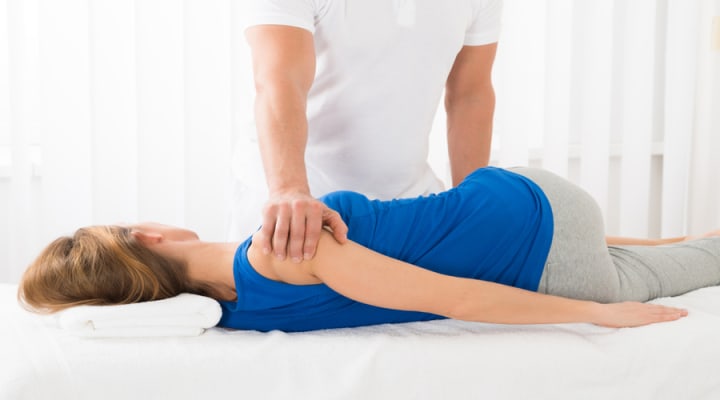
Massage is not just a luxury or a method of leisurely relaxation; it is a highly effective tool for maintaining and restoring both physical and mental health. In today’s fast-paced world, where stress and fatigue are commonplace, massage provides a practical solution by relieving muscle tension, promoting blood circulation, and fostering mental stability. Choosing the right massage goes beyond mere relaxation—it plays a pivotal role in improving overall quality of life. Understanding your physical condition and specific needs, and selecting a suitable massage accordingly, is essential. This can be achieved more effectively with expert guidance and reliable information.
When selecting a massage, it is critical to verify the expertise and credentials of the massage therapist, rather than relying solely on the techniques they offer. In South Korea, for instance, certified professionals recognized by organizations like the Korean Massage Therapist Association can be a trustworthy choice. Furthermore, it is equally important to stay hydrated and get adequate rest before and after a massage to maximize the benefits of the body’s natural recovery processes that the massage activates.
Finding the perfect massage tailored to your needs is the first step toward health and happiness. In this regard, Swedish massage is highly recommended as it excels in relieving muscle tension and promoting mental relaxation. To learn more about Swedish massage and other types of massage techniques, visit 스웨디시쏘. This platform provides expert guidance to help you find the ideal massage that suits your individual requirements and connects you with trusted professionals.
About the Creator
Olivia
Passionate about sharing knowledge, exploring information, and using technology to create solutions. Committed to continuous learning and innovation.


Comments