
A molecule has been discovered that could allow for early diagnosis of chronic kidney disease
This condition typically worsens slowly without symptoms. Now, Canadian researchers have identified a biomarker that could reflect the status of capillaries that filter waste and oxygenate the organ. The details

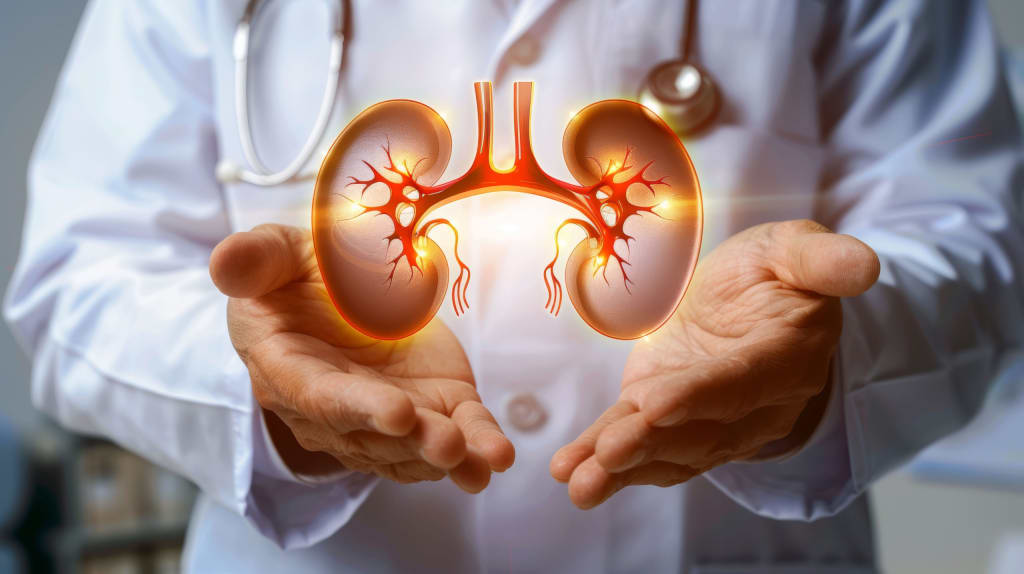
Chronic kidney disease is the slow loss of kidney function over time. The main job of these organs is to remove waste and excess water from the body, according to MedlinePlus, a U.S. National Library of Medicine study.
Its development is often silent, with symptoms appearing, in many cases, when the damage is already irreversible. This progressive and often invisible deterioration compromises the ability to filter waste, regulate fluids, and maintain vital functions.
Faced with this situation, a breakthrough achieved by researchers at the University of Montreal Hospital Center Research Center (CRCHUM) could redefine the way this condition is diagnosed and prevented.
The team of Canadian scientists identified a biomarker that allows for the evaluation of the condition of the renal capillaries, microscopic structures responsible for filtration and oxygenation of the organ. It is the microRNA miR-423-5p, a molecule that circulates in the blood and whose behavior reflects the health of the small blood vessels in the kidneys.
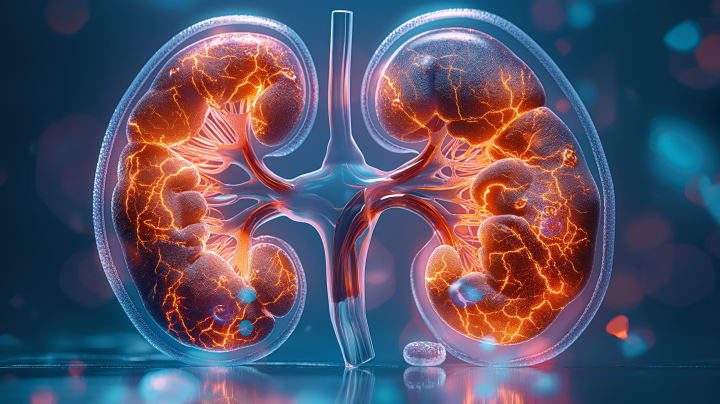
The research was published in the scientific journal JCI Insight and represents a key advance for patients with chronic kidney failure, organ transplants, or diseases associated with vascular loss, according to experts.
The discovery was led by medicine professors Marie-Josée Hébert and Héloïse Cardinal, along with researcher Francis Migneault, all members of CRCHUM and the University of Montreal. Their specialty is the study of peritubular capillaries, essential components of kidney structure whose loss indicates a progression toward failure.
"Using this biomarker, a test could be developed to assess the status of small blood vessels much earlier. Hospital physicians could then better assess the microvascular health of higher-risk patients," Hébert stated.
This type of damage occurs in various clinical situations, such as cardiovascular surgeries, transplants, or chronic diseases like diabetes. In some cases, acute injury can reduce the number of functioning vessels, accelerate the loss of kidney function, and lead to the end-stage of the disease, where patients become dialysis-dependent or require a transplant.
Until now, there was no specific biomarker indicating the true state of the renal microvasculature. This made both early diagnosis and the design of personalized therapeutic strategies difficult. miR-423-5p changes that scenario. According to the team, its levels vary in blood after kidney injury and can predict the degree of vascular damage before clinical symptoms appear. This finding was validated in an experimental mouse model and then confirmed in 51 kidney transplant recipients through the CHUM biobank.

Most significantly, according to the researchers, they found that the application of this microRNA not only allows for damage assessment but can also act as a therapeutic agent. “By injecting this microRNA into mice with kidney injuries, we were able to preserve small blood vessels and limit damage to the kidneys,” explained Migneault. This ability to protect capillaries during a surgical procedure, such as a transplant, opens new avenues for improving graft survival and preventing postoperative failure.
A biomarker with impact beyond the kidney
Although the discovery focused on kidney failure, its implications are much broader. The scientists suggest that a test based on miR-423-5p could be useful in patients with heart failure or diseases related to accelerated aging. “In these medical conditions, the loss of small blood vessels plays a key role, due to its association with normal or accelerated aging,” noted Hébert.
For her part, researcher Emmanuelle Brochiero is already working on new applications of the biomarker for lung diseases, while the CRCHUM team is studying more accessible administration alternatives than direct injection into the kidney. This research includes targeted delivery systems, such as molecular vehicles or microRNA cocktails that can reach the organ effectively and safely.
What is kidney failure
Kidney failure is a silent condition that may not show symptoms for years. “Diabetes and high blood pressure are the two most common causes and are responsible for most cases,” according to MedlinePlus.
As the kidneys lose filtering capacity, waste and fluids accumulate in the body, affecting multiple systems. Progression can lead to anemia, hypertension, bone loss, and persistent fatigue, among other symptoms.
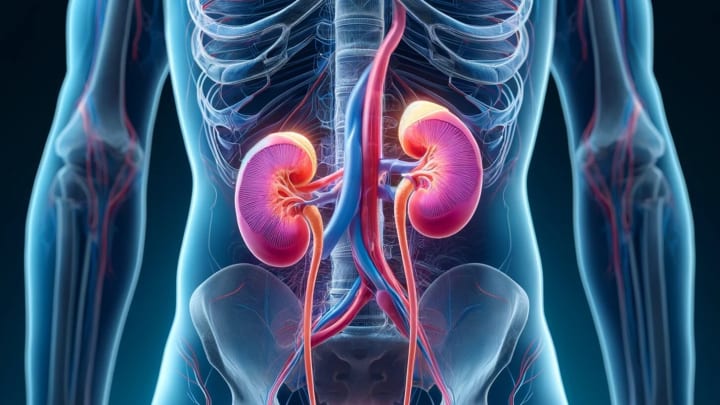
“Kidney disease is a condition that can progress progressively. Up to 80% of kidney function may have been lost, but symptoms are not recorded,” María Marina Papaginovic Leiva, president of the Argentine Society of Nephrology.
“Because they continue to urinate, patients believe their kidneys are functioning well. But these organs have different functions, and one of them is the ability to generate urine. In people with the disease, renal filtration is not effective in eliminating toxins through urine,” the expert explained.
Some of the symptoms in the more advanced stages may include:
Lack of appetite
Extreme thirst
Fatigue and anemia
Cramps
Swelling in the face and hands
Insomnia
Headache
The fact that the disease is often detected in advanced stages complicates its treatment. The possibility of having an early, vascular-specific diagnostic tool makes a substantial difference. This is particularly true because many current medical interventions aim to preserve precisely these small vessels, which are responsible for maintaining the kidney's structure and function.
This finding also has strategic value for healthcare systems. Being able to anticipate organ deterioration before symptoms appear allows for better care planning, reducing hospitalizations, and avoiding invasive treatments. The provisional patent application filed by the Canadian team points in this direction.
Although it will still take some time for this biomarker to be integrated into daily clinical practice, the results published in JCI Insight constitute a solid starting point.
To manage kidney disease, the Argentine Society of Nephrology advised following the 8 golden rules:
1. Maintain an active lifestyle: Regular physical activity helps control weight and reduce blood pressure.
2. Adopt a healthy diet: eat fruits and vegetables, reduce salt intake (5-6 grams per day), and lose weight.
3. Control your blood sugar: Diabetes is one of the main causes of CKD; monitoring it allows for timely action.
4. Check your blood pressure: High blood pressure damages the blood vessels in the kidneys, so controlling it is essential.
5. Drink enough water: Staying hydrated promotes proper kidney function.
6. Do not self-medicate: Excessive use of nonsteroidal anti-inflammatory drugs can damage the kidneys.
7. Avoid tobacco and alcohol: These habits increase the risk of kidney and cardiovascular disease.
8. Get regular checkups: Those with risk factors should have their kidney function checked regularly through blood and urine tests.
About the Creator
Omar Rastelli
I'm Argentine, from the northern province of Buenos Aires. I love books, computers, travel, and the friendship of the peoples of the world. I reside in "The Land of Enchantment" New Mexico, USA...
Keep reading
More stories from Omar Rastelli and writers in Journal and other communities.
17 Simple Ways to Take Care of Your Brain at Any Age
“Everything that's good for the body is good for the brain,” says neurologist Suzanne O'Sullivan, and with that in mind, a group of internationally renowned specialists shared 17 simple, science-backed recommendations for maintaining brain health and delaying cognitive decline.
By Omar Rastelli8 months ago in Journal
The goals I did not achieve
Every writing goal I made for the year is a wash. It has been this way for a while, but I think it's important to be open about my failures and the reality of how life can get in the way. This is especially true considering the several times I have posted on Vocal about my writing goals, how I was changing my approach, and where I was hoping to be for the upcoming year. I will probably do that again in a couple months, but for now, it is time to acknowledge where I am today.
By Kay Husnick22 days ago in Journal
Rightwingers of the World Unite to Endorse Orbán Ahead of Hungary’s Election
As Hungary gears up for its next parliamentary elections, Prime Minister Viktor Orbán has found support not just at home but across the global right-wing spectrum. From Europe to the Americas, conservative leaders, nationalist movements, and far-right political organizations are openly backing Orbán, citing his policies on national sovereignty, immigration control, and cultural conservatism as a model for their own agendas.
By Fiaz Ahmed Brohia day ago in Journal


Comments (1)
This research on chronic kidney disease is really interesting. It's amazing that they found a biomarker in the blood to evaluate kidney capillary health. I wonder how long it'll take for this to translate into a widely available test. Do you think it could also help in predicting other kidney - related issues early on?