
A Judge Has Ruled in a False-Advertising Lawsuit Over “Boneless Wings
The debate over menu wording sparks a wider conversation about consumer expectations and food marketing
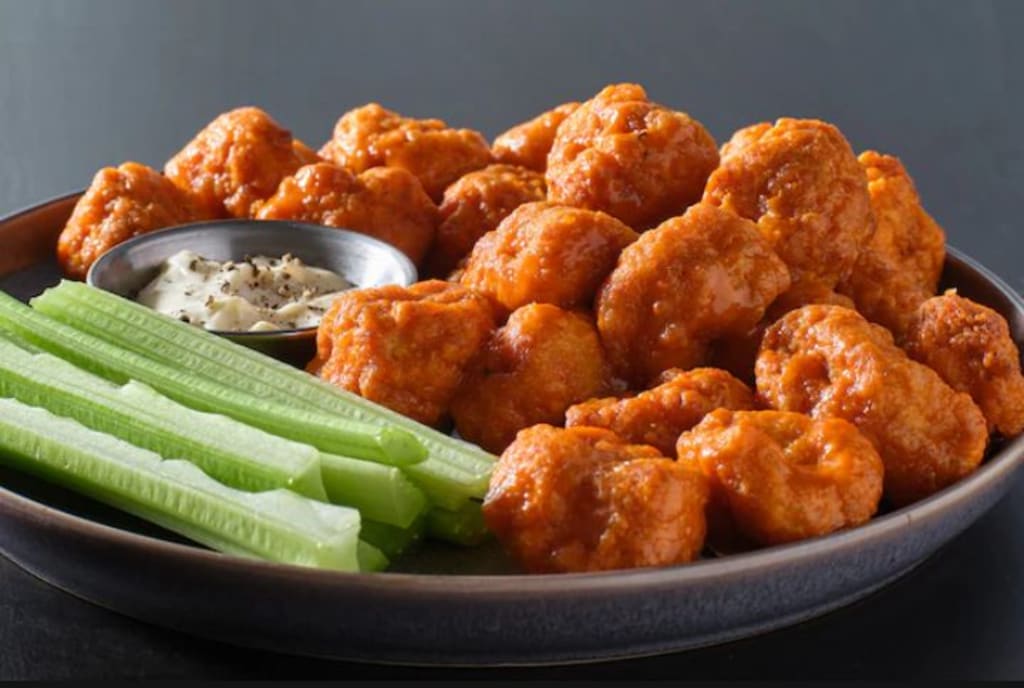
In a case that caught the attention of both food lovers and legal observers, a judge has ruled in a false-advertising lawsuit involving the popular menu item known as “boneless wings.” The lawsuit questioned whether the term misled customers into believing the dish was actual chicken wings with the bones removed rather than breaded chicken breast pieces. The ruling, which sided with the restaurant, highlights how language, consumer expectations, and marketing practices intersect in modern food culture.
The case centered on a complaint filed against Buffalo Wild Wings, a nationwide sports bar chain known for its wide range of flavored wings. The plaintiff argued that labeling breaded chicken chunks as “boneless wings” constituted deceptive advertising because the item was not made from traditional wing meat. The claim suggested customers might reasonably expect a wing — just without the bone — rather than a nugget-style product.
Understanding the Lawsuit
The lawsuit reflected a broader trend of consumers challenging how food products are labeled. At its core, the argument was simple: if something is called a wing, should it actually be a wing?
The plaintiff asserted that the terminology could influence purchasing decisions and that menu descriptions should clearly reflect the product’s origin. According to the complaint, customers might pay a premium for what they believe to be wing meat, which is often perceived as more authentic than processed chicken pieces.
However, the defense maintained that “boneless wings” is a widely understood culinary term. Restaurants across the United States — from national chains to local diners — use the phrase to describe breaded chicken pieces served with wing sauces. In that context, the company argued, the name is a category rather than a literal anatomical description.
The Judge’s Decision
The judge ultimately dismissed the claim, concluding that a reasonable consumer would understand that “boneless wings” do not necessarily come from an actual chicken wing. The ruling emphasized common sense and everyday dining experiences, noting that food names often rely on familiar shorthand rather than strict biological accuracy.
In other words, the court suggested that consumers recognize menu terminology as descriptive rather than literal. Just as items like “chicken fingers,” “hamburger,” or “buffalo cauliflower wings” do not strictly match their names, “boneless wings” has become a conventional label for a specific style of food.
The decision reflects a legal principle frequently used in advertising disputes: whether a reasonable person would be genuinely misled. In this instance, the judge determined that the phrase functions more as branding than factual misrepresentation.
Why the Case Drew Attention
Despite its seemingly niche focus, the lawsuit sparked widespread online discussion. Social media users debated whether menu language should be more precise or whether common usage is enough. Memes, jokes, and opinion pieces turned the case into a cultural talking point about how seriously consumers should take food labeling.
Part of the fascination lies in how everyday products can raise complex legal questions. Food names often carry emotional and cultural meaning, shaping expectations about quality, authenticity, and value. When those expectations clash with reality, disputes can follow.
The case also illustrates how consumer protection laws operate. False-advertising claims do not require proof of malicious intent — only that a claim could mislead a reasonable buyer. Determining that threshold, however, is often subjective.
The Language of Food Marketing
Restaurants rely heavily on descriptive language to sell dishes. Terms like “artisan,” “homestyle,” or “premium” are designed to evoke certain feelings rather than provide precise definitions. “Boneless wings” fits into this pattern — a phrase that signals flavor, preparation style, and serving format more than anatomical origin.
Food marketing has always balanced creativity with clarity. Too much literal accuracy can make menus less appealing, while overly imaginative descriptions risk confusing customers. Courts frequently act as the arbiter when that balance is challenged.
This ruling suggests that widely accepted culinary terminology receives some legal protection, particularly when consumers have encountered the term repeatedly across different brands and contexts.
Implications for Restaurants and Consumers
For restaurants, the decision offers reassurance that common menu shorthand is unlikely to be considered deceptive if it reflects industry norms. It does not mean companies can label products however they wish, but it does acknowledge that language evolves alongside consumer understanding.
For consumers, the case serves as a reminder to view menu descriptions with a degree of interpretation. Many food names describe style, flavor, or presentation rather than ingredients in a literal sense. Awareness of that distinction can help avoid disappointment — and potential legal disputes.
At the same time, the conversation highlights the importance of transparency. Clear ingredient lists, accurate descriptions, and honest marketing remain crucial for maintaining trust. Even when courts rule in favor of businesses, public perception can influence brand reputation.
A Broader Cultural Conversation
The “boneless wings” debate touches on a larger cultural shift toward scrutinizing everyday products. From plant-based foods using traditional meat terminology to packaged goods marketed as “natural,” consumers are increasingly attentive to wording.
Legal challenges like this reflect that heightened awareness. They also demonstrate how definitions once taken for granted can become contested as consumer expectations change.
Interestingly, the discussion is less about chicken and more about communication. What do words promise? How literally should they be interpreted? And who decides when language crosses the line into deception?
Conclusion
The judge’s ruling in the “boneless wings” lawsuit may seem lighthearted, but it underscores meaningful questions about advertising, consumer perception, and the evolving language of food. By determining that the term is commonly understood rather than misleading, the court reinforced the idea that context matters as much as wording.
While the case is unlikely to end debates over menu terminology, it provides a clear example of how everyday products can raise complex legal and cultural issues. In a marketplace where branding shapes expectations, the boundary between description and interpretation will continue to be tested — one menu item at a time.
Ultimately, the decision suggests that consumers and businesses share responsibility: companies should communicate clearly, and diners should recognize that sometimes a “wing” is less about anatomy and more about experience.
About the Creator
How I'm Using Science (and Snacks!) to Calm My Overthinking Heart
First up, let's talk about food, because honestly, when my brain is in overdrive, my cravings for chocolate reach epic, siren-song proportions. But here's the thing: while a giant slab of dark chocolate feels good in the moment (and yes, it does contain some lovely mood-boosting compounds like tryptophan, which helps produce serotonin), it’s not always the long-term solution for a perpetually buzzing brain.
By Being Inquisitiveabout 11 hours ago in Journal



Comments
There are no comments for this story
Be the first to respond and start the conversation.