
A Complete Guide to the Post Endoscopy Nursing Care
Essential Nursing Guidelines for Safe Recovery After Endoscopic Procedures
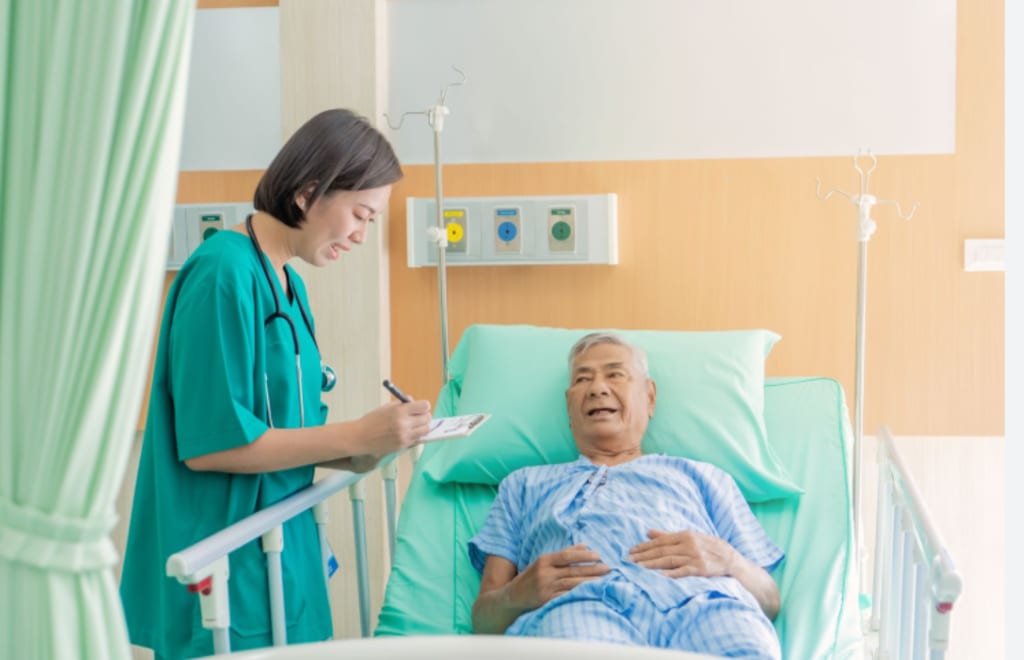
Endoscopy is a crucial diagnostic and therapeutic procedure widely used in modern medicine. As minimally invasive as it may be, endoscopy still involves several risks, and the recovery phase plays a critical role in ensuring patient safety and overall outcomes. That’s where post endoscopy nursing care steps in as a vital component of the endoscopy workflow.
Let's explore the roles and responsibilities of the endoscopy nurse, the protocols involved in post-care, potential complications, and how patient education and continuous improvement can enhance care quality. Whether you're a new nurse in endoscopy or a seasoned practitioner, this article offers deep insights into the art and science of post-endoscopy nursing care.
Understanding the Role of an Endoscopy Nurse
The endoscopy nurse is the backbone of any endoscopy unit. Their role begins well before the procedure and extends long into post-procedural recovery. From patient preparation to discharge and follow-up, endoscopy nurses ensure the process is smooth, safe, and supportive for every patient.
Key pre- and intra-procedural responsibilities include:
- Preparing and verifying patient documentation and consent
- Ensuring the patient’s understanding of the procedure
- Assisting the endoscopist during the procedure
- Monitoring the patient’s vital signs and sedation levels
Post-procedure, the endoscopy nurse becomes the first line of defense in monitoring and managing recovery. Their responsibilities shift to ensuring the patient regains consciousness safely, experiences minimal discomfort, and shows no signs of complications such as bleeding or perforation.
A proficient endoscopy nurse is not only technically skilled but also compassionate, communicative, and highly observant. The transition from procedure to recovery demands a strong foundation in clinical knowledge and emotional intelligence—two qualities that define excellent nursing care in endoscopy.
Immediate Post-Endoscopy Nursing Responsibilities
Once the procedure ends, post-endoscopy nursing care begins immediately. This phase is crucial because most complications—if they arise—occur within the first 1–2 hours post-procedure.
Vital Signs Monitoring
Patients must be continuously monitored for:
- Blood pressure
- Heart rate
- Respiratory rate
- Oxygen saturation
- Temperature (especially after colonoscopy or procedures with sedation)
These measurements provide early warning signs of complications like bleeding, aspiration, or sedation-related issues.
Airway Management and Consciousness Recovery
Since most endoscopic procedures involve sedation, nurses must ensure that the patient regains consciousness properly. Key actions include:
- Checking airway patency
- Monitoring gag reflex
- Ensuring the patient responds to verbal stimuli
- Keeping the patient in a lateral recovery position to prevent aspiration
Pain and Discomfort Evaluation
Mild throat irritation or bloating is normal, especially after an upper GI endoscopy or colonoscopy. However, significant pain may indicate a complication. Nurses assess the pain score, administer mild analgesics if needed, and monitor the progression closely.
Bleeding Assessment
Checking for signs of rectal or oral bleeding is critical. Any unexpected or continuous bleeding should be reported immediately and managed per hospital protocol.
These observations and actions form the first line of post care in endoscopy, establishing a safe bridge between procedure and discharge.
Patient Recovery and Observation
Recovery time may vary depending on the type of endoscopy performed and the level of sedation used. Typically, patients are observed for 30–90 minutes in a post-anesthesia care unit (PACU).
Sedation Clearance
One of the most vital observations during this period is the patient's ability to regain full consciousness. Nurses track recovery milestones like:
- Alertness level
- Ability to sit and stand
- Stable vitals
- Adequate oxygen levels
Oral Intake and Hydration
Patients are often instructed to withhold oral intake for a short period post-procedure, especially after upper GI endoscopy. The endoscopy nurse ensures that the return to fluids or food is gradual and safe.
- For gastroscopy: Clear liquids may be introduced 30–60 minutes post-procedure if no complications are present.
- For colonoscopy: Small meals and hydration are encouraged once the sedation has worn off.
Observation of Symptoms
Nurses assess the patient for:
- Persistent abdominal pain or bloating
- Fever or chills
- Vomiting or signs of aspiration
- Difficulty breathing
- Any mental confusion or distress
Any of these may indicate the need for further medical evaluation. Constant vigilance in this stage is central to nursing care in endoscopy.
Discharge Instructions and Patient Education
One of the most essential roles in post-endoscopy nursing care is educating the patient prior to discharge. Proper education minimizes anxiety, increases compliance with follow-up care, and enhances recovery outcomes.
Discharge Criteria
A patient may be discharged when:
• Vitals are stable for at least 30 minutes
• Fully alert and oriented
• Able to walk unassisted (or as per baseline)
• No signs of bleeding, perforation, or severe discomfort
Education Checklist for Patients
Nurses provide both verbal and written instructions covering:
- Diet: What to eat or avoid for the next 24–48 hours
- Medications: When to restart regular medications, especially blood thinners
- Activity Levels: Avoiding driving or strenuous activity for 24 hours
- Warning Signs: Symptoms that require immediate medical attention such as chest pain, severe abdominal pain, fever, or persistent bleeding
- Follow-up Care: When and where to report for results or further consultation
This step not only ensures compliance but also fosters patient confidence in the healthcare process. The endoscopy nurse plays a pivotal role in transitioning patients safely from hospital to home.
Common Post-Endoscopy Complications and Nursing Interventions
While endoscopy is generally safe, complications can arise. Prompt identification and intervention can prevent deterioration and save lives.
Common Complications
- Gastrointestinal Bleeding: Especially after biopsy or polypectomy
- Perforation: Can occur during forceful insertion or therapeutic interventions
- Infection: Though rare, it’s more common with ERCP or complex procedures
- Sedation-related Issues: Hypotension, bradycardia, or respiratory depression
Nursing Interventions
For bleeding:
- Monitor stool or emesis for blood
- Check hemoglobin levels (if needed)
- Administer IV fluids or medications as ordered
- Notify the physician immediately
For perforation:
- Observe for rigid abdomen, tachycardia, hypotension
- Keep patient NPO (nothing by mouth)
- Prepare for imaging (X-ray or CT) and possible surgical consult
For sedation-related issues:
- Apply oxygen therapy
- Reverse sedation agents (e.g., flumazenil, naloxone) if indicated
- Use continuous cardiac monitoring
Documenting each step and maintaining situational awareness ensures post-endoscopy nursing is both responsive and proactive.
Importance of Documentation and Communication
Accurate documentation is not just a regulatory requirement—it’s a clinical tool. Thorough charting helps communicate essential details across shifts and healthcare teams.
What Nurses Should Document:
- Time of recovery initiation and completion
- Vitals at regular intervals
- Consciousness and sedation level scores
- Any abnormal signs or symptoms
- Interventions provided and patient’s response
- Education given to patient or family
With the rise of Endoscopy Management Systems and EHRs, digital documentation also facilitates data analysis, quality checks, and benchmarking across facilities.
Moreover, strong communication between the endoscopy nurse, physicians, and caregivers ensures continuity of care post-discharge.
Continuing Education and Best Practices for Endoscopy Nurses
Healthcare is constantly evolving, and so must the skill set of an endoscopy nurse. Staying updated ensures better patient outcomes and personal career growth.
Ways to Stay Informed:
- Attend conferences and hands-on workshops
- Get certified in advanced life support (ACLS), sedation monitoring, or GI-specific programs
- Subscribe to professional journals and online learning platforms
Embracing Technology and Teamwork
The future of nursing care in endoscopy includes leveraging AI-assisted diagnostics, automated documentation tools, and real-time patient monitoring. Collaborative practice with anesthesiologists, gastroenterologists, and tech staff elevates care quality.
By blending clinical expertise with modern technology, endoscopy nurses can ensure safe, seamless recovery for every patient.
Conclusion
Post endoscopy nursing care is not a routine task—it’s a critical process that ensures patient safety, promotes recovery, and prevents complications. From immediate monitoring to discharge education, the endoscopy nurse plays a transformative role in the patient’s healthcare journey.
As endoscopy procedures become more complex and widespread, the demand for skilled, compassionate, and knowledgeable nurses continues to grow. By mastering post-procedural care, nurses don’t just support recovery—they empower it.
Whether you're a nurse, student, or healthcare professional, understanding the depth and impact of post-endoscopy nursing care is key to delivering excellence in endoscopy units.
About the Creator
Keep reading
More stories from medspecialist and writers in Journal and other communities.
Common Key Features of Endoscopy Software
The field of Endoscopy has seen rapid digital transformation in recent years. As gastrointestinal (GI) disorders become more prevalent and complex, gastroenterologists face increasing pressure to provide accurate diagnoses, ensure regulatory compliance, streamline clinical workflows, and deliver top-tier patient care. These demands have made the selection of the right Endoscopy Software more important than ever. In this comprehensive guide, Let’s explore the best Endoscopy Software features that clinics and hospitals should prioritize for all time.
By medspecialist8 months ago in Journal
Flight cancelled in US Because of storms snow ice
A powerful winter storm sweeping across large parts of the United States has thrown air travel into chaos, forcing thousands of flight cancellations and delays while stranding travelers in airports from coast to coast. What began as a strong cold front quickly intensified into a multi-state weather emergency, combining heavy snowfall, freezing rain, powerful wind gusts, and dangerously low temperatures. The storm’s impact has been especially severe on the nation’s aviation network, where tightly connected schedules mean disruptions in one region rapidly spread nationwide.
By USA daily update 5 days ago in Journal




Comments
There are no comments for this story
Be the first to respond and start the conversation.