
A Complete Guide to the Different Types of E-Waste.
What Is E-Waste?

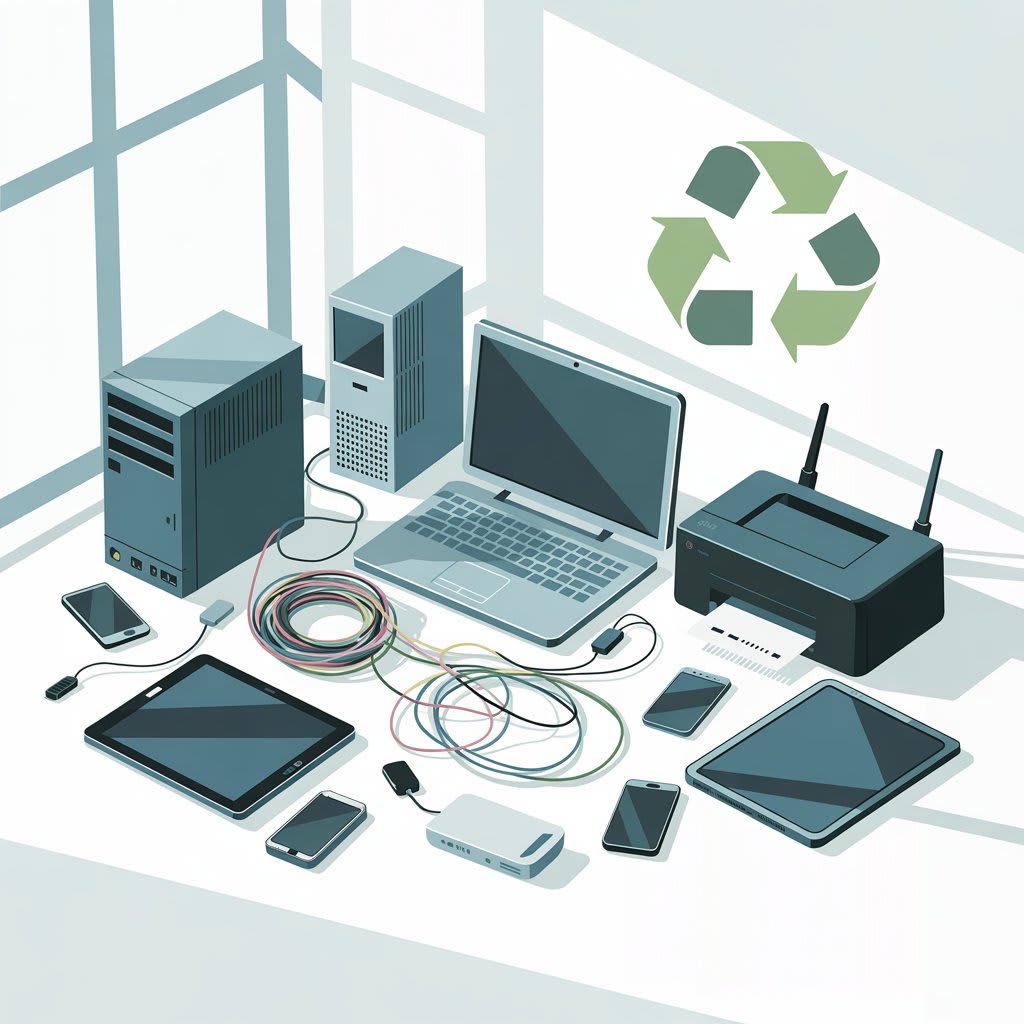
This article is a simple and easy-to-understand guide for anyone who wants to learn about E-Waste (Electronic Waste). It explains what e-waste is, why it’s a growing problem, and the different types of electronic items that are considered waste. If you’ve ever wondered whether your old phone, broken laptop, or used printer counts as e-waste, this article will help clear things up.
What is E-Waste?
E-Waste, short for electronic waste, refers to old, unwanted, or broken electronic devices that are no longer in use. This includes anything from smartphones and laptops to printers, TVs, and kitchen appliances with electronic parts. As technology advances rapidly, electronic devices become outdated quickly, leading to an increase in e-waste.
Why Is E-Waste a Problem?
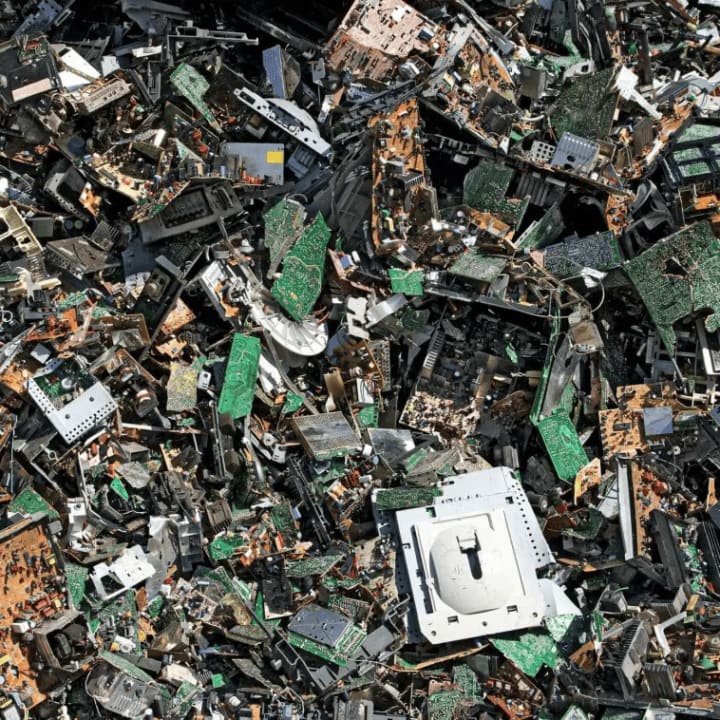
E-waste is a growing problem because most electronics contain hazardous materials like lead, mercury, and cadmium. If not disposed of properly, these materials can harm the environment and human health. Dumping e-waste in landfills leads to soil and water pollution, while burning it releases toxic fumes into the air.
Types of E-Waste You Should Know
There are several types of e-waste, and understanding them helps in sorting and recycling:
IT and Telecom Equipment: Computers, laptops, mobile phones, tablets, servers.
Consumer Electronics: TVs, radios, cameras, music systems.
Home Appliances: Refrigerators, washing machines, microwaves, toasters.
Office Equipment: Printers, photocopiers, scanners, fax machines.
Networking Devices: Switches, routers, modems.
Examples of Common E-Waste Items
Many everyday items turn into e-waste when they stop working or become outdated:
Mobile phones and chargers
Laptops and desktops
Keyboards and mice
Televisions
Kitchen appliances with digital parts
Networking devices like routers and switches
How to Dispose of E-Waste Properly
Proper disposal of e-waste is important. Here are some steps:
Donate: If the device still works, donate it to someone in need.
Recycle: Use certified e-waste recyclers who follow eco-friendly processes.
Sell: Some companies, like Gulf IT Scrap, buy e-waste in bulk and ensure it’s handled responsibly.
E-Waste Collection Drives: Participate in local collection programs or drop-off events.
Why Bulk E-Waste Selling is a Smart Option
If you're a business or organization with a large amount of electronic scrap, selling in bulk is cost-effective and efficient. Bulk selling reduces clutter, recovers value from unused devices, and ensures professional recycling. Companies like Gulf IT Scrap specialize in bulk buying and offer hassle-free service.
Where to Sell or Recycle E-Waste in the UAE
In the UAE, you can find trusted buyers like Gulf IT Scrap who purchase various electronic items in bulk. They offer services in cities like Sharjah, Dubai, and Abu Dhabi. Always choose a company that ensures proper recycling and follows environmental safety guidelines.
FAQs About E-Waste
Q1: What is e-waste?
A: E-waste, or electronic waste, refers to old, broken, or no longer needed electronic devices like phones, laptops, printers, and more.
Q2: Why is e-waste harmful?
A: E-waste contains toxic materials like lead and mercury, which can harm the environment and human health if not handled properly.
Q3: Can I throw e-waste in the regular trash?
A: No, it’s unsafe and often illegal. E-waste should be recycled or sold to certified scrap buyers.
Q4: What are common examples of e-waste?
A: Common items include mobile phones, computers, TVs, printers, tablets, switches, and network devices.
Q5: Where can I sell or recycle e-waste in the UAE?
A: You can contact trusted companies like Gulf IT Scrap that offer bulk e-waste buying services in Dubai, Sharjah, Abu Dhabi, and nearby areas.
Q6: Is it better to sell e-waste in bulk?
A: Yes, bulk selling is easier, faster, and helps businesses clear space while ensuring safe recycling.
Q7: What happens to e-waste after recycling?
A: After recycling, useful materials like metals and plastic are recovered, and harmful materials are safely disposed of.
About the Creator
Rizwan Ali
Sharing insights on e-waste, tech disposal, and IT scrap. With experience in the electronic scrap industry, I talk about safe, smart ways to manage and recycle gadgets, especially in bulk. Follow for real tips and knowledge.
Keep reading
More stories from Rizwan Ali and writers in Journal and other communities.
How to Sell or Recycle Server Scrap in the UAE
Old servers taking up space in your office or storage? Whether you’ve recently upgraded your IT infrastructure or closed a data center, disposing of server scrap can feel like a hassle. But with the right guidance, you can not only free up space but also recover value from unused or damaged servers. This blog will guide you step-by-step on how to sell or recycle server scrap in the UAE.
By Rizwan Ali7 months ago in Journal




Comments
There are no comments for this story
Be the first to respond and start the conversation.