
A Complete Guide to Natural Gas Price Fluctuations and Their Impact
Understanding the Drivers of Natural Gas Price Volatility and Its Wide-Ranging Impact on Industries, Consumers, and Global Supply Chains

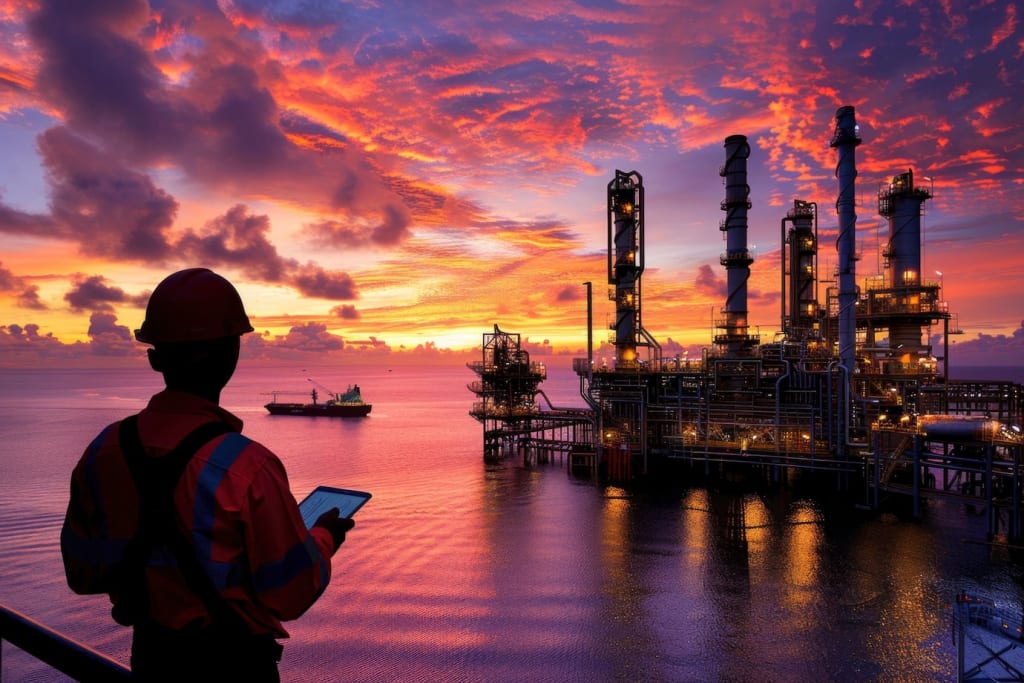
Natural gas is one of the most significant and widely used energy sources globally, fueling industries, powering homes, and even contributing to transportation. However, the price of natural gas is known for its volatility, fluctuating due to various internal and external factors. These price fluctuations can have far reaching consequences on the global economy, affecting everything from household utility bills to global supply chains and even geopolitical relations.
Understanding the underlying causes of natural gas price fluctuations and their subsequent impact on different industries is essential for businesses, policymakers, and consumers alike. This comprehensive guide will explore the factors driving natural gas price changes, the economic and environmental impacts, and strategies for managing price volatility.
What Causes Natural Gas Price Fluctuations?
Natural gas prices do not follow a fixed, predictable trajectory. Several factors drive their rise and fall, making it one of the most volatile commodities in global markets. Here are the primary reasons behind natural gas price fluctuations:
1.Supply and Demand Dynamics
Like most commodities, natural gas prices are influenced by the basic economic principle of supply and demand. When demand for natural gas rises (due to colder winters, increased industrial production, or rising electricity demand), prices tend to increase. Conversely, if supply exceeds demand—such as when there is a mild winter or technological advancements boost production—prices generally fall.
2.Seasonal Weather Patterns
Natural gas is primarily used for heating in winter and cooling in summer. Extreme weather conditions, such as long, cold winters or scorching summer heat waves, increase demand for natural gas, pushing prices up. A warmer than expected winter or a mild summer can lead to an oversupply of natural gas, reducing prices.
3.Geopolitical Tensions
Natural gas is a globally traded commodity, and many countries depend on imports from a few major suppliers, such as Russia, the Middle East, and the United States. Political instability in gas producing regions can severely disrupt supply chains and cause sudden price hikes. For example, geopolitical tensions involving major exporters like Russia or unrest in the Middle East can prompt fears of supply disruptions, leading to sharp price increases.
4.Shifts in Production Technology
Technological innovations, such as hydraulic fracturing (fracking), have revolutionized natural gas production. The increase in shale gas production in the U.S. in the last two decades has significantly altered global gas prices. While this has led to lower prices in regions with abundant supplies, it has also created market imbalances, with some regions experiencing price instability due to fluctuating production rates and export capabilities.
5.Global Liquefied Natural Gas (LNG) Demand
The growth of global liquefied natural gas (LNG) markets has been another critical driver of price fluctuations. Countries like China, India, and many European nations have increased their LNG imports as they move away from coal and nuclear energy. As global LNG demand increases, particularly in Asia and Europe, it places upward pressure on natural gas prices worldwide, even in regions with domestic natural gas production.
6.Government Policies and Regulations
Government regulations on energy use, environmental standards, and production methods can significantly influence natural gas prices. For instance, policies that encourage renewable energy adoption, impose carbon taxes, or restrict natural gas production in favor of cleaner fuels can reduce the supply of gas, driving up its cost. On the flip side, deregulation or pro drilling policies in countries like the U.S. can lead to an increase in natural gas supply, lowering prices.
7.Currency Fluctuations
Since natural gas is a globally traded commodity, its price is impacted by currency exchange rates, particularly the value of the U.S. dollar. When the dollar strengthens, natural gas becomes more expensive for buyers in other currencies, leading to a potential reduction in demand and a subsequent price decline. Conversely, a weaker dollar makes gas cheaper for foreign buyers, potentially driving up demand and pushing prices higher.
Economic and Environmental Impacts of Natural Gas Price Fluctuations
1.Impact on Consumer Energy Costs
The most immediate and visible effect of natural gas price fluctuations is on consumer energy bills. Households that rely on natural gas for heating, cooking, or water heating are directly impacted by price swings. When prices rise sharply, consumers can face significantly higher utility bills, which can strain household budgets. On the other hand, when prices fall, households can benefit from lower energy costs.
2.Impact on Industry and Manufacturing
Industries that depend on natural gas for production, such as chemical manufacturers, fertilizer plants, and metal producers, feel the brunt of price fluctuations. A rise in natural gas prices can raise the cost of production, leading to higher prices for goods. Conversely, lower natural gas prices can lower production costs and benefit manufacturers by reducing the cost of goods sold, potentially making their products more competitive in the global market.
3.Effect on Global Supply Chains
Natural gas price fluctuations also affect global supply chains. Higher gas prices can lead to increased shipping costs as natural gas is used in transportation. For example, LNG powered ships or trucks, which are becoming more common due to environmental regulations, can face rising fuel costs when natural gas prices increase. Additionally, any disruption in gas supply can delay production timelines, particularly in industries reliant on natural gas for energy or raw material inputs.
4.Environmental Consequences
Natural gas is considered a cleaner alternative to coal and oil in terms of carbon emissions. However, rising prices may drive countries and companies back toward cheaper fossil fuels, like coal, to meet their energy demands. While this might temporarily reduce costs, it can have negative long term environmental effects by increasing carbon emissions. On the other hand, lower natural gas prices might encourage the continued use of natural gas over dirtier fuels, helping to reduce emissions in the short term.
Strategies for Managing Natural Gas Price Volatility
Given the unpredictability of natural gas prices, businesses and consumers alike need to take proactive steps to manage volatility. Here are some strategies for mitigating the impact of fluctuating natural gas prices:
1. Hedging and Contracting
One of the most common ways businesses manage price volatility is through hedging. By locking in natural gas prices through long term contracts or using financial derivatives like futures and options, businesses can protect themselves from price spikes. This strategy can help stabilize energy costs and ensure predictability in budgets.
2. Diversifying Energy Sources
For industries highly dependent on natural gas, diversifying energy sources is a wise strategy. Incorporating renewable energy, such as wind, solar, or even geothermal power, into energy procurement strategies can reduce reliance on natural gas and lower exposure to price fluctuations.
3. Energy Efficiency Improvements
Reducing energy consumption through efficiency measures—whether through upgrading equipment, improving insulation, or optimizing production processes—can help businesses and consumers weather the impact of rising gas prices. The more energy efficient a business or household is, the less impact fluctuations in natural gas prices will have.
4. Monitoring Market Trends
Staying informed on natural gas market trends, price forecasts, and geopolitical developments can give procurement professionals and energy buyers an edge in anticipating price changes. Many companies turn to specialized consulting firms or energy intelligence platforms for real time updates and actionable insights.
Conclusion
Natural gas price fluctuations are driven by a complex set of factors, ranging from supply and demand dynamics to geopolitical instability and global LNG demand. The economic and environmental impacts are far reaching, affecting consumers, industries, and even international relations. However, by understanding the underlying causes of these price changes and adopting strategic measures, businesses and households can better manage the challenges posed by volatility.
For those involved in procurement or energy management, staying informed about market trends and taking proactive measures such as hedging, diversifying energy sources, and investing in energy efficiency are essential for mitigating the risks associated with natural gas price fluctuations.
About the Creator
Sanjay Pandit
This is Sanjay Pandit. I’m an SEO Intern at Procurement Resource with a passion for digital marketing content writing and creative designing.
Keep reading
More stories from Sanjay Pandit and writers in Journal and other communities.
Traversing the Rhenium Market: Present Rates and Predictions for the Future
Rhenium, a scarce and highly prized metal, is essential to industries requiring materials that can withstand extreme conditions. With its melting point, corrosion resistance, and exceptional strength, it is non-substitutable in high-performance applications like aerospace, defense, petrochemical refining, and electronics. With its indispensable role in modern technology, however, the rhenium market is shaped by a unique set of challenges—volatile prices, limited supply, geopolitical risks, and volatile demand.
By Sanjay Pandit9 months ago in Journal
While Your Case Is Under Review
While Your Case Is Under Review The message arrived almost immediately. I had barely closed the browser window before my phone vibrated. An email—polite, efficient—thanked me for submitting my materials and assured me they had been received. It explained that my case was now under review and that I would be contacted if additional information was required.
By Dakota Denise a day ago in Journal




Comments
There are no comments for this story
Be the first to respond and start the conversation.