
A Buyer’s Guide For Navigating Hard to Find Bearings
Know the crucial reasons for looking hard for bearings. For durability, select bearings from manufacturers with steps critical for difficult-to-find bearings.

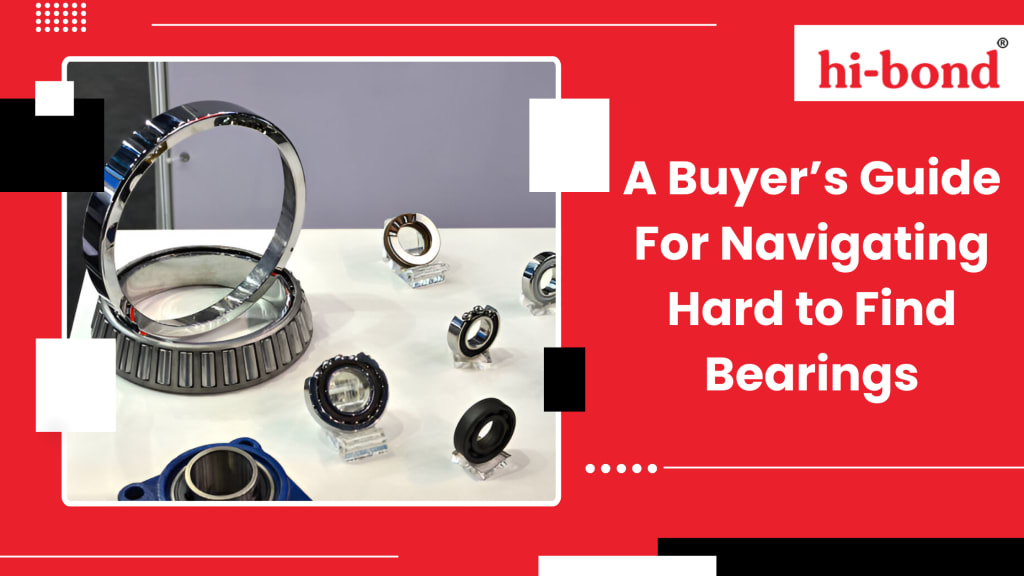
In a competitive industrial market, it becomes difficult to find the required bearing model. The innovations and advancements in modern mechanical engineering and machinery transform how machines operate with higher efficiency. However, one small component, bearings, is required to support smoother machine movement without friction.
Bearings are critical mechanical components necessary in several applications, ranges from automotive engines to industrial machinery. They influence productivity, durability, performance, and efficiency. However, finding suitable bearings from a reliable bearing manufacturing company, especially rare or specialized types, can often take time and effort.
This blog will provide the necessary steps for purchasing hard-to-find bearings. It will include key considerations, where to look, and tips for getting their correct sizes and specifications.
Understanding Types Of Bearings And Their Importance
Before discussing buying rare and hard-to-find bearings, it is essential to understand what are bearings and reasons why they are essential in industrial machinery applications.
Bearings are specific mechanical elements that minimize friction between rotating machine parts, including a shaft and a stationary or rotating component.
The common types of bearing bushing are ball bearings, which use spherical rolling elements to maintain the effective separation between the races, and roller bearings, which use tapered and cylindrical rollers.
Bearings are necessary in various industries such as automotive, aerospace, and manufacturing. Using the appropriate mechanical component ensures smoother operation, increases productivity, and reduces wear and tear in machines.
However, if a specific bearing size or type is difficult to find, it can result in expensive downtimes, inefficient machinery, and delayed projects.
Why Are Some Bearings Hard To Find?
There are various crucial reasons why these bearings are more difficult to find than other parts.
The primary factors to consider include:
Limited Production
A certain bearing manufacturer may only produce a specific type of bearing in small quantities. This process makes it more difficult to find the necessary bearings.
The Availability of Bearings Geographically
With necessary supply chain restrictions, certain bearings model from relevant suppliers become more difficult to obtain, based on your location.
Specialized Bearing Applications
Some industries need custom bearings designed for unique environmental conditions.
These industrial setups include corrosive environments, extreme high temperatures, and high-speed applications.
Outdated Equipment
While working with older machinery or equipment, bearing manufacturers have restricted the production of a specific model or size.
With the advancements in technology solutions, older bearings have become outdated.
Primary Steps To Search Hard To Find Bearings
Identify The Exact Specifications
The first and most critical step in finding hard-to-find bearings is deciding on the specifications you need. These bearings include tapered rollers, needles, and balls as rollers.
The specific type of bearing bushing you need will depend on your machinery or application needs.
Key specifications to consider include parameters such as:
- Bearing Material: Depending on the demand of the application, the bearing bushing can be created from different materials like ceramic, bronze, steel, or plastic.
- Bearing Size: The crucial size of this bearing includes inner diameter, outer diameter, and width, is crucial for deciding whether it will fit your application or not.
- Lubrication and Sealing Requirements: Consider whether your bearings needs additional seals or lubrication systems, especially for diverse applications in wet, dusty, or harsh environments.
- Load And Speed Requirements: Different bearings are designed to handle specific load capacities, such as axial, radial, or thrust loads and speeds. Always ensure that the model you select can handle your operational conditions.
Consult With Bearing Manufacturer and Model Information
When you have the part number of the bearing in the original, it becomes easy to verify it. However, different bearing manufacturers use names for similar components, so having the original part and model number is essential to avoid the wrong component.
Check whether the original manufacturer develops it or if a compatible replacement is available for that specific model.
Searching For Online Reputable Bearing Suppliers
After identifying the specific size and different types of bearings you need, your next step is to find a reliable supplier.
Several reputable suppliers specialize in these hard-to-find mechanical components, including:
OEM Manufacturers
Sometimes, the best way to find bearings is to contact the original equipment manufacturer (OEM) directly.
These manufacturers maintain legacy stock levels and offer custom options for the required bearing model.
Online Bearing Retailers
Various online stores sell these bearings, including their hard-to-find sizes.
Some online platforms allow users to search based on their different types, sizes, or part numbers, making the search process simpler and easier.
Bearings Wholesalers And Distributors
Their different distributor networks maintain extensive rare and common inventories of these bearings.
They can help you find a relevant component or provide alternative options.
Consider Aftermarket Bearings
Consider aftermarket or generic equivalents of the component you seek, which is no longer available in the bearing production phase.
Various aftermarket bearing manufacturers offer high-quality models that meet or exceed OEM specifications. But, ensuring that any model matches its size, material specifications, and load capacities, aftermarket is the best option to find necessary bearings.
Examine Custom Bearing Options
Custom manufacturing may be necessary for extremely rare or highly specialized bearings.
A reliable manufacturing company provides custom design and manufacturing services, particularly for industrial applications.
This option is more expensive and time-consuming, but it can be the only solution for hard-to-find bearings that are no longer available.
Verifying Quality And Authenticity
Verifying the originality and quality is necessary while choosing hard to find bearings, especially from the newest suppliers or aftermarket manufacturers.
Low-quality, sub-standard, or fake models can primarily result in notable performance issues that damage your machinery. To ensure you receive a high-quality product, examine the different parameters below:
- Ask For Material And Test Reports: Various manufacturers offer reports containing the material composition, load capacity testing, and other relevant information.
- Inspect Manufacturer For Certifications: Reputable bearing manufacturers offer certifications stating their models meet strict industry standards.
- Verify Supplier Reviews: Perform detailed research of the supplier’s reputation online through testimonials, reviews, and third-party websites to ensure they are reliable.
Avoiding Common Errors In Bearing Purchases
When examining the world of problems in finding this mechanical component, several common errors can arise, including:
- Assuming All Bearings Are the Same: This primary assumption fails when all these mechanical components are not created equal. Different applications demand different bearing designs, materials, and load capacities.
- Incorrect Sizing: It is essential to double-check the size and specifications before placing an actual order. Even minor differences in size can result in compatibility issues in a critical situation.
- Overlooking Maintenance Needs: Some bearings need specific lubrication or sealing mechanisms for optimal performance. Always remember to consider equal maintenance when selecting your mechanical component.
Making Easier To Search For Hard To Find Bearings
Looking for the appropriate mechanical components, including rear or hard-to-find options, can take time and effort. However, you can successfully examine this process by understanding your needs, working with reliable bearings and bushes suppliers, and considering OEM and aftermarket options.
With the right approach, you’ll ensure that your machinery operates efficiently, smoothly, and with minimal downtime, no matter how rare they search for specific applications.
About the Creator
Einstein’s Early Struggle: The 1895 Swiss Federal Polytechnic Entrance Exam and Lessons in Talent and Perseverance
In 1895, a 16-year-old Albert Einstein faced a setback that many might have seen as a sign of failure: he failed the entrance exam for the Swiss Federal Polytechnic in Zurich. While this moment is often remembered as a youthful stumble in the life of one of history’s greatest scientific minds, it offers profound insights into the nature of talent, learning, and perseverance. Einstein’s experience reminds us that early academic challenges do not define one’s potential, and that success often comes from persistence and leveraging one’s strengths.
By Salaar Jamali4 days ago in Journal




Comments
There are no comments for this story
Be the first to respond and start the conversation.