
A Beginner’s Guide to Using Mini Excavators for Landscaping and Small-Scale Projects
A Beginner’s Guide for Landscaping Projects

Landscaping and small-scale construction projects require precision, efficiency, and the right tools to get the job done quickly and safely. One of the most versatile and powerful machines you can use for such tasks is the mini excavator. Whether you’re digging trenches, leveling ground, or removing debris, mini excavators provide the power of large machines in a compact and easy-to-use package.
For beginners looking to improve their efficiency on residential or small commercial projects, learning how to use a mini excavator properly—and pairing it with tools like a Mini Dumper or mini skid loader—can be a game-changer. In this guide, we’ll walk you through everything you need to know to get started.
What Is a Mini Excavator?
A mini excavator is a compact version of a standard hydraulic excavator. It typically weighs between 0.8 to 2 tons and features a boom, dipper, bucket, and rotating cab mounted on tracks or wheels. Designed for tight spaces and light to medium-duty tasks, mini excavators are perfect for landscaping, utility work, and small-scale demolition.
At MMSCE.com, contractors and homeowners can find affordable mini excavators that are easy to operate, fuel-efficient, and compatible with a wide range of attachments.
Key Uses for Mini Excavators in Landscaping
Digging and Trenching
Whether you're installing irrigation systems, drainage lines, or garden beds, mini excavators allow you to dig precise trenches and holes quickly.
Grading and Leveling
Mini excavators can be used to grade uneven terrain and prepare surfaces for sod, patios, or garden features.
Stump and Debris Removal
Clearing small trees, stumps, and debris is made easier with attachments like grapples or rippers.
Installing Fencing or Poles
With an auger attachment, mini excavators can quickly drill post holes for fencing, signs, or lighting.
Material Handling
When paired with a Mini Dumper or mini skid loader, you can move soil, gravel, mulch, or debris efficiently across the site.
Getting Started: Mini Excavator Operation Tips
If you’re new to using mini excavators, follow these beginner-friendly tips to get comfortable and safe with the machine.
1. Understand the Controls
Mini excavators typically have joystick controls for moving the boom, bucket, and cab. Spend time practicing in an open area before starting your project. Familiarize yourself with:
Boom and dipper movement
Cab rotation (slew)
Track movement and steering
Attachment operation
2. Inspect Before Use
Before operating the excavator, check fluid levels, look for any hydraulic leaks, inspect the tracks or tires, and ensure attachments are securely fastened.
3. Plan Your Work Area
Map out your work area to avoid obstacles, utilities, and slopes. Ensure there’s enough room to swing the cab and boom safely.
4. Start Slow and Steady
Begin with small tasks like shallow digging or light grading. Take your time and avoid sudden movements. Keep the bucket low to the ground for stability.
5. Use the Right Attachments
Mini excavators support various attachments. For landscaping, grading buckets, augers, and thumb clamps are commonly used.
Boost Efficiency with a Mini Dumper and Mini Skid Loader
While mini excavators are powerful tools on their own, adding support equipment can take your productivity to the next level.
Mini Dumper
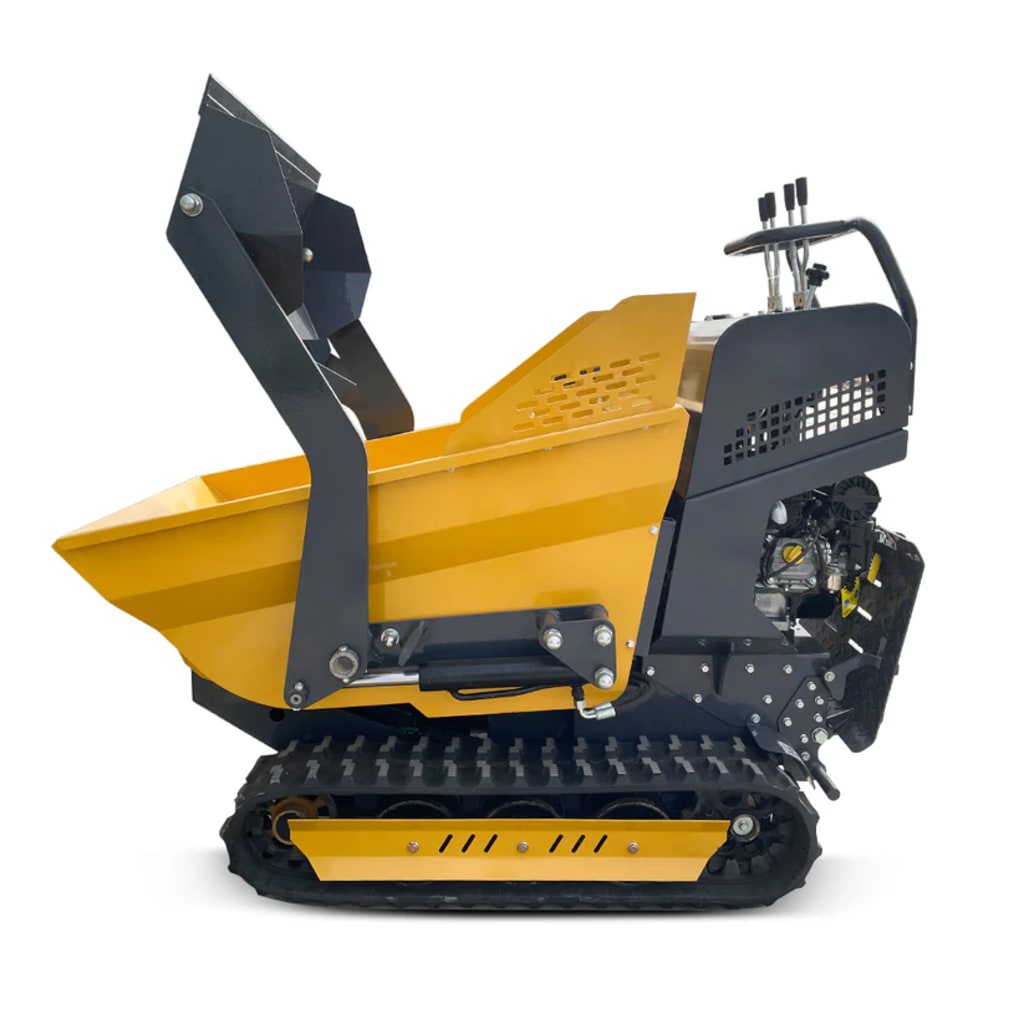
A Mini Dumper is a compact machine used to transport materials like soil, gravel, and debris across a job site. These dumpers are track-driven, making them ideal for uneven or muddy terrain. Using a mini dumper alongside a mini excavator allows for continuous workflow—you dig or clear with the excavator, load into the dumper, and transport materials without delay.
Mini Skid Loader
The mini skid loader is another essential tool for landscaping. It can be fitted with buckets, forks, or trenchers, making it ideal for spreading materials, lifting, or light excavation. Its compact size allows it to access tight spaces, and it complements a mini excavator by handling finishing tasks after excavation is complete.
Safety Tips for Beginners
Always wear proper safety gear: helmet, gloves, and boots.
Never overload the bucket or exceed lifting capacity.
Be cautious of overhead wires and underground utilities.
Ensure proper machine shutdown after use, including lowering attachments to the ground.
Why Choose MMSCE for Compact Equipment?
At MMSCE.com, you’ll find high-quality, affordable mini excavators, Mini Dumpers, and mini skid loaders—perfect for small-scale projects. All machines are pre-tested, come with a 1-year warranty, and include lifetime technical support. With fast U.S. shipping and a wide selection of models, MMSCE makes it easy for beginners to get started with the right equipment.
Final Thoughts
Mini excavators offer big value for small projects, and when combined with a Mini Dumper or mini skid loader, they make landscaping and light construction work faster, safer, and more efficient. If you’re just starting out, learning to operate a mini excavator will not only boost your productivity but also open the door to more professional-level results on any job site.
Visit MMSCE.com to explore beginner-friendly machines and take the first step toward mastering compact construction equipment.
About the Creator
Arish
hi my name is arish i am experienced in creating stories and make a good content for you




Comments
There are no comments for this story
Be the first to respond and start the conversation.