
9 Ideas: What to Do with Your Kids’ Old Toys
Here are nine fantastic ideas for what to do with your kids’ old toys, and many involve valuable toys donation projects.

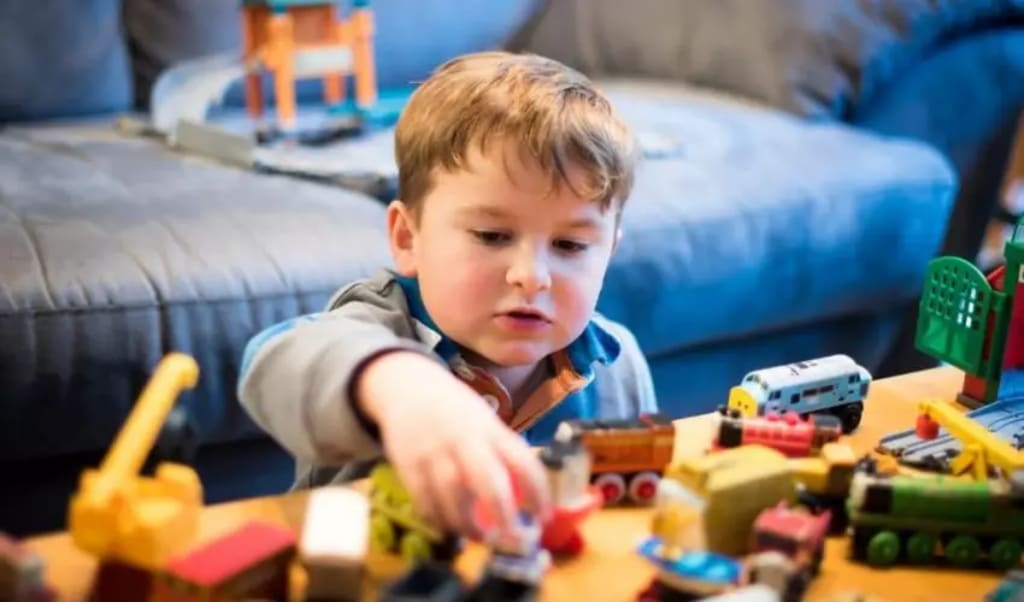
While children grow up, their stack of forgotten playthings grows alongside. The once-loved toys often stay stacked some corner of a room or in the attics. Hence, before you think of expelling them out, consider this. Old toys do hold value for a new life. They can be the new reason to someone else’s happiness. Instead of throwing them off, you can consider donating them and spread some joy .
Here are nine fantastic ideas for what to do with your kids’ old toys, and many involve valuable toys donation projects.
Ideas What To Do With Your Toys
1. Host a Toy Swap
- Bring old toys and organize a fun playdate with other families in your community or social circle. Encourage everyone participating to bring toys that their children have outgrown but are still in good condition. This creates a pool of pre-loved items ready for a new home.
- Trade for new treasures. During the toy swap, your kids can browse the selection brought by others and "trade" their old items for toys that feel brand new to them. This is a fantastic way to declutter your home while simultaneously refreshing their toy collection without spending any extra money. Moreover, it's a fun and social way to extend the lifespan of toys and teach kids about sharing.
2. Donate to Local Charities
- Local charities need toys. Numerous local charities and shelters in your area are always in need of toys for children who are facing less fortunate circumstances. These organizations work tirelessly to support families and provide comfort to children in need.
- Teach generosity. Take some time to research organizations in your local area that readily accept donations of gently used toys. Involve your children in the selection process and explain why you are donating. This is a wonderful opportunity to teach your children about the importance of generosity and the positive impact of giving back to their community. Furthermore, knowing that their old toys will bring joy to another child can be a powerful and heartwarming lesson.
3. Repurpose and Upcycle
- Get creative with old items. Instead of discarding broken or unused toys, explore the exciting world of repurposing and upcycling. Old building blocks can be glued together to become unique decorative items for their rooms, and discarded puzzle pieces can be incorporated into creative craft projects. Even broken crayons can be melted down and poured into molds to create new, colorful, and chunky crayons.
- Reduce waste and encourage imagination. This approach not only significantly reduces household waste and promotes environmental consciousness but also actively encourages your children's imagination, creativity, and problem-solving skills. Additionally, it’s a fantastic way to spend quality time together as a family, bonding over a fun and eco-conscious activity that yields unique results.
4. Create a "Memory Box"
- Select special toys. Go through your children's old toys together and identify a few truly special items that hold significant sentimental value and evoke fond memories. These might be the first teddy bear, a beloved doll, or a special toy from a memorable occasion.
- Preserve cherished memories. Carefully pack these selected toys away in a labeled "memory box" and store it in a safe place. These treasured items can be revisited in the future as your children grow older, bringing back cherished memories of their childhood and the joy these toys once brought them.
5. Sell or Consign
- Toys in good condition have value. If a significant portion of your children's old toys are still in good, sellable condition, consider exploring options to sell them. This can be done through hosting a garage sale in your neighborhood, listing them on online marketplaces and classifieds websites, or taking them to a local consignment shop that specializes in children's items.
- Earn money and find new homes. Selling or consigning your kids' old toys can not only earn you a little extra money but also ensures that these perfectly good items find new homes where they will be appreciated and played with. Furthermore, it can be a valuable lesson for your children about the concept of value and the lifecycle of their belongings.
6. Donate to Hospitals and Clinics
- Hospitals need toys for patients. Many children's hospitals, pediatric clinics, and even dentists' offices readily accept donations of new or gently used toys. These toys provide much-needed comfort, distraction, and entertainment to young patients who are often going through stressful or uncomfortable medical experiences.
- Check with local facilities. Take the initiative to check with your local healthcare facilities to inquire if they have an established toy donation program and what their specific guidelines for donations are. Moreover, this simple act of kindness can significantly brighten a child's day and provide a sense of normalcy during a difficult time in their lives.
7. Find a Toys Donation NGO
- NGOs focus on toy distribution. Numerous non-governmental organizations (NGOs) exist with the primary mission of collecting and thoughtfully distributing toys to children in need, both within your local community and in various parts of the world.
- Research reputable organizations. Take some time to research reputable toys donation ngo options that operate in your area or have a national or international reach. Look for organizations with transparent practices and a mission that resonates with your values.
8. Check for a Toy Donation Drop Off Box
- Drop-off boxes offer convenience. Keep an eye out in your community for designated toy donation drop off box locations. These can often be found at community centers, local libraries, some retail stores, and during specific charitable drives. These boxes provide a convenient and hassle-free way to donate toys without the need to schedule a specific drop-off appointment or visit a donation center during their operating hours.
- Donate without scheduling. These drop-off points offer a simple solution for busy families who want to donate their children's outgrown toys at their own convenience.
9. Gift to Younger Relatives or Friends
- Share with younger children. If you have younger relatives, such as nieces, nephews, or younger children of close friends, consider offering them some of your kids' outgrown toys that are still in good condition and age-appropriate for them.
- Extend the joy within your circle. This is a simple and personal way to pass on the joy that these toys once brought to your own children and extend their lifespan within your social circle. It can also be a thoughtful gesture that is appreciated by the parents of the younger children. Ultimately, finding a loving new home for these items is a win-win situation for everyone involved.
Conclusion
Ultimately, deciding what to do with your kids' old toys is a personal choice that depends on various factors. However, by thoughtfully considering these nine diverse ideas, you can ensure that those forgotten playthings don't simply contribute to household clutter. Instead, they can be repurposed creatively, bring immense joy to other children, or even become treasured mementos of your own children's precious early years. So, take a look around at that collection of old toys donation projects, involve your children in the decision-making process, and discover the many positive possibilities that await.
Looking for more ways to make a positive impact? Consider supporting Ace of Hearts, an organization dedicated to empowering underprivileged children through education and play. Your contribution, big or small, can help provide resources and opportunities that make a real difference in a child's life. Visit their website at [insert fictional website here] to learn more and get involved.
About the Creator
Ace of Hearts Project
The Ace of Hearts Project, based in Santa Ana, CA, spreads joy by delivering toys to children in need and writing Letters of Love to children in hospitals, promoting care, and seniors in assisted living.
Keep reading
More stories from Ace of Hearts Project and writers in Journal and other communities.
Donate your Old Toys from your Doorstep
Toys. The cherished companions of childhood. Bright colors, soft textures, and endless adventures. But what happens when the laughter fades and these little treasures sit idle, forgotten in boxes and corners? They’re not just clutter; they’re opportunities. A chance to bring joy to another child.
By Ace of Hearts Project12 months ago in Journal
The Rise of Electric Aircraft in Business Aviation: A Sustainable Future
The aviation industry has long been known for its significant environmental impact, with business aviation contributing to a large share of emissions from private aircraft. However, as sustainability becomes a more pressing issue, the business aviation sector is looking to electric aircraft as a potential solution. With advancements in electric propulsion systems, blockchain and battery technology, electric aircraft are poised to revolutionize business aviation, offering a cleaner, more efficient alternative to traditional jet fuel-powered aircraft. In this blog, we will explore the rise of electric aircraft in business aviation and how they promise to shape a more sustainable future.
By Beckett Dowhan5 days ago in Journal



Comments
There are no comments for this story
Be the first to respond and start the conversation.