
8 Simple Tips on How to Choose the Best Organic Waste Compost Machine
8 Simple Tips to Choose the Best Organic Waste Compost Machine | Easy Guide
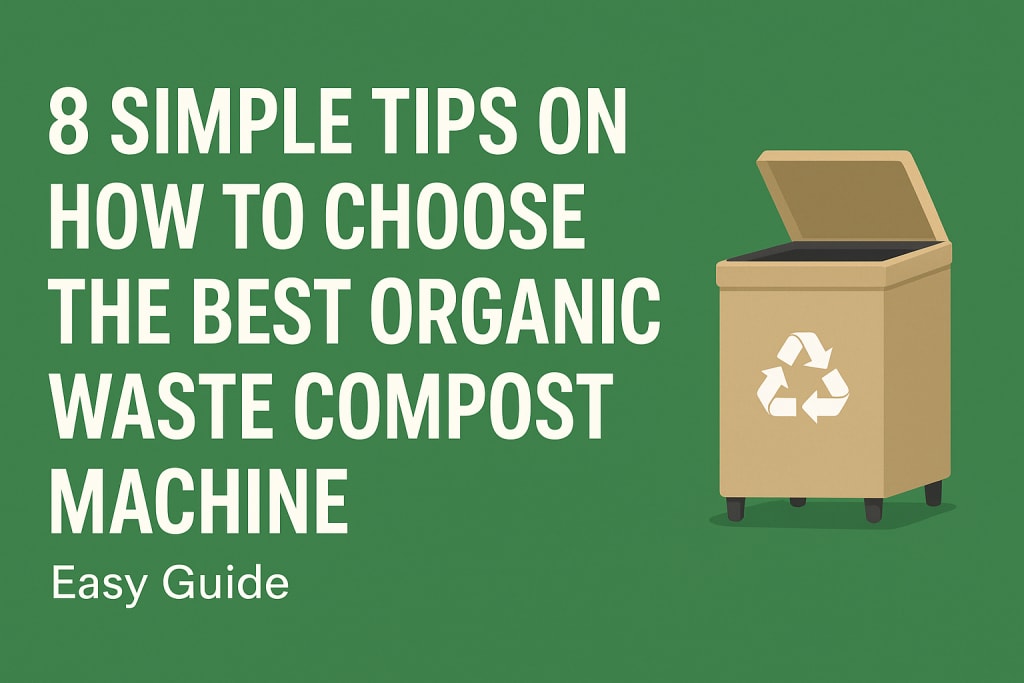
If you’re looking to reduce kitchen waste, save the environment, and create nutrient-rich soil at home, an organic waste compost machine can be a game changer. These handy devices turn your food scraps and other organic waste into compost quickly and efficiently. But with so many options available, picking the right composting machine can feel overwhelming.
Don’t worry! This article will walk you through 8 simple tips to help you choose the best organic waste compost machine that fits your needs perfectly. Whether you want a small food waste composter for your kitchen or a larger system for your garden, these tips will make your decision easier and smarter.
1. Understand Your Composting Needs
Before diving into models and specs, ask yourself a few questions:
How much organic waste do you generate daily or weekly?
Are you composting mainly food scraps, garden waste, or both?
Do you want a machine for indoor or outdoor use?
How much space can you dedicate to the composting machine?
Knowing the volume and type of waste you’ll compost helps narrow down the machines to those that handle your load without being too big or too small. For instance, a compact food waste composter is perfect for small kitchens, while larger outdoor composting machines can process garden clippings alongside kitchen scraps.
2. Look for Efficient Composting Time
One of the biggest advantages of using an organic waste compost machine is how fast it can turn waste into compost compared to traditional methods. However, different machines vary in how quickly they complete this process.
If you want quick results, check the average composting cycle of the machine. Some advanced machines can produce usable compost in just a few hours or days, while others might take weeks.
Think about your lifestyle—do you want compost ready fast for gardening or don’t mind waiting a bit longer? This helps you pick a machine that matches your pace.
3. Check the Capacity and Size
Capacity is key. If the machine is too small, you’ll find yourself emptying it frequently, which can be inconvenient. If it’s too large, it might waste space and energy.
Calculate how much organic waste you typically discard daily. Most home composters range from a few liters to tens of liters. For families producing more waste, a machine with a bigger capacity is better.
Also, consider the physical size. Does the composting machine fit where you want to keep it? Kitchen countertop space is limited, so a compact model might be necessary indoors. Outdoor machines can be larger but should still fit in your yard or balcony comfortably.
4. Evaluate the Ease of Use and Maintenance
The best organic waste compost machine is one you’ll actually use regularly. Look for user-friendly features:
Simple controls and clear instructions
Easy to load and unload compost
Minimal cleaning requirements
Some machines have automatic mixing or shredding functions that reduce manual effort. Others may need frequent cleaning, which can be a deterrent if you’re busy.
Read reviews or watch demos online to see how users rate the machine’s ease of use. A machine that’s a hassle might end up unused, so prioritize convenience.
5. Energy Efficiency and Noise Levels
Since many composting machines use electricity or batteries, energy efficiency is important. A machine that uses less power not only saves you money but is also better for the environment.
Also, consider the noise it produces. If you plan to keep the machine in your kitchen or living space, a quiet model is ideal. Outdoor machines may tolerate more noise but still, a quieter machine is generally preferable.
Some modern composting machines come with energy-saving modes and insulated designs to reduce noise, so keep an eye out for those features.
6. Consider Additional Features and Technology
Technology has made composting machines smarter and more efficient. Some features to look for include:
Automatic temperature and moisture control
Built-in shredders or grinders to speed up decomposition
Odor control systems like carbon filters
Wi-Fi connectivity or app integration for monitoring
While not all features are essential, they can improve your composting experience significantly. For example, odor control is a big plus if you’re composting indoors.
Decide which extras matter most to you based on how involved you want to be in the process and your budget.
7. Look for Reliable Brands and Warranty
Buying from a trusted brand can save you from headaches later. Brands that specialize in environmental and waste solutions often have better customer service, durable products, and spare parts availability.
Check warranty details to ensure the machine is covered for defects or malfunctions. A good warranty shows the manufacturer’s confidence in their product.
For example, companies like Smart Enviro Systems offer quality organic waste compost machines backed by good support.
8. Check Reviews and Compare Prices
Finally, do some research by reading customer reviews and comparing prices across different platforms. Reviews can give insights into real-life performance, durability, and common issues.
Keep in mind, the cheapest machine isn’t always the best. Invest in one that balances cost, features, and reliability.
Websites like this link and this one offer detailed comparisons and user feedback to guide you in choosing a food waste composter that fits your budget and needs.
Bonus Tip: Think Long-Term
Choosing a composting machine is an investment in sustainability and your lifestyle. Think about how your needs might change in the future. Will you want to compost more? Is the machine upgradeable or expandable?
Opt for a machine that grows with you and supports your environmental goals long-term.
Conclusion
Choosing the best organic waste compost machine doesn’t have to be confusing. By understanding your needs, checking capacity, ease of use, and considering features like energy efficiency and odor control, you can find a machine that turns your waste into valuable compost effortlessly.
Remember, whether you pick a compact food waste composter for your kitchen or a larger composting machine for your garden, every step helps reduce landfill waste and supports a greener planet.
To explore some great options and learn more, visit Smart Enviro Systems.
Happy composting!
About the Creator
Keep reading
More stories from smart enviro system and writers in Journal and other communities.
How an Organic Waste Converter is Changing Our Approach to Trash
Every day, the world produces tons of organic waste — leftover food scraps, garden clippings, and other biodegradable materials. While this waste seems like a problem, it actually holds great potential if managed correctly. Instead of throwing it away and contributing to pollution, we can turn this waste into something valuable: nutrient-rich compost. This is where an organic waste converter steps in, revolutionizing how we deal with organic trash in homes, farms, and industries.
By smart enviro system8 months ago in Journal
Trump Feels Obligated to Take Action on Iran as Administration Weighs Risks of Retaliation
As tensions with Iran continue to simmer, former U.S. President Donald Trump finds himself facing a complex calculus: balancing the perceived need to act decisively against Tehran with the very real risks of triggering a wider regional conflict. Sources within the administration suggest that Trump feels a strong obligation to respond to Iran’s escalating provocations, but policymakers are acutely aware that any action could carry significant consequences for both U.S. interests and global stability.
By Fiaz Ahmed Brohi7 days ago in Journal
The Devil's Cut
“Comrade, finally you’re awake.” The voice was smooth, sensual. A flickering incandescent bar was all that lit the white, sterile room. All Vladimir remembered was everything going black. He tried to move his arms and found them strapped to the gurney.
By Matthew J. Fromm7 days ago in Fiction



Comments (1)
Understanding your composting needs is crucial. Consider waste volume, type, and space. Then pick a machine that fits. Also, check composting time. Quick results matter if you want to use the compost soon for your garden.