
7 truths that teenagers should know about social media
Adolescents need to be aware of what social networks generate in their individual reality

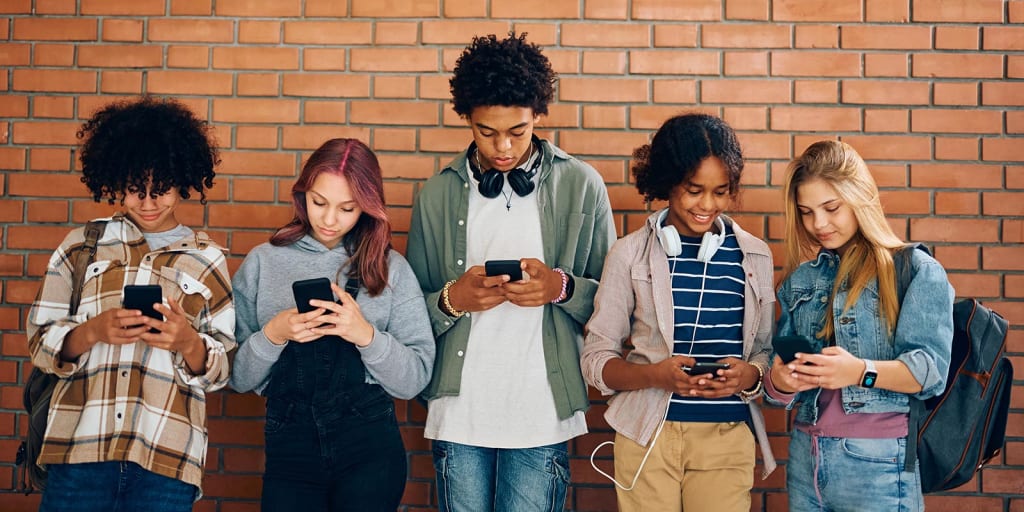
Teenagers are enthusiastic consumers of social networks such as TikTok, Instagram, X, Pinterest, among others. Due to their young age, many teenagers do not realize the various ways in which social media could control them so that they consume certain types of content.
The pressure to maintain a certain image online can lead to anxiety and low self-esteem. Teens who overshare may become overly dependent on social validation, which can hinder their ability to present themselves confidently in professional settings. This psychological impact can affect their performance in interviews and networking situation
Social media is an integral part of modern teenage life, offering both opportunities and challenges.
Here are seven important truths that teenagers should understand about their social media use:
1. Social Media Can Affect Mental Health
Research indicates that social media can have both positive and negative effects on mental health. While it can help teens feel connected to friends, it is also linked to increased feelings of anxiety, depression, and low self-esteem. A significant number of teens report that social media negatively impacts their mental health, with many feeling pressured to present a perfect image online.
2. The Importance of Privacy Settings
Understanding and utilizing privacy settings is crucial. Teens should be aware of who can see their posts and personal information. Many platforms allow users to customize their privacy settings, which can help protect against unwanted attention and cyberbullying. Regularly reviewing these settings is essential to maintain control over personal data.
3. The Dangers of Oversharing
Teens should think carefully before posting personal information or images online. Once something is shared, it can be difficult to remove completely. Oversharing can lead to privacy breaches and unwanted attention, and it may also affect future opportunities, such as college admissions or job prospects.
4. The Impact of Comparison Culture
Social media often promotes a culture of comparison, where users measure their worth against the curated lives of others. This can lead to feelings of inadequacy and dissatisfaction with one’s own life and body. Studies show that frequent exposure to idealized images can distort self-image and contribute to body image issues.
5. Cyberbullying is a Real Threat
Cyberbullying is a significant concern for teens on social media. It can take many forms, including harassment, spreading rumors, and exclusion. Teens should know how to recognize cyberbullying and understand the importance of reporting it to trusted adults or the platform itself.
6. Setting Boundaries is Essential
Establishing boundaries around social media use can help maintain a healthy balance between online and offline life. This includes setting limits on screen time, taking breaks from social media, and prioritizing face-to-face interactions with friends and family. Such practices can enhance overall well-being and reduce stress.
7. Social Media Can Be a Tool for Good
Despite its challenges, social media can also be a powerful tool for positive engagement. It can foster connections, support communities, and provide a platform for self-expression and creativity. Teens can use social media to advocate for causes they care about, share their talents, and connect with like-minded individuals.
Social media, if used responsibly, can be a powerful tool for good, enabling communication, collaboration, information dissemination and social mobilization.
Social networks offer access to a wide variety of information and educational resources, which can be adjusted to your personal pace of study.
Conclusion
Content shared online can have a lasting impact. Even if a post is deleted, it may still exist in some form or be archived elsewhere. This long-term digital footprint can resurface during college admissions or job searches, potentially affecting how individuals are perceived by others
Understanding these truths can empower teenagers to navigate social media more safely and effectively, helping them to enjoy its benefits while minimizing its risks.
About the Creator
Ninfa Galeano
Journalist. Content Creator. Media Lover. Geek. LGBTQ+.
Visit eeriecast ,where you'll find anonymous horror stories from all over the world. Causing insomnia since 2023.
Keep reading
More stories from Ninfa Galeano and writers in Journal and other communities.
The Dark Side of Social Media Stardom among Teenagers
Teenagers are easily impressed by social media and many dream of becoming famous on platforms such as TikTok, Instagram or YouTube, among others. Those who achieve social media fame later experience various problems they never imagined they would have.
By Ninfa Galeano8 months ago in Journal
Comparing Requirements for Ambulatory Care Facilities
Introduction Ambulatory care facilities (ACFs) provide medical services to patients who do not require overnight hospitalization. These facilities include outpatient clinics, urgent care centers, surgical centers, and specialized treatment sites. While they share a common focus on outpatient care, requirements for operation, staffing, compliance, and safety vary significantly based on facility type and scope of services. Understanding these differences is essential for healthcare administrators, clinical leaders, and investors. Comparing requirements ensures compliance, patient safety, and operational efficiency, while guiding planning, budgeting, and resource allocation.
By Abdul Mueedabout 11 hours ago in Journal


Comments (1)
Social media's a big part of teens' lives. It affects mental health, so they should use privacy settings. Oversharing's risky, and comparison can mess with their heads. They gotta be careful.