
7 Subtle Ways Parents Can Emotionally Wound Their Children
Unintentional actions can leave lasting scars
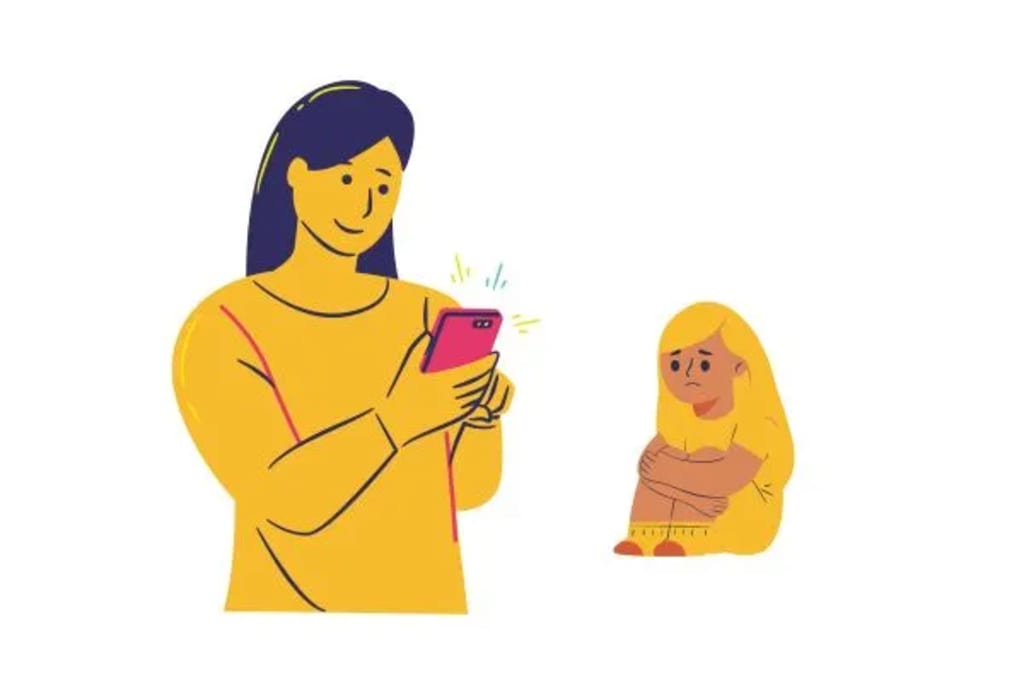
Parenting is a journey filled with love, challenges, and moments of self-doubt. No parent sets out to hurt their child, yet some subtle actions can leave deep emotional wounds 💔—often without realizing it. These wounds may not be visible, but they shape a child’s self-esteem, confidence, and future relationships in profound ways.
Let’s explore seven common but often unnoticed ways parents can emotionally wound their children and how to avoid them.
1. Invalidating Their Feelings 😔
"Mom, I feel so sad today."
"Oh, come on, it’s nothing. Stop being dramatic."
Have you ever dismissed your child’s emotions without meaning to? When parents brush off, mock, or belittle a child’s feelings with phrases like, "You’re overreacting" or "Stop being so sensitive," it teaches them their emotions don’t matter. Over time, they might struggle to express themselves, fearing judgment or rejection. Instead, try: "I see you’re upset. Want to talk about it?"—small words, big impact. 💡
For more parenting insights, visit Mom's Blog Tips. 🏡
2. Overly Controlling Behavior 🧩
Guidance is essential, but when does it turn into control? Some parents dictate their child’s hobbies, friends, or even career paths, unknowingly suffocating their individuality.
A friend once told me how her parents insisted she pursue medicine, even though she loved art. She complied but felt miserable for years.
Eventually, she switched careers—but not without battling self-doubt and guilt. Kids thrive when they feel trusted to make choices. Provide guidance, yes—but also let them explore. 🚀
3. Comparing Them to Others 👥
"Why can’t you be more like your brother?"
Few words cut deeper than comparison. Whether it’s to a sibling, a classmate, or a neighbor’s child, comparisons make kids feel they’re never "enough." I once overheard a child tell his mother, "I wish I was someone else so you’d love me more." That broke my heart. Every child is unique.
Celebrate their strengths rather than measure them against someone else’s yardstick. ❤️
4. Ignoring or Neglecting Them Emotionally 🚪
Children crave connection. When parents are too busy, preoccupied, or emotionally distant, kids may internalize the belief that they’re unworthy of love.
I recall a friend sharing how she always felt like a ghost in her own home—her parents were physically present but emotionally absent. She grew up craving validation from external sources. Small moments matter—a hug, a conversation, or simply listening can change everything. 🤗
5. Using Guilt as a Manipulation Tool ⚖️
"After everything I’ve done for you, and this is how you repay me?"
Sound familiar? Guilt-tripping places an unfair emotional burden on children. It teaches them to prioritize others’ feelings over their own, setting the stage for toxic relationships in adulthood. Instead of guilt, try teaching responsibility with empathy. Let them learn accountability without feeling like love is conditional. 💞
6. Being Overly Critical 🎯
Constructive feedback is great—but constant criticism? That’s damaging.
"You’re so lazy."
"You’ll never amount to anything."
Harsh words can become the inner voice a child carries for life. I once struggled with perfectionism because I grew up fearing mistakes. What helped? Encouragement instead of criticism. Swap out "You’re bad at this" with "You’re still learning, and that’s okay!"—a simple shift that nurtures growth and resilience. 🌱
7. Not Apologizing for Mistakes 🤝
Parents make mistakes too—it’s human. But refusing to apologize teaches children that accountability doesn’t apply to adults. Imagine a child who grows up never seeing an apology modeled; they might struggle with admitting faults or holding others accountable.
If you lose your temper or make an unfair judgment, saying "I’m sorry" shows strength, not weakness. It teaches kids that respect is mutual. 💬
Final Thoughts
Parenting isn’t about being perfect—it’s about being aware, learning, and growing alongside our children. 🌟 The good news? Small changes in how we communicate and connect can heal emotional wounds and create a foundation of trust, love, and resilience that lasts a lifetime. 💕
Let’s raise children who feel seen, heard, and cherished—because they deserve nothing less.
For more parenting tips and insights, check out Mom's Blog Tips. 📌
What are your thoughts? Have you ever caught yourself doing any of these? Let’s talk in the comments below! 👇
About the Creator
Anjna S.
My blog: https://momsblogtips.com/
7 Creative Side Hustles Retirees Can Do From Home
You’ve just retired — how are you bored already? Yet just months, weeks or even days after clocking out for the last time, you’re itching for your next adventure — or at least your next gig. You’d like to have a little extra income coming in, but you also want something that lets you flex your creative muscles. And it sure would be nice if you could work from home — you retired from office life for a reason.
By ELIA MWAPINGA3 days ago in Journal


Comments