
6 strategies to reduce stress in just a few minutes
Various studies show the impact of including breathing exercises, short walks or small self-care gestures in the daily routine


Feeling the effects of stress is a common experience. Meetings, pending tasks, and constant exposure to information affect both mood and physical balance.
According to National Geographic, this body response can disrupt sleep, accelerate heart rate, and weaken immune defenses. However, certain brief, daily practices have been shown to be effective in restoring balance to the nervous system.
6 Simple Strategies Backed by Science
Various research indicates that the connection between body and mind is key to coping with stress. Habits related to breathing, movement, physical contact, natural light, body posture, and music generate physiological and emotional responses that promote calm.
National Geographic compiled evidence on six easy-to-implement actions that can make a difference in minutes.
Coherent Breathing to Calm the Nervous System
Deep breathing is a direct tool for regulating the autonomic nervous system. Studies cited by the outlet show that inhaling and exhaling in six-second cycles stabilizes heart rate, lowers blood pressure, and decreases levels of cortisol, the stress hormone.
This technique, known as "coherent breathing," is also associated with better emotional regulation and more efficient memory function, which promotes concentration and overall well-being.

Physical Contact and Self-Stimulation: Immediate Effect
Brief contact with another person, such as a hug, stimulates the release of oxytocin, a hormone linked to stress relief and strengthening social bonds.
National Geographic notes that people who received a hug before a stressful situation recorded more stable physiological responses than those who did not.
Furthermore, according to one study, gestures such as placing a hand on the chest or gently rubbing the arms activate similar mechanisms. These simple actions can be performed at any time and without the need for external interaction.

Natural Light and a Green Environment: Balance in Minutes
Spending a few minutes outdoors, in sunlight or near vegetation, helps regulate circadian rhythms and improves heart rate variability, an indicator of physiological stability.
National Geographic reports that the most noticeable benefits occur in the first two minutes of exposure to these natural stimuli.
Even a brief stroll to a balcony or a window can be enough to experience an improvement in mood and a reduction in markers of inflammation and stress.

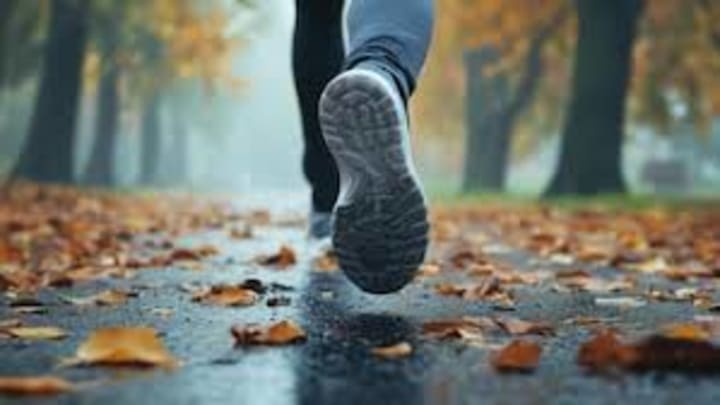
Walking Increases Focus and Creativity
The act of walking boosts brain oxygenation, especially in the prefrontal cortex, a region involved in decision-making and planning. It also activates neural networks associated with idea generation.
According to the outlet, a Stanford University study showed that those who walked produced more creative ideas than those who remained seated. This effect persisted even after the walk ended.
Postural Adjustment: Immediate Impact on Mood
The way you sit or stand influences your mental state. A slouched posture is linked to negative thoughts and lower energy, while an upright posture strengthens attention, confidence, and emotional regulation.
National Geographic notes that aligning your spine, lifting your chest, and relaxing your shoulders for just 30 seconds can improve focus and readiness for demanding tasks.

Music to Reduce Stress
Listening to pleasant songs helps reduce cortisol levels, increase dopamine levels, and strengthen the immune response. It also improves sleep quality and reduces anxiety.
According to the outlet, music stimulates brain areas linked to memory and emotion, generating an almost instantaneous change in mood. Its ease of access makes it an effective option during times of high stress.

Accessible Practices for Your Daily Routine
These six strategies, backed by scientific studies, require no special equipment or long periods of time.
Their daily implementation allows you to quickly mitigate the effects of stress, promoting physical and emotional well-being even during demanding days.
About the Creator
Omar Rastelli
I'm Argentine, from the northern province of Buenos Aires. I love books, computers, travel, and the friendship of the peoples of the world. I reside in "The Land of Enchantment" New Mexico, USA...
Keep reading
More stories from Omar Rastelli and writers in Journal and other communities.
Intermittent Fasting: What the Largest Clinical Study Says About Its Weight Loss Benefits
Overweight and obesity affect almost half of the world's adult population. In 2022, according to data from the World Health Organization (WHO), more than 2.5 billion people were overweight and around 890 million were living with obesity.
By Omar Rastelli7 months ago in Journal
Why Aircraft Availability Is a Systems Problem, Not a Fleet Size Problem
Why Aircraft Availability Is a Systems Problem, Not a Fleet Size Problem In aviation, aircraft availability is often misinterpreted as a function of fleet size. Airlines report the number of aircraft owned, leased, or ordered, and this number is frequently used as a proxy for operational capacity. However, fleet size alone does not determine how many aircraft can be operated at any given moment. Availability is a systems outcome shaped by maintenance capacity such as: Cherry Aerospace, component supply, regulatory compliance, and operational decision-making.
By Beckett Dowhan2 days ago in Journal


Comments
There are no comments for this story
Be the first to respond and start the conversation.