
5 Ways to Keep Your Cut Flowers Fresher for Longer
Storage
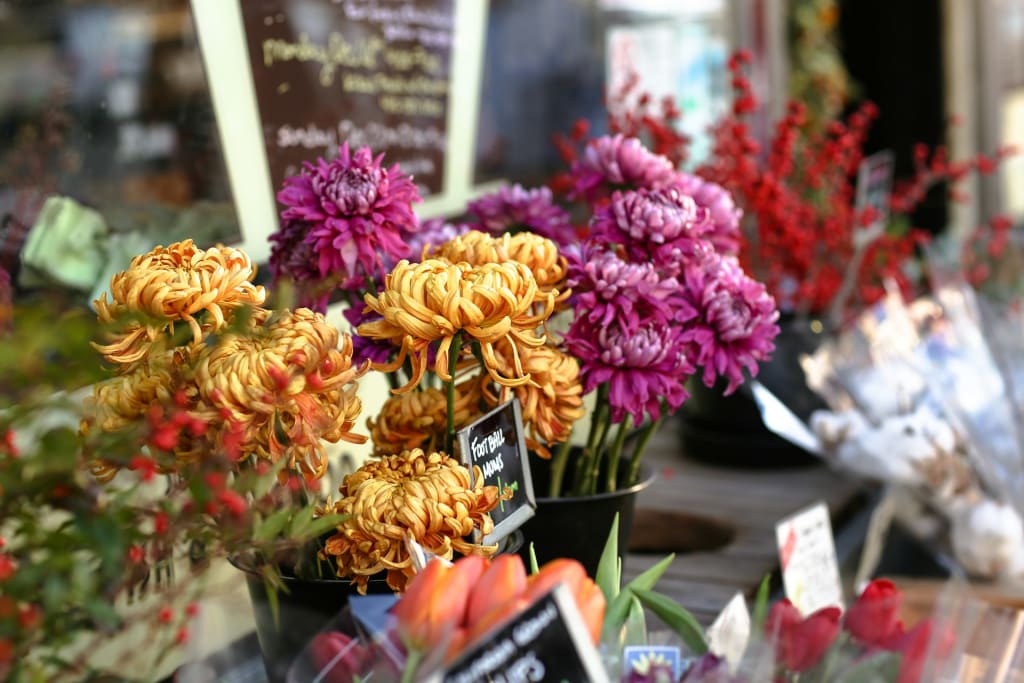
Flowers are something that can transform your space instantly, especially freshly cut flowers and their smell can change mood, however, their beauty is often fleeting away. The delicate nature of flowers demands proper care. Thus, in this article, we focus on ways to retain the freshness of your freshly cut flowers for long. By focusing on the potential pitfalls and using expertly crafted strategies, you can extend the lifespan of your floral arrangement. From choosing the right kind of vase for your flower type to the ideal temperature to keep them, these tips ensure your bouquets stay fresh for days. Now say goodbye to the dull and wilted flowers and say hello to the long-lasting freshness with these simple yet effective strategies.
The Struggle Of Keeping Them Fresh And Vibrant
Keeping freshly cut flowers fresh and vibrant poses a constant challenge. Upon cutting, flowers lose their connection to nutrients and water, hastening their wilting. The struggle intensifies due to factors like bacterial growth and air bubbles clogging their stems. To combat this, several methods exist.
Trimming stems at an angle and changing water regularly helps maintain hydration and prevents bacterial buildup. Adding floral preservatives nourishes the flowers and inhibits bacterial growth. Placing them in a cool environment with temperatures 50°F to 55°F (10°C to 13°C) slows wilting. Moreover, avoiding direct sunlight and ethylene-producing fruits extends their lifespan. Despite these efforts, the inevitability of flowers eventually fading remains, emphasizing the fleeting beauty of nature's creations.
Ways to Keep Your Cut Flowers Fresher for Longer
Proper Cutting Techniques
Proper cutting techniques are crucial for maintaining the freshness and longevity of cut flowers. Using sharp, clean scissors or floral shears is essential as they make clean cuts, minimizing damage to the stems. Cutting at a 45-degree angle allows for better water absorption, which helps in the flowers' hydration.
When determining the stem length, consider the vase size, ensuring the stems are trimmed accordingly to fit appropriately without overcrowding. To prevent bacterial growth, remove excess foliage below the waterline, as it can decay and contaminate the water. By following these steps diligently, you'll not only enhance the aesthetic appeal of your floral arrangement but also prolong its lifespan.
The Perfect Potion
Using a clean vase is crucial to prevent bacterial growth, ensuring the longevity of fresh flowers. Bacteria can multiply rapidly in dirty vases, leading to premature wilting and decay of blooms. Flower food packets play a vital role in maintaining freshness. They typically contain sugar to nourish the flowers and an acid to prevent bacterial growth and enhance water uptake.
For a homemade flower food solution, mix sugar and vinegar in water. Alternatively, a drop of bleach or a copper penny can be added to the vase water for their antibacterial properties. These measures prolong the lifespan of cut flowers, keeping them vibrant and beautiful for longer.
Temperature and Environment
Temperature and environmental conditions significantly influence the lifespan of cut flowers. Fluctuations in temperature and exposure to external factors can accelerate their wilting and decay. Refrigeration plays a pivotal role in extending their freshness. Storing cut flowers in refrigerator slows down aging processes, preserving their vitality.
Utilizing refrigerated trailers further enhances this preservation, as the controlled cold environment inhibits bacterial growth and moisture loss. This ensures that flowers retain their freshness and beauty for a longer duration, enhancing their market value and customer satisfaction. By maintaining optimal temperature conditions, the longevity of cut flowers is significantly enhanced, ensuring their beauty lasts longer.
Renewal Through Recutting
Renewal through recutting is the ideal practice of trimming flower stems during water changes to sustain their vitality. By chopping stems diagonally, approximately half an inch, clogged vascular tissues are eliminated, revitalizing the flowers and facilitating better water absorption. This simple act enhances longevity and freshness, ensuring blooms remain vibrant for an extended period.
The technique optimizes water flow, preventing stagnation and maintaining optimal hydration for the flowers. Incorporating recutting into routine care routines fosters a continuous uptake of nutrients and moisture, prolonging the beauty and enjoyment of floral arrangements. Embracing this practice not only revitalizes flowers but also encourages a deeper appreciation for their transient beauty.
Timely Maintenance and Care
Regular maintenance and care are essential to ensure the longevity of your floral arrangements, especially in a garden in summer and spring. Start by trimming stems and removing wilted or dead flowers to encourage new growth and prolong freshness. Additionally, cleanliness is key when it comes to maintaining vases and containers.
Rinse them thoroughly between uses to prevent bacterial growth and maintain hygiene. If you encounter drooping flowers, try changing the water, trimming the stems at an angle, or placing them in a cooler area away from direct sunlight. By following these simple steps and troubleshooting common issues, you can keep your floral displays looking vibrant and beautiful for longer periods.
Bonus Tips & Tricks
Specific Flower Care
Each flower variety has unique care requirements. For instance, roses thrive with frequent watering and full sunlight, while orchids prefer indirect light and occasional misting. Tulips benefit from freshwater changes every two days to prevent bacteria growth. For lilies, remove pollen stains promptly to prevent petal discoloration. Understanding each flower's needs ensures they stay vibrant and healthy for longer.
Rejuvenation Techniques
To revive wilting flowers, trim stems at an angle underwater to prevent air bubbles. Place them in lukewarm water with flower food. For drooping blooms, submerge the entire flower in cold water for 20-30 minutes. Alternatively, create a DIY revival solution by mixing equal parts water and lemon-lime soda. These methods help rehydrate and perk up tired flowers.
DIY Flower Food
Create homemade flower food by mixing one teaspoon of sugar, one teaspoon of bleach, and two teaspoons of lemon juice in a quart of warm water. Another recipe includes dissolving one crushed aspirin and one tablespoon of sugar in water. These solutions provide essential nutrients and bacteria-fighting properties, extending the life of cut flowers effectively. Remember to change the water every few days for optimal freshness.
By following these tips, you can ensure that your flowers remain vibrant and aromatic for an extended period. Let's cultivate a community of flower enthusiasts dedicated to maximizing the joy of floral displays. Join the conversation and share your insights today!
About the Creator
Keep reading
More stories from Deepak Juneja and writers in Journal and other communities.
4 Types of Gutters and Ways to Choose
Gutters are essential for safeguarding building drainage systems from water damage, erosion, and structural problems. Picking the right type is crucial to ensure durability and effectiveness. Contractors must select materials and designs thoughtfully to meet both functional and aesthetic needs. This article provides key suggestions for choosing the best gutter system for your projects by considering factors like materials, climate, and architecture. Understanding these factors will guarantee efficient water management and sustainable outcomes for all construction projects.
By Deepak Junejaabout a year ago in Journal
The Evolution of Aerospace Connectors From Analog to Digital
The aerospace industry has undergone a remarkable transformation over the past few decades, driven by a relentless pursuit of efficiency, reliability, and innovation. One of the unsung heroes of this revolution is the humble aerospace connector a component so small yet essential to the safe and seamless operation of modern aircraft. From the early days of aviation to today’s digital, highly automated aircraft, aerospace connectors have evolved significantly. Let’s take a journey through this evolution, exploring how they’ve progressed from analog simplicity to the sophisticated digital systems that power today’s aircraft.
By Beckett Dowhan5 days ago in Journal


Comments
There are no comments for this story
Be the first to respond and start the conversation.