
5 Key Issues in Beauty & Cosmetics Fulfillment
Discover the top 5 challenges in beauty & cosmetics fulfillment — from inventory to packaging & customer expectations. Learn solutions for lasting growth.


Introduction
The beauty and cosmetics industry has never been bigger. From skincare to makeup to personal care essentials, the market continues to grow at a rapid pace. With global beauty sales expected to cross hundreds of billions of dollars in the coming years, e-commerce has become the biggest driving force behind this boom. Consumers are now just a click away from their favorite lipstick shade or skincare serum, and they expect fast and flawless delivery every single time.
But behind the glam and glow lies a complex process — fulfillment. For beauty brands, fulfillment is more than just packing and shipping; it’s about protecting fragile products, keeping customers happy, and maintaining brand trust. A broken bottle or a late delivery can cost a brand not only money but also reputation.
Despite the growth of online beauty sales, many companies face challenges in managing fulfillment efficiently. Let’s look at the five key issues that beauty and cosmetics businesses must overcome to stay ahead in this competitive industry.
Inventory Management & Demand Forecasting
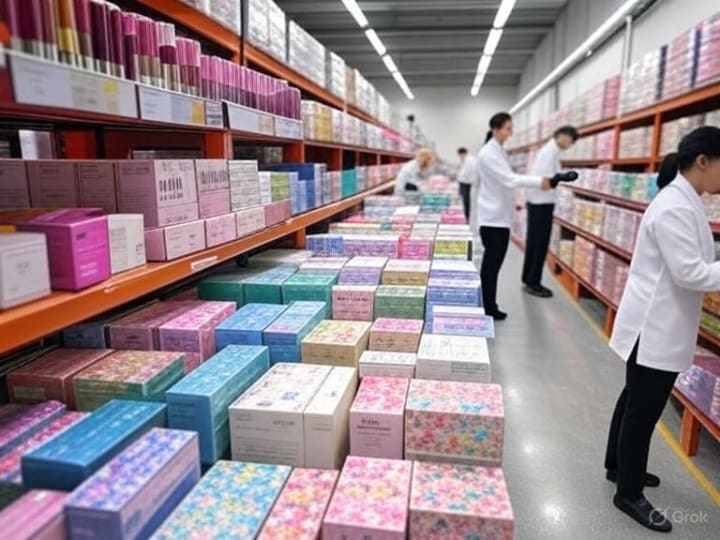
The first and perhaps most common challenge is managing inventory. Beauty and cosmetics brands usually deal with a massive range of SKUs — different shades of lipsticks, multiple sizes of skincare bottles, and limited-edition launches. On top of that, customer demand is unpredictable. A viral TikTok review can cause a sudden surge in orders overnight, while seasonal events like Valentine’s Day or the holiday season can create sharp spikes in sales.
Poor inventory management creates two risks: stockouts and overstocking. Running out of stock means losing sales and disappointing loyal customers. On the other hand, overstocking is equally dangerous in this industry because products often have expiry dates. Unsold inventory sitting in warehouses can lead to waste and heavy losses.
A good example is when an influencer promotes a new product — a sudden wave of orders can wipe out inventory within hours. Brands that cannot respond quickly lose both sales and visibility.
Possible solutions include:
- Using AI-driven demand forecasting to predict sales trends.
- Adopting real-time inventory tracking across all sales channels.
- Building closer ties with suppliers to allow for faster restocks.
Product Fragility & Packaging Requirements
Beauty products look glamorous on store shelves, but they are often fragile and tricky to ship. Think of glass perfume bottles, liquid foundations, or delicate powder palettes — all can break, leak, or get damaged during transit. If the customer opens a parcel and finds broken packaging or spilled products, it instantly hurts brand trust.
Packaging plays a double role here. It must be sturdy enough to protect the product and at the same time attractive enough to reflect the brand image. Modern customers also demand eco-friendly solutions, which puts brands under pressure to balance durability with sustainability.
Another key challenge is cost. Premium packaging increases expenses, but cutting corners often leads to higher returns due to damages. Returns in the beauty sector are costly because products cannot always be resold once opened.
Solutions include:
- Using protective yet branded packaging that keeps products safe while showcasing the brand.
- Switching to eco-friendly materials without compromising strength.
- Applying stricter quality checks during the packing process.
This is also where custom display packaging boxes and custom gift boxes with logo add value. They not only protect the product but also elevate the unboxing experience — making fulfillment part of the brand story.
Regulatory Compliance & Expiry Management
Another hurdle in cosmetics fulfillment is compliance with strict regulations. Every region has its own rules for labeling, ingredients, and safety. For example, products sold in the U.S. must meet FDA guidelines, while those in Europe follow EU standards. Failing to comply with these rules can result in fines, recalls, or even a ban from selling in certain markets.
Managing expiry dates is another challenge. Beauty products have a limited shelf life, and shipping expired or nearly expired items can damage a brand’s reputation. Warehouses need to follow batch control systems to ensure first-in, first-out (FIFO) management.
Things get more complicated with international shipping. A product cleared for sale in one country may not meet the rules in another. That creates extra layers of work for fulfillment teams.
Solutions include:
- Automating compliance checks to reduce errors.
- Using barcode and lot tracking systems to manage expiry dates.
- Partnering with third-party logistics (3PL) providers who specialize in cosmetics and understand regulatory demands.
Customer Expectations: Speed, Personalization & Returns

Beauty customers are some of the most demanding online shoppers. They want fast delivery, ideally same-day or next-day shipping. They also look for personalized experiences such as subscription boxes, custom bundles, or gift-ready packaging.
Returns are another challenge. Unlike fashion, where fit is the main reason for returns, beauty returns often happen due to shade mismatches, allergic reactions, or damaged deliveries. This makes reverse logistics even more critical.
Balancing costs while meeting customer expectations is not easy. Offering free returns or same-day shipping is expensive, but failing to do so can push customers toward competitors.
Solutions include:
- Setting up distributed warehouses to shorten delivery times.
- Designing return-friendly logistics systems that keep the customer experience smooth.
- Offering personalization options like customized bundles or subscription boxes to build loyalty.
Scaling Operations with E-commerce Growth
The final challenge is scaling. The rise of platforms like Amazon, Shopify, and TikTok Shop has created endless opportunities for beauty brands. But with growth comes complexity.
Small to mid-sized brands often struggle when sudden spikes in demand occur. Managing fulfillment across multiple channels — retail, e-commerce, and marketplaces — becomes complicated without the right systems in place. Tech integration is another bottleneck. Without a modern Warehouse Management System (WMS), even growing brands can quickly lose track of inventory, orders, and deliveries.
Solutions include:
- Outsourcing fulfillment to specialized 3PL partners with beauty industry expertise.
- Investing in scalable systems that can grow with the business.
- Using technology like automation, WMS, and AI to reduce human error and improve efficiency.
Conclusion
The beauty and cosmetics industry is growing at lightning speed, but fulfillment remains one of its toughest challenges. From inventory management and fragile packaging to regulatory compliance, customer expectations, and scaling operations, every issue can impact customer satisfaction and brand loyalty.
The good news is that with the right strategies — smarter forecasting, stronger packaging solutions, tech-driven compliance, personalized delivery, and scalable systems — beauty brands can turn these challenges into opportunities.
In a competitive market, fulfillment is no longer just about shipping products. It’s about protecting brand reputation and delivering a flawless customer experience every time. Beauty brands that invest in smarter fulfillment and packaging solutions — such as custom display packaging boxes and custom gift boxes with logo — will be better positioned to win customer loyalty and grow sustainably in the years ahead.
About the Creator
Cristina Baker
I’m Cristina Baker, a business and market expert with 8+ years of experience helping brands and entrepreneurs grow. I share insights, strategies, and ideas that inspire growth, spark curiosity, and turn challenges into actionable results.
Keep reading
More stories from Cristina Baker and writers in Journal and other communities.
The Role of Branding in Small Business Growth
Introduction Running a small business is hard. Research shows that 20% of small businesses fail in the first year, and nearly 50% fail within the first five years. Many owners think failure happens only because of money, products, or competition. While those reasons matter, another hidden factor often decides success: branding.
By Cristina Baker5 months ago in Journal
The 5 AM Myth: Why I Trashed My Alarm Clock to Finally Find My Edge
The blue light of the smartphone screen felt like a laser beam hitting my retinas at 4:58 AM. Outside my window, the world was a bruised purple—silent, freezing, and utterly indifferent to my "ambition."
By George Evan5 days ago in Journal
Miss Persephone's Manual to a Seemingly Ordinary Life
Miss Persephone was found at the dining table, her blue eyes swollen, her tears arriving and retreating like the tides of the ocean. Earlier that day, her family had visited her in the retirement home where she had lived for eight years. It was her eightieth birthday.
By Imola Tótha day ago in Fiction


Comments
There are no comments for this story
Be the first to respond and start the conversation.