
When Trauma Isn’t a Chapter—It’s the Whole Book
Reading A Little Life helped me understand the long silence I lived with

The Call to Adventure
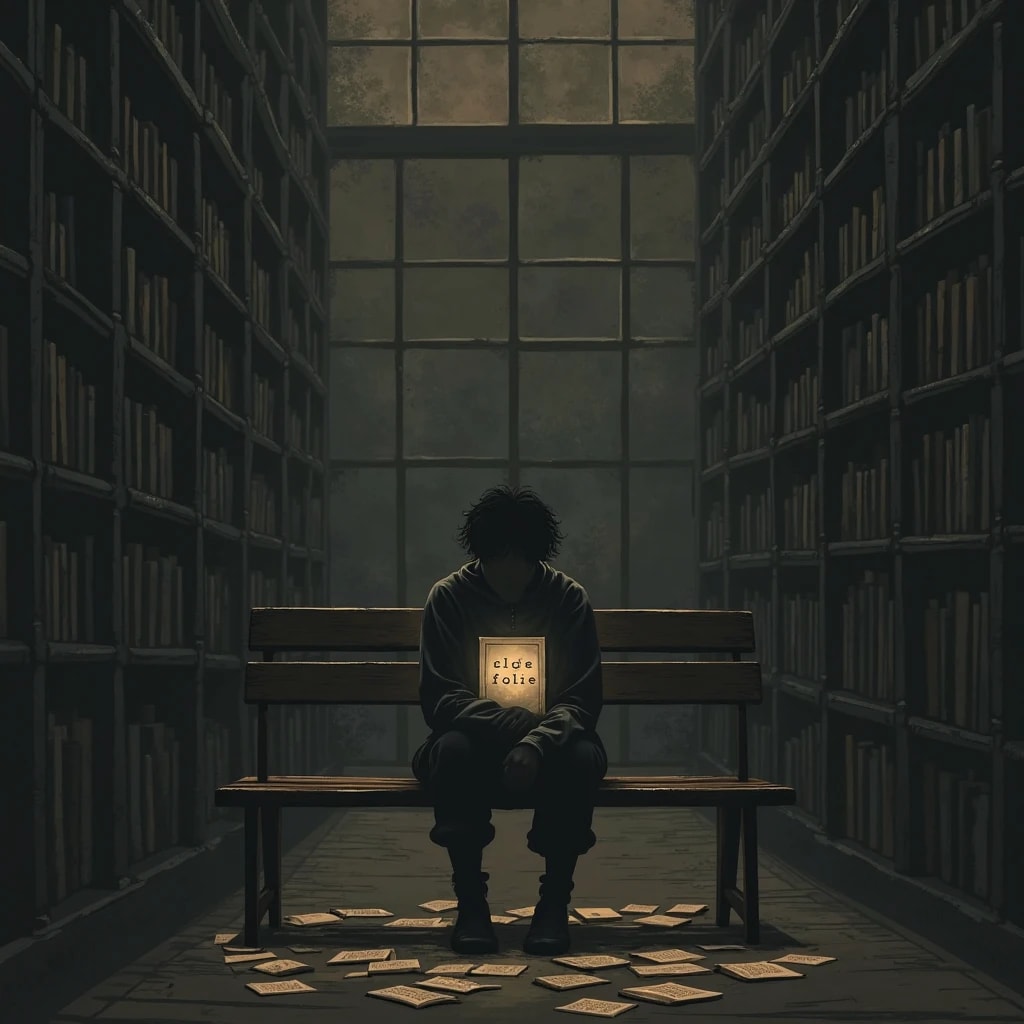
I don’t remember the exact moment my silence began. Maybe it was when I was six and my father left without saying goodbye. Or maybe it was later, when I realized my mother cried every night but smiled every morning like nothing was broken. Or maybe it was just me—quiet by nature, invisible by choice.
By the time I reached my twenties, I had mastered the art of disappearing in plain sight. People called me “calm,” “easygoing,” “emotionally intelligent”—all flattering terms for someone who had simply learned how to live without showing pain.
But I wasn’t okay. And I hadn’t been for years.
I laughed at parties but hated crowds. I gave advice on love but never let anyone close. I told myself I was over it—whatever “it” was—but I couldn’t name the heaviness that lived in my bones. I functioned. I produced. I survived. But I didn’t feel.
That was until I picked up A Little Life—a book I had seen floating around in whispers on social media, often labeled "the saddest book you'll ever read." I wasn’t sure what drew me in. Maybe I was searching for something that would finally reflect the inner chaos I couldn't express. Or maybe, deep down, I just wanted someone else—anyone—to feel as broken as I did.
I wasn’t prepared.
Crossing the Threshold
The first few chapters felt distant, like I was meeting strangers whose lives were too sophisticated, too successful, too removed from mine. But as Jude's story unfolded—his past filled with unspeakable abuse, his silence, his self-harm, his need to protect everyone from himself—I felt the ground beneath me shift.
It was like someone had finally opened my chest and read the pages I had never shared. Jude was me.
I cried—not soft, poetic tears, but raw, aching sobs that caught in my throat and shook my body. I read until 3 AM, stopping only to breathe when the pain got too loud. I read through flashbacks of my own I didn’t realize I still carried: the teacher who yelled at me for crying in class. The friend who stopped talking to me when I got “too intense.” The boyfriend who told me I was “too sensitive” to love.
In Jude, I saw everything I had hidden, but also everything I longed to believe: that someone could survive all of that pain and still be worthy of love. That silence doesn’t mean brokenness. That scars, whether seen or unseen, are not shameful—they are proof of survival.
The Ordeal
But healing isn’t linear. A Little Life didn’t fix me—it wrecked me first.
For weeks after finishing the book, I felt undone. The story clung to my skin like a second layer. I found myself staring out the window more, distracted at work, irritated with people who smiled too easily. I was grieving something I never gave myself permission to mourn: my own trauma.
I had never called it that before. “Trauma.” It felt too heavy, too serious, like something reserved for war survivors or headline stories. But trauma doesn’t always shout. Sometimes, it whispers for years. And I had been listening to that whisper without even knowing it.
Reading Jude’s story, and the quiet way it spiraled between hope and despair, gave me a vocabulary I didn’t know I needed. I started writing—just small things. Notes. Fragments. Thoughts I used to bury. I began therapy again, this time without pretending I was “just stressed.” And when my therapist asked why I came back, I didn’t say “because I’m overwhelmed.” I said, “because I’m not okay.”
That was new for me.
The Transformation
Something changed after that.
I wasn’t healed. But I had acknowledged the wound.
I reached out to people I had pushed away. I told my best friend why I disappeared for days at a time. I told my mother that I had spent years thinking I was unlovable. I told myself—every morning—that I was allowed to take up space.
I even fell in love. Not like a movie. Not fast or flashy. It was quiet, patient. With someone who didn’t flinch when I cried mid-sentence. Who didn’t ask me to explain the scars on my mind. Who just held my hand and said, “You don’t have to be okay to be loved.”
For the first time in my life, I believed them.
The Return With the Elixir
I’ve recommended A Little Life to countless people since then—but not casually. I warn them: it’s brutal. It’s heartbreaking. It will haunt you.
But if you’ve lived in silence—if you’ve worn a smile like armor or carried trauma like a secret—you’ll see yourself in those pages. And you might finally allow yourself to feel something you buried long ago.
That book didn’t save me. I saved me. But A Little Life was the mirror I needed to see the truth: I wasn’t weak. I wasn’t broken. I was surviving the only way I knew how.
And now, I’m living in a new way—one that includes softness, grief, joy, and truth. Not because the trauma is gone. But because I no longer hide from it.
The Solution
Thank God I read A Little Life. It didn’t just tell me a story—it gave me permission to tell mine.
In Jude’s silence, I found my own. And in his pain, I finally found a path to healing.
If you’re carrying pain you’ve never named… let A Little Life hold it for a while. Then maybe, just maybe, you’ll learn how to carry it differently
About the Creator
Muhammad Sabeel
I write not for silence, but for the echo—where mystery lingers, hearts awaken, and every story dares to leave a mark
Keep reading
More stories from Muhammad Sabeel and writers in Interview and other communities.
Three Generations, One Conversation: Chapter Two
The clock ticked steadily in the background, its rhythm the only sound for a moment as Margaret, Helen, and Lily sat in the living room of the old family house. The air was filled with the scent of fresh tea, old books, and something unspoken—curiosity, perhaps, or the stirrings of a deeper conversation waiting to happen.
By Muhammad Sabeel9 months ago in Interview
Part 2 Interview With Joe Patterson, Author Of Melanin Memoirs
This is my second interview with Joe Patterson. His 4th anniversary writing on Vocal will be in March 2026. He has one achievement on Vocal, The Other Foot. He has over 17,000 reads on Vocal since he started on Vocal in 2022. Joe Patterson is very creative poet and rapper. Joe is deep thinker and I feel it is reflected in his latest published book, Melanin Memoirs.
By Mariann Carroll17 days ago in Interview



Comments
There are no comments for this story
Be the first to respond and start the conversation.