Photographers
"The Voices Behind the Vision: Unseen Stories of Everyday Achievers"
In a world overflowing with news, notifications, and endless digital noise, the stories that truly matter often go unheard. Headlines flash by, trends rise and disappear within hours, and attention spans grow shorter every day. Yet behind every innovation, every act of courage, and every quiet achievement lies a human experience waiting to be shared—stories that teach, inspire, and illuminate the strength of the human spirit.
By Spotlight stories 2 months ago in Interview
Tahkyah Brings Plenty Makes a Public Appearance in Los Angeles. AI-Generated.
Tahkyah Brings Plenty, the well-known celebrity admired for her talent and growing influence in entertainment, was recently spotted making a rare public appearance in Los Angeles. The late September sighting captured the attention of fans and media alike, marking one of her first public appearances after spending several months away from the spotlight. Her presence in the city quickly drew attention, with fans sharing photos online and media outlets highlighting her return to visibility.
By Allie Jackson 3 months ago in Interview
Wild Willie’s Soul Impact:
When Wild Willie grabs the mic, it’s more than a podcast—it’s a force. As the creator and host of Soul Impact: How Music Saved Us, the award-winning show on The Scene Projects network, Wild Willie has carved his own lane with storytelling that refuses to play it safe. His mission is bold, his delivery unapologetic: to prove music isn’t just background noise—it’s a lifeline.
By Independent Indie Artist Radar3 months ago in Interview
Willie Thornton: The Voice Behind Soul Impact
Willie Thornton is not just a name—it’s a movement. As the creator and host of Soul Impact: How Music Saved Us, an award-winning podcast under The Scene Projects network, Willie has carved out a lane that’s uniquely his. His work is electric, raw, and deeply human, taking listeners on a ride through stories of resilience, transformation, and hope. At its core, the show is about survival, about thriving, and about how music—something so universal—can become a lifeline when the world feels like it’s caving in.
By The Blacksheepkid Collective by: El Pablo 1x3 months ago in Interview
The Interview That Felt Like a Test of Survival
M Mehran I stepped into the building at exactly 9:59 a.m., just a minute before my scheduled interview. The lobby was eerily quiet, the kind of silence that makes you hyper-aware of every sound—your shoes squeaking, your own heartbeat, the soft hum of the air conditioning.
By Muhammad Mehran4 months ago in Interview
The Interview That Changed My Perspective
M Mehran I remember the day vividly—not because it was special, but because it terrified me. I had spent weeks preparing for this interview. Every evening was filled with mock questions, endless research about the company, and pep talks in front of the mirror. I needed this opportunity—not just for a job, but for a chance to prove to myself that I could start over.
By Muhammad Mehran4 months ago in Interview
The Interview That Felt Like a Test
M Mehran The elevator ride to the 34th floor felt like a countdown. Each ding of the floors passing by made my heart thump louder. This wasn’t just any interview—it was the one that could define the next chapter of my life.
By Muhammad Mehran4 months ago in Interview
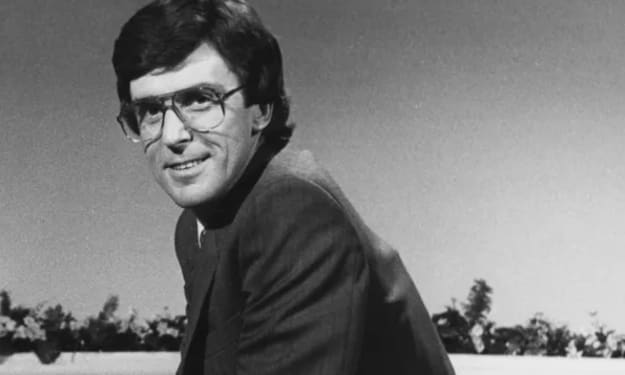
John Stapleton
John Stapleton: Celebrating a Broadcasting Legend and His Enduring Legacy For decades, John Stapleton was a fixture in British living rooms. As a co-host on iconic programmes like BBC's Breakfast Time and the consumer affairs show Watchdog alongside his wife, Lynn Faulds Wood, he became a trusted and familiar face. His straightforward presenting style and dedication to journalism made him a household name. However, recent online searches like "has john stapleton died" and "john stapleton death" have caused concern among his many fans. This article aims to separate fact from fiction and celebrate the life and career of this broadcasting veteran.
By KAMRAN AHMAD4 months ago in Interview
"Perfect Timing: Mastering the Art of Interview Punctuality"
Maya adjusted the strap of her bag as she stepped out of the metro station. Her eyes flicked to her watch — 9:42 a.m. Her interview at SolisTech Solutions wasn’t until 10:00, but she had planned her arrival down to the minute. Not too early, not late — just right. She took a deep breath of the cool morning air and smiled. For Maya, this wasn’t just another job interview. It was her first real opportunity to step into the tech world she’d spent years preparing for. And she knew that making a good impression started well before she even said a word. From the moment she began her job search, Maya had read everything she could about acing interviews. One piece of advice stood out more than any other: “Arrive on time — not too early, never late.” At first, that seemed obvious. But the more she thought about it, the more she realized how much that single detail could shape the way she was perceived. She had a friend, Leo, who had arrived 30 minutes early for an interview and ended up waiting awkwardly in a crowded lobby. The receptionist seemed annoyed, and the hiring manager wasn’t ready to receive him. The whole thing had thrown him off. “It made me feel like I was imposing,” he had told her. Maya took that lesson to heart. So here she was, standing across the street from the SolisTech building with just over 15 minutes to spare. She ducked into a nearby café, ordered a small tea, and reviewed her notes. She had researched the company, practiced her answers, and even prepared a few thoughtful questions. But above all, she reminded herself to stay calm and be herself. At 9:53, she stood up, tossed her cup, and made her way toward the building. The walk took exactly five minutes. At 9:58, she stepped into the sleek, modern lobby and approached the reception desk. “Hi, I’m Maya Singh. I have a 10 a.m. interview with Mr. Lawson,” she said, offering a friendly smile. The receptionist nodded and returned the smile. “Perfect timing, Maya. He’ll be out to meet you shortly.” Perfect timing. Those words reassured her more than she expected. As she sat down, Maya noticed how calm she felt — not rushed, not overly anxious, just present and ready. Within minutes, Mr. Lawson appeared with a warm greeting and a firm handshake. The interview flowed naturally. They talked about her background, her portfolio, and her passion for creating meaningful user experiences. Maya felt confident and clear-headed, and she realized how much of that came from the calm start to her day. As the interview wrapped up, Mr. Lawson said something that stuck with her: “You came in right on time, prepared and composed — that already says a lot about how you work.” Later that afternoon, Maya received a call from the HR department. She had made it to the final round. The experience reaffirmed what she had learned: being on time isn’t just about the clock; it’s about showing respect — for the interviewer, for the process, and for yourself. --- The Hidden Power of Timing Interview timing might seem like a small detail, but it can leave a lasting impression. Arriving too early can inconvenience the team and make you feel awkward. Arriving late, of course, can signal poor planning or a lack of seriousness. The sweet spot? Aim to arrive at the building 10 to 15 minutes early. Use those few minutes to center yourself. If you’re far too early, wait in a nearby coffee shop or take a short walk. Enter the office five minutes before your scheduled time — this shows you’re prompt, respectful, and thoughtful. It’s also wise to plan your route in advance. Consider traffic, weather, and transit delays. And always have a backup plan. --- Final Thoughts Maya didn’t get the job on punctuality alone — her skills and personality sealed the deal. But that first impression, built on a foundation of perfect timing, gave her the calm confidence she needed to shine. In a world where everyone is rushing, showing up right on time might just be your quiet superpower.
By Muhammad Saad 5 months ago in Interview
Mastering the Modern Interview
When Jordan Patel graduated with a degree in Marketing in 2020, he expected to walk into a job within a few months. Armed with a solid GPA, a few internships, and polished communication skills, he thought he was more than prepared for any interview that came his way. But the world had changed. The COVID-19 pandemic accelerated a shift in hiring practices. Zoom replaced conference rooms. Video assessments and AI screeners filtered applicants before human eyes ever reviewed resumes. Job requirements seemed to evolve faster than Jordan could tailor his cover letters. He applied for over 50 roles in his first three months after graduation. While he landed a few initial screenings, the rejections piled up. “We’ve decided to move forward with other candidates.” The phrase became so familiar it almost felt personal. Frustrated and uncertain, Jordan knew he needed a new approach. That’s when he stumbled upon a virtual workshop titled Mastering the Modern Interview: Insights and Strategies to Succeed in Today’s Evolving Job Market. Skeptical but desperate, he signed up. The workshop, led by career strategist Lena Xu, didn’t start with resume advice or generic tips about “dressing professionally.” Instead, she asked a simple but powerful question: “What story does your interview tell?” Jordan was puzzled. His story was that he went to a good school, interned at two mid-sized firms, and was eager to work. Wasn’t that enough? Lena explained that in the modern job market, where algorithms sort resumes and cultural fit often weighs as heavily as experience, candidates must be both storytellers and strategists. “In every interview,” she said, “you’re not just answering questions—you’re shaping perception. You’re demonstrating how you think, how you solve problems, and how you’ll fit into a team that may never work together in the same room.” Jordan took notes furiously. Here’s what he learned—and eventually used to turn his job search around. --- 1. Understand the New Hiring Funnel Modern hiring isn't linear. Many companies now use Applicant Tracking Systems (ATS) to scan resumes, followed by automated video interviews, skills assessments, and final-stage panels over video conferencing platforms. Jordan realized he wasn’t tailoring his resume to beat the ATS. After learning how to incorporate keywords from job descriptions, his response rate doubled. --- 2. Practice Behavioral Storytelling Rather than memorizing answers, Jordan started crafting concise stories using the STAR method—Situation, Task, Action, Result. For example, instead of saying, “I led a social media campaign,” he told a story about launching a campaign that increased engagement by 42% in six weeks, including how he collaborated with designers remotely during a lockdown. Lena emphasized: “Data plus emotion equals impact. Make your answers memorable.” --- 3. Show Remote Readiness Jordan also hadn’t realized the importance of demonstrating remote work skills—self-management, digital collaboration, and communication clarity. He began mentioning how he organized virtual brainstorming sessions and used project management tools like Asana and Slack during internships. --- 4. Engage Like a Consultant, Not a Job Seeker One breakthrough insight was treating interviews more like consultations than interrogations. Instead of just answering questions, Jordan started asking sharp, specific ones about company challenges. For a fintech marketing role, he asked, “What’s been the biggest hurdle in reaching Gen Z users, and how does the team plan to address it?” This positioned him not as a passive applicant, but as a curious, strategic thinker. --- 5. Embrace Digital Body Language Eye contact on Zoom means looking at the camera, not the screen. Jordan practiced keeping his posture open, avoiding fidgeting, and nodding attentively when others spoke. These subtle cues helped him build rapport—even over video. --- Over the next few weeks, Jordan revamped his entire approach. He landed interviews at three competitive startups. Each time, he entered with clear stories, practiced delivery, and thoughtful questions. Finally, he received an offer from a growing health-tech company—a role that didn’t just align with his skills, but with his long-term career goals. During his final panel interview, one of the directors said, “You really came across as someone who understands our mission and would hit the ground running.” --- The New Rules of Interviewing Jordan’s journey reflects a broader truth about today’s job market: the interview isn’t just a gatekeeping ritual—it’s a storytelling stage. Candidates must blend emotional intelligence, digital fluency, and strategic thinking to stand out. As Lena often said, “The resume gets you into the room. The story gets you the job.” Mastering the modern interview is about more than confidence—it’s about clarity, preparation, and understanding how the game has changed. Jordan’s story is just one example. But in an era where the landscape keeps shifting, the real skill isn’t just answering questions—it’s knowing which ones to ask, and how to tell your story in a way that truly resonates.
By Muhammad Saad 5 months ago in Interview
Nailing the Interview: Your Gateway to Career Success
Nailing the Interview: Your Gateway to Career Success Essential Tips, Mindsets, and Strategies to Shine and Stand Out Maya stood in front of the mirror, adjusting her blazer for the third time. She'd read the job description more times than she could count, memorized her resume, rehearsed answers aloud, and even practiced her “weakness” answer until it sounded almost charming. But no matter how much she prepared, the nerves still fluttered in her stomach like trapped birds. This was no ordinary interview. It was her gateway. After graduating with honors in marketing and enduring months of rejection emails and ghosted applications, this opportunity at a fast-growing tech startup felt like a turning point. She had to nail it. Earlier that week, Maya had shifted her strategy. She stopped mindlessly applying and started thinking intentionally. Instead of trying to fit herself into every job, she identified roles that matched not just her qualifications, but her passions and long-term goals. This job, a junior brand strategist role, hit all the marks. She dove deep into research—not just on the company, but on the people. She reviewed the CEO’s latest podcast interview, studied the brand’s tone across social media, and even noted how the company responded to customers online. “Know the company like you already work there,” her mentor had advised. That mindset changed everything. On the morning of the interview, Maya carried not just knowledge, but confidence. She’d turned fear into curiosity. Rather than obsessing over what they might ask, she thought, What do I want them to know about me? That shift—from fear to ownership—became her secret weapon. The video call started at exactly 10:00 a.m. Her interviewer, Clara, greeted her with a warm smile. Maya greeted her by name, thanked her for the opportunity, and asked how her morning was going. Not robotic small talk—just human conversation. That set the tone. Then came the questions. “Tell me about yourself.” Instead of launching into a rehearsed chronology, Maya told a short story. She spoke about the time she helped her university’s theater club rebrand their annual play campaign, boosting ticket sales by 40%. She wove in her passion for storytelling, her background in data-driven campaigns, and her love for connecting with audiences. It wasn’t just what she said, but how she said it—with energy, authenticity, and purpose. “Why do you want to work here?” Maya smiled. “Because your brand feels real. I’ve followed your growth over the past year, and what stood out wasn’t just your success—it was how you communicate. You speak with personality, and you listen to your customers. That’s the kind of brand I want to help grow.” Clara nodded, impressed. When asked about a time she failed, Maya didn’t sugarcoat it. She talked about a group project in college that fell apart due to poor communication—and how that experience pushed her to take a project management course and lead a student-run campaign with weekly team check-ins and clear deliverables. She didn’t just describe the failure—she explained how she grew from it. And finally, when Clara asked if she had any questions, Maya didn’t say, “Not really.” She asked thoughtful ones: “What’s a recent challenge the team faced and how did you overcome it?” “What does success look like for this role in the first six months?” “What’s one thing you love about working here that people outside the company might not expect?” The interview ended with smiles on both sides. Maya thanked Clara, mentioned that she was genuinely excited about the role, and followed up with a personalized thank-you email later that day—referencing a detail Clara had shared about a recent campaign and complimenting it sincerely. A week later, Maya received the call. She got the job. Looking back, she realized the key wasn’t just preparation—it was alignment. She’d stopped trying to mold herself to fit every opportunity and instead focused on where she naturally fit. She prepared thoroughly, yes, but she also approached the interview with clarity, intention, and authenticity. She’d learned that interviews aren’t just tests—they’re conversations. They’re not just about having the right answers, but about asking the right questions. And above all, they’re not about being perfect—they’re about being real, prepared, and purposeful. --- Takeaways from Maya’s Journey: Do Your Research: Go beyond the company’s “About Us” page. Understand their values, voice, and recent activity. Craft Your Narrative: Don’t recite your resume—tell a story that connects your experience to the role. Shift Your Mindset: Treat the interview as a two-way street. You’re evaluating them too. Own Your Weaknesses: Share failures honestly, but always tie them to growth. Ask Thoughtful Questions: Show curiosity, not just competence. Maya didn’t just land a job. She built a foundation for her career—one interview at a time.
By Muhammad Saad 5 months ago in Interview