
Vietnamese Lunar New Year: A Celebration of Heritage and Renewal
Discover the Rich Traditions of Tết Nguyên Đán

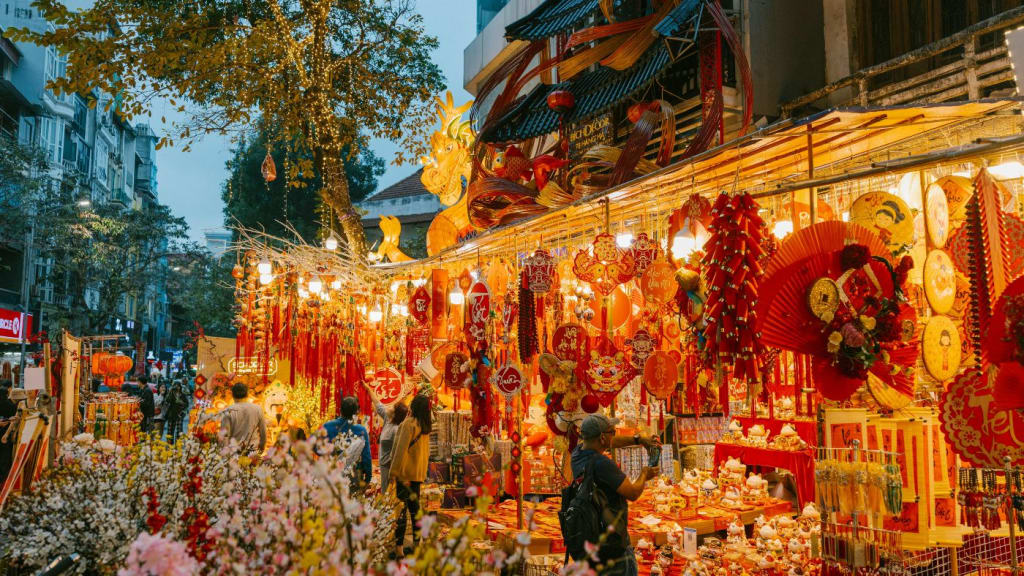
Vietnamese Lunar New Year: A Celebration of Heritage and Renewal
The Vietnamese Lunar New Year, widely known as Tết Nguyên Đán, is the most important and celebrated traditional holiday in Vietnam. This vibrant and meaningful festival marks the start of a new year according to the lunar calendar, symbolizing renewal, family togetherness, and hope for the future. For centuries, Tết has been a cornerstone of Vietnamese culture, drawing people together to honor traditions and welcome new beginnings.
When Does the Vietnamese Lunar New Year Take Place?
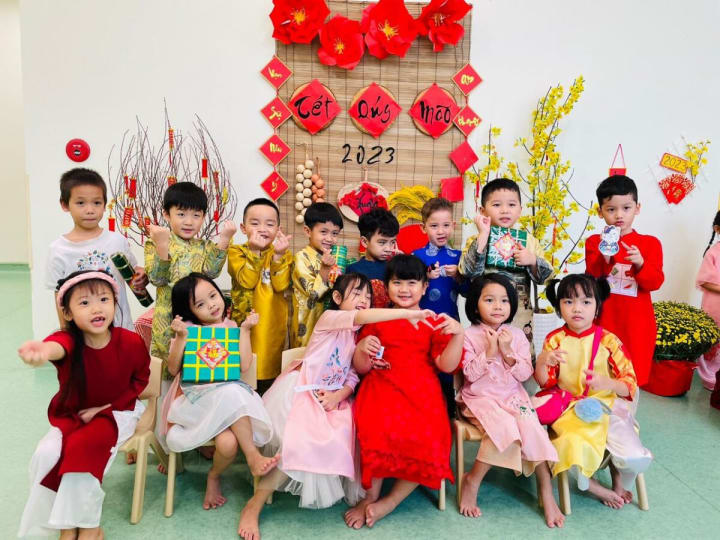
Tết, the Vietnamese Lunar New Year, usually falls between late January and mid-February, depending on the lunar calendar. This highly anticipated holiday marks the beginning of a new year, a time when families come together to celebrate, reflect, and honor their ancestors. The preparations for Tết often start weeks in advance, as people clean their homes, buy special foods, and decorate with symbolic items such as peach blossoms, kumquat trees, and red banners for good luck. The holiday itself spans several days, filled with festive family gatherings, prayers to ancestors, and various cultural activities such as lion dances, fireworks, and traditional music.
During Tết, it is common for people to visit relatives, exchange gifts, and enjoy special dishes like bánh chưng, bánh tét, and pickled onions, which hold deep cultural significance. The exact date of Tết varies each year due to its connection with the lunar calendar, but the customs and spirit of the holiday remain timeless. The celebrations serve as a way to honor the past, welcome the future, and share love and joy with friends and family. For many, Tết is not just a holiday; it is an important occasion to reconnect with roots, renew bonds, and enjoy the warmth of the home and community.
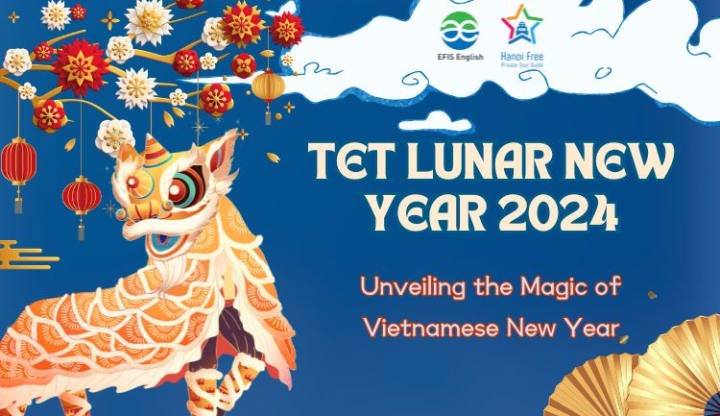
Traditions and Customs of Tết
The Vietnamese Lunar New Year is steeped in unique traditions that reflect the nation’s cultural heritage. Here are some highlights:
- Cleaning and Decorating Homes: In the days leading up to Tết, families clean their houses to sweep away bad luck and make way for good fortune. Homes are decorated with symbols of prosperity, such as kumquat trees, peach blossoms, and red banners.
- Ancestor Worship: Families pay homage to their ancestors by preparing offerings at home altars and visiting graves. This act of respect underscores the importance of family ties in Vietnamese culture.
- Traditional Foods: Tết wouldn’t be complete without iconic dishes like bánh chưng (square sticky rice cake) and bánh tét (cylindrical sticky rice cake), which are prepared and enjoyed as symbols of gratitude and abundance.
- Exchanging Lì Xì (Red Envelopes): Children and younger family members receive red envelopes containing money, a gesture of good luck and blessings for the new year.
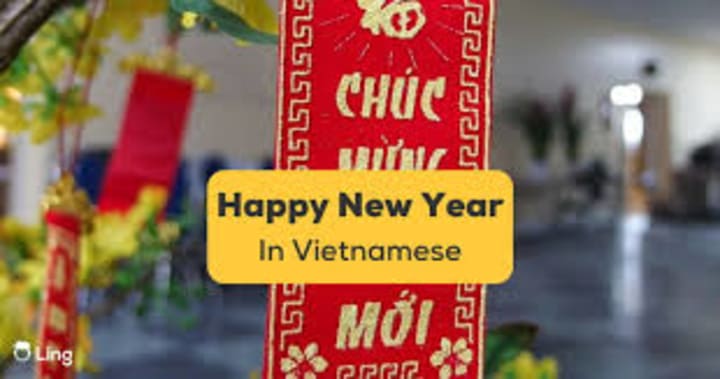
- New Year Greetings: People exchange heartfelt wishes for health, happiness, and prosperity. Common phrases include "Chúc Mừng Năm Mới" (Happy New Year) and "An khang thịnh vượng" (Health and prosperity).
Cultural Significance of Tết
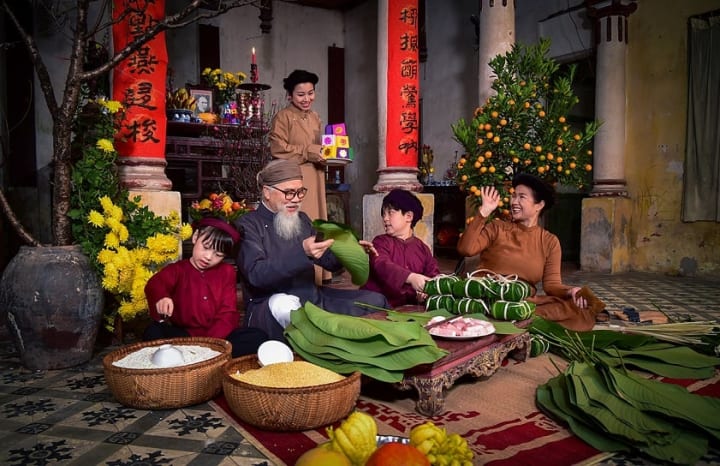
Tết is much more than just a festive celebration; it’s a profound time of reflection, gratitude, and hope. It signifies a spiritual renewal, where people reflect on the past year, letting go of any hardships or challenges they may have faced, and embracing the opportunities that lie ahead. This moment of renewal is an opportunity for individuals to clear their minds, set new goals, and restore a sense of optimism for the future. The holiday also plays a crucial role in strengthening familial bonds. During Tết, family members, both near and far, come together to celebrate and share in the joy of the occasion, reinforcing the importance of unity, love, and togetherness. As families honor shared traditions, the connections between generations are deepened, and a sense of cultural pride is passed down to younger members. Tết, thus, becomes a cherished occasion not only for its festivities but for its role in fostering familial harmony and cultural continuity.
Why Is the Vietnamese Lunar New Year Special?
The Vietnamese Lunar New Year offers an extraordinary glimpse into Vietnam’s rich culture. With its colorful decorations, delicious foods, and heartfelt customs, Tết showcases the values of respect, family, and hope that define Vietnamese identity. Whether you’re exploring the bustling Tết markets or enjoying a family meal, the spirit of Tết leaves a lasting impression on all who experience it.
Final Thoughts
The Vietnamese Lunar New Year, Tết, is a celebration unlike any other, seamlessly blending rich tradition, boundless joy, and a sense of spiritual renewal. As Vietnam’s most cherished and widely celebrated holiday, Tết holds deep significance for its people, embodying the enduring values that have been passed down through generations. It is a time when the entire nation comes together to honor the past, celebrate the present, and welcome the future with hope and optimism. Tết offers a unique opportunity to connect with Vietnam’s vibrant cultural heritage, from its traditional foods to its ancient customs and festive rituals.
If you ever have the chance to celebrate Tết, immerse yourself fully in its traditions, and you’ll not only experience the warmth and hospitality of the Vietnamese people but also discover the true heart and soul of the country. Whether it's sharing a meal with family, watching a lion dance performance, or simply appreciating the symbolic decorations that adorn homes and streets, celebrating Tết will give you a deeper understanding of the cultural spirit that defines Vietnam. Through this celebration, you will gain insight into the values of family, respect for ancestors, and the collective optimism that marks the beginning of a new year in the Vietnamese tradition.
About the Creator
Green Technology For Life
Discover smart and efficient home products to enhance your daily life. From portable heaters to innovative IoT devices, find solutions that bring comfort, safety, and convenience to your family. Explore ideas for creating a cozy,
Keep reading
More stories from Green Technology For Life and writers in Interview and other communities.
The Ultimate Guide to Travel: Types, Benefits, and Future Trends
The Ultimate Guide to Travel: Types, Benefits, and Future Trends Travel is more than just moving from one place to another; it is a gateway to personal growth, cultural immersion, and unforgettable memories. Whether you are a leisure seeker, an adventurer, or a cultural enthusiast, the world offers endless opportunities to explore. This article delves into the diverse types of travel, their benefits, and the future trends shaping how we journey across the globe.
By Green Technology For Lifeabout a year ago in Interview
Center Stage with Paul Stewart
*** I'm keen to republish the interviews I did for my series with Vocal creators. It's been a few years and I thought it might be nice to revisit these wonderful conversations. I'll be releasing them one at a time for a few weeks/months.
By Heather Hubler5 days ago in Interview
Enzo Zelocchi and the Economics of Building a Screen Career
Building a sustainable career in the entertainment industry requires far more than talent alone. Acting, at its core, is both an art and a business—one where creative ambition must align with economic reality. Enzo Zelocchi’s career offers a compelling case study in how modern actors navigate this balance, combining discipline, branding, and strategic decision-making to create long-term professional value.
By Brian Smithabout 16 hours ago in Interview
How, Too
Many people wonder how, too. You are not alone, and I am an expert. I will teach you how, too! First, you need to remit a small application fee and fill out an application describing the nature of your financial situation and how often payments will be made, as this will have great bearing on how well I teach you how, too.
By Harper Lewis4 days ago in Fiction




Comments
There are no comments for this story
Be the first to respond and start the conversation.