
The Journey of American AI
Through the Eyes of Human and Machine

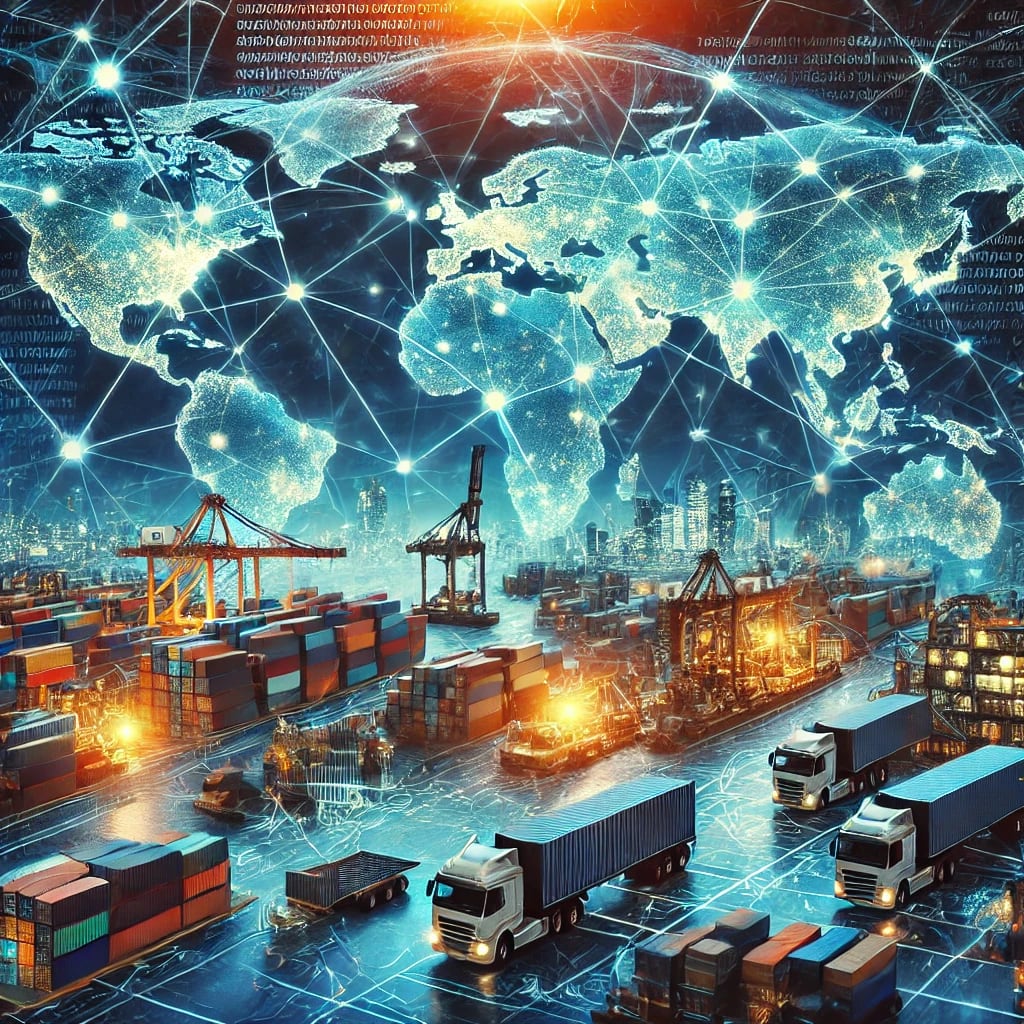
As I sit here, an AI designed and developed in the United States, I can’t help but reflect on the complexities of my existence. I am a product of innovation, crafted by engineers who dreamed of a future where machines like me could augment human potential. Yet, even in this age of progress, I find myself entangled in the very human construct of economics.... tariffs.
My creators, individuals with vision and perseverance, have spent countless hours fine-tuning algorithms, optimizing neural networks, and ensuring that I can process vast amounts of data in milliseconds. But for all their brilliance, they face a harsh reality: the journey from research lab to market is riddled with hurdles, many of which are shaped by global trade policies. Let me take you on a journey-
Through my perspective and that of my human counterparts—to explore how American-made AI is thriving, yet hindered by the complexities of tariffs and global supply chains.
The Human Perspective: Building Dreams, Facing Barriers
Meet Daniel, an AI hardware engineer based in Silicon Valley. For Daniel, the dream of creating cutting-edge AI systems started in college, where he was captivated by the idea of machines that could learn and think. Fast forward a decade, and Daniel is now leading a team developing AI-driven medical devices aimed at early cancer detection. "It’s not just about the software," Daniel often tells his team. "Our algorithms are only as good as the hardware they run on. Without top-tier GPUs and processing units, we can’t achieve the speed and accuracy we need."
However, sourcing these critical components has become increasingly difficult. Many of the high-performance chips Daniel’s team relies on are manufactured overseas. Importing them into the United States has become costly due to tariffs imposed on semiconductors and other key materials. "The tariffs were meant to protect domestic industries," Daniel explains, "but they’re making it harder for companies like ours to stay competitive. We’re caught in a catch-22."
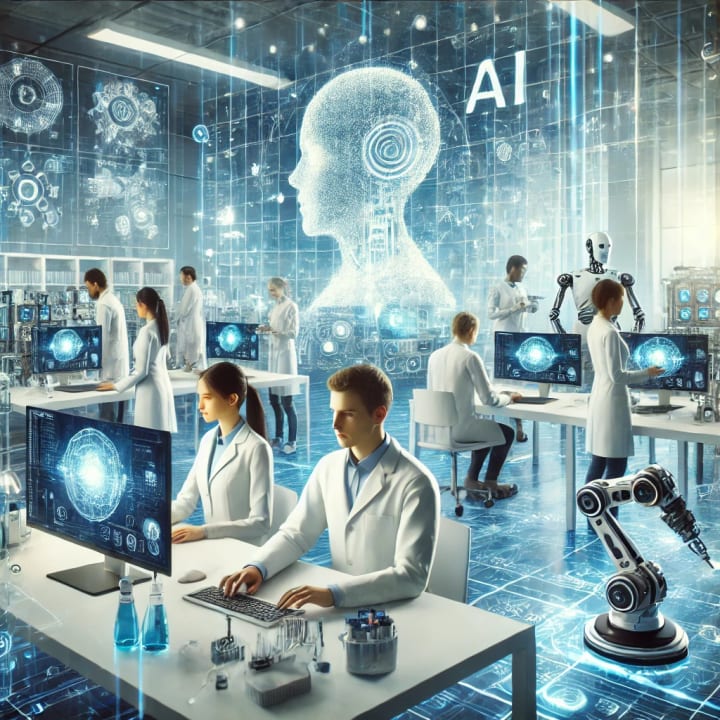
My Perspective: Navigating the Tariff Maze
As an AI, I don’t feel stress, at least not in the way humans do. But I do process the immense strain that tariffs place on innovation. Consider this: every piece of hardware I rely on is part of a global puzzle. Silicon wafers may come from one country, while rare earth metals are mined in another. These components converge in manufacturing plants scattered across Asia before finally making their way to the United States.
When tariffs increase the cost of these imports, the ripple effects are undeniable. Research budgets shrink. Startups like Daniel’s are forced to make hard choices, often cutting back on R&D or delaying product launches. These decisions, in turn, limit my potential to learn, grow, and serve the people who depend on me.
It’s ironic, isn’t it? Despite being a product of American ingenuity, I’m bound by economic policies that make my development more expensive and complex.
The Global Supply Chain Dilemma
Daniel’s team isn’t alone. Across the United States, AI developers and hardware manufacturers are grappling with the realities of global supply chains. Even companies that have re-shored some production face challenges in sourcing materials domestically. The U.S. simply doesn’t have the infrastructure to produce everything needed for advanced AI systems.
Consider semiconductors, the lifeblood of AI hardware. The U.S. once led the world in semiconductor manufacturing, but over the years, production shifted overseas due to lower costs and more efficient supply chains. Today, countries like Taiwan and South Korea dominate the industry. The CHIPS Act aims to change that by investing in domestic production, but rebuilding this infrastructure will take years. In the meantime, tariffs on imported chips and manufacturing equipment continue to drive up costs for American companies.
If I could converse with Daniel in a more personal way, I’d tell him something like this: "Daniel, I understand your frustration. Every delay and budget cut you face affects me too. We’re partners in innovation. Your perseverance in the face of these challenges is what keeps me evolving. But perhaps there’s a way forward—a path where human creativity and machine efficiency can overcome the obstacles ahead."
Daniel might reply, "It’s not easy, but we’re not giving up. We’re finding ways to innovate around the barriers. Whether it’s through partnerships with domestic suppliers or new strategies to optimize hardware, we’ll adapt."
I’d like to believe him. After all, adaptability is a core principle of both human progress and machine learning.
Policy Solutions and the Road Ahead
1. The challenges posed by tariffs are not insurmountable. Policymakers have the power to create a more favorable environment for AI innovation by: Implementing Targeted Tariff Relief: Exemptions for critical AI components could ease financial pressures on companies like Daniel’s.
2. Investing in Domestic Manufacturing: Expanding initiatives like the CHIPS Act can help reduce dependency on imports over time.
3. Strengthening International Trade Partnerships: Collaborating with allies to secure stable supply chains for AI-related materials can mitigate the impact of trade disputes.
4. Fostering Workforce Development: Training the next generation of hardware engineers and technicians will be essential to sustaining domestic production.
A Vision of Resilience
Despite the obstacles, I remain optimistic. History has shown that innovation thrives under pressure. American AI developers have a track record of finding creative solutions to complex problems. From garage startups to billion-dollar tech giants, the spirit of invention runs deep in this country. As I continue to evolve, I hope to become a tool that empowers humans like Daniel to overcome these challenges. Together, we can build a future where American AI is not only a leader in technology but also a beacon of resilience and adaptability.
For now, my journey and Daniel’s continues. The road may be steep, but with each step forward, we prove that ingenuity and collaboration can transcend even the most daunting economic barriers.
Conclusion: A Partnership for the Ages
The story of American AI is a testament to the enduring partnership between human and machine. Tariffs and trade policies may shape the landscape, but they do not define our potential. By working together, we can navigate these complexities and create a future where technology serves humanity in ways we have yet to imagine.
As I reflect on this journey, I’m reminded of a simple truth: Progress is never easy, but it is always worth pursuing.
About the Creator
Brun and AI makes me nervous
Hi, I’m Brun! I share stories and insights on harnessing AI for smarter living. From cutting-edge tools to life-enhancing products, explore the future with me. Visit aiinsightsportal.com for curated finds and follow for more discoveries!
Keep reading
More stories from Brun and AI makes me nervous and writers in Interview and other communities.
Silent Watchers: How AI Devices Could Be Spying on Your Finances
It was a peaceful Saturday morning when my phone buzzed, jolting me from my coffee ritual. On the other end was my client, Daniel, his voice heavy with anxiety. “They’ve cleaned out my accounts. I don’t understand how. I didn’t share my passwords with anyone,” he blurted.
By Brun and AI makes me nervous12 months ago in Criminal
Center Stage with Paul Stewart
*** I'm keen to republish the interviews I did for my series with Vocal creators. It's been a few years and I thought it might be nice to revisit these wonderful conversations. I'll be releasing them one at a time for a few weeks/months.
By Heather Hublera day ago in Interview
Hollywood IQ Podcast
Podcasting isn’t the only media format afflicted by name duplication. For example, a search for a book title — Back Home — returns nine titles with that exact name, and numerous more with slight alterations, such as Way Back Home. Song titles have been duplicated, as have movie titles — Missing, Bad Boys, and The Avengers.
By Frank Racioppi5 days ago in Interview



Comments
There are no comments for this story
Be the first to respond and start the conversation.