
Taraji P. Henson on Healing, Hollywood, and Giving Voice to the Voiceless
Taraji P. Henson Gets Real: On Healing, Hollywood, and Finding Peace in the Chaos

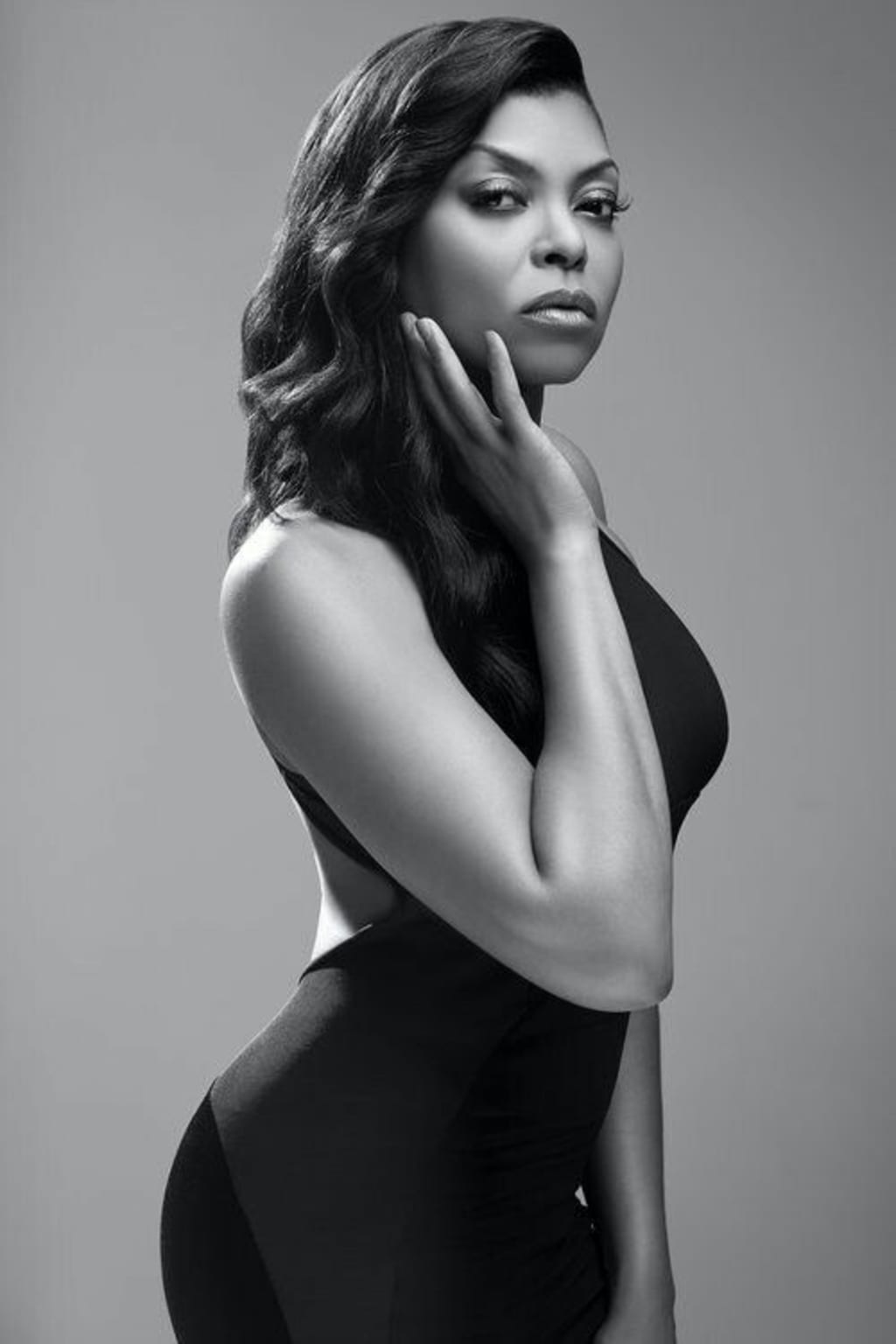
You ever have one of those moments where you’re scrolling through your phone, half-distracted, and then something stops you dead in your tracks? That’s what happened to me when I caught Taraji P. Henson on The Breakfast Club recently. She walked into that studio, all fire and grace, and dropped truth bombs that hit like a fastball to the heart. I mean, here’s a woman who’s been in the game for decades, stealing scenes in Baby Boy, owning Empire as Cookie Lyon, and now carrying Straw on Netflix with a performance that’s raw, real, and gut-wrenching. But what got me wasn’t just her resume-it was her honesty about life, healing, and the weight of being a Black woman in Hollywood. So, let’s talk about it.
A Woman Who’s Done with the BS
There’s something about Taraji that feels like home, you know? Maybe it’s the way she laughs, loud and unapologetic, or how she calls it like she sees it. On The Breakfast Club, she was in her element, joking with DJ Envy, Charlamagne Tha God, and Jess Hilarious, but also getting real about the stuff most people in Hollywood gloss over. “I’m a grown-ass woman,” she said, her voice carrying that mix of exhaustion and defiance. “Just be real with me. Don’t blow smoke.” And I felt that. How many times have you just wanted someone to keep it 100 with you? No fluff, no fake promises-just the truth.
She’s at a point in her life where she’s done with the unhealed baggage of others. “I can’t take on your trauma while I’m trying to get over mine,” she told the hosts, and I had to pause. That’s the kind of clarity that comes from years of navigating life’s highs and lows. Taraji’s been open about her mental health journey, from her game-changing solo trip to Bali to her advocacy for therapy and self-care. She’s not just surviving Hollywood-she’s carving out space for herself and others to heal. And that’s not easy when the world expects you to be “on” all the time.
From Bali to Breakthroughs
Let’s back up a bit. Taraji’s Bali trip wasn’t just a vacation-it was a lifeline. She described feeling “outside of herself,” like the joy that usually spills out of her was locked up somewhere. “I was tight all the time,” she admitted, “not happy, complaining a lot.” That’s not the Taraji we know, the one who lights up a room like nobody’s business. So, she unplugged. She went to a rice field in Bali, alone, and found herself again. Can you imagine that? Just you, the quiet, and a chance to breathe. It’s the kind of thing we all dream of doing but rarely have the courage to pull off.
That trip reshaped her. It’s why she’s so fierce about protecting her peace now. “Is it going to disturb my peace?” she asks before saying yes to anything. I love that. It’s like she’s built this invisible shield around her soul, and she’s not letting just anybody through. She even laughed about skipping events that don’t feel right, saying, “No is my favorite word.” How freeing is that? To just say no and not owe anyone an explanation. I’m taking notes.
Giving Voice to the Voiceless in Straw
Then there’s Straw, her new Netflix film that’s got everyone talking. Taraji plays Janiah, a single mother pushed to her breaking point, and let me tell you, it’s heavy. The movie unfolds in one day, and Taraji had to channel so much trauma in just four days of shooting. Four days! Can you even wrap your head around that? She described it as taxing but healing, like reopening old wounds to let them breathe. “I’m drawn to characters who are voiceless and need a voice,” she said, and that’s exactly what she does with Janiah.
What hit me hardest was how she connected Janiah’s story to real life. “These women exist,” she said, talking about the single moms, the people battling invisible struggles, the ones society overlooks. She’s not just acting-she’s holding a mirror up to the world, forcing us to see the people we walk past every day. And when she talked about the sisterhood in the film, how Black women rally around Janiah even at her lowest, I got chills. “We need each other,” she said. “We’re more powerful when we support each other.” Amen to that.
Hollywood’s Math Ain’t Mathing
Taraji didn’t shy away from the tough stuff either. She got real about the industry-how the paychecks don’t always match the hype. “The math ain’t mathing,” she said, breaking down how a $10 million paycheck isn’t $10 million after taxes and your team takes their cut. It’s why she’s had to work so much, why burnout crept in before that first Bali trip. She even got emotional talking about the frustration of being lowballed, of pouring her heart into roles like Hidden Figures and still feeling overlooked. “What do I have to do?” she asked, and you could hear the hurt in her voice.
But here’s the thing: Taraji’s not bitter anymore. She’s taken her power back. She’s strategic, too-speaking out about pay inequity wasn’t just emotional; it was a move to demand respect. And it worked. “Hollywood started coming correct,” she said with a grin. That’s the Taraji I admire-the one who fights for what’s right, not just for herself but for everyone coming up behind her.
The Power of Being Seen
What really stuck with me was her message about seeing people. Not just saying “How you doing?” but actually meaning it. In Straw, Janiah’s story is a reminder that everyone’s fighting battles we can’t see. “Move with grace,” Taraji urged. “You never know what somebody’s going through.” It’s such a simple thing, but how often do we really stop to listen? To connect? I’m guilty of rushing through conversations, but her words made me want to slow down, to be present.
She told a story about being overseas, thinking no one would know her, only to be mobbed by fans-from grandmas to kids. It threw her, in the best way. “Dang, I’m still relevant,” she laughed. But it’s more than that. It’s proof that her work, her advocacy, her realness-it’s reaching people. From a grocery store run to a film set, Taraji’s out here reminding us that we’re not alone.
A Light in the Dark
As I sit here, thinking about Taraji’s words, I can’t help but feel inspired. She’s not just a star-she’s a survivor, a truth-teller, a sister. She’s someone who’s been through the fire and come out glowing, not because life’s easy, but because she’s learned to protect her peace and lift others up along the way. Straw isn’t just a movie; it’s a call to see the unseen, to hold space for the broken, to show up for each other. So, what’s it going to take for us to do that in our own lives? To say “How you doing?” and actually care about the answer? I’m starting today. How about you?
About the Creator
KWAO LEARNER WINFRED
History is my passion. Ever since I was a child, I've been fascinated by the stories of the past. I eagerly soaked up tales of ancient civilizations, heroic adventures.
https://waynefredlearner47.wixsite.com/my-site-3
Keep reading
More stories from KWAO LEARNER WINFRED and writers in Interview and other communities.
Dr. Umar Johnson Returns: A Passionate Voice for Pan-Africanism and Social Justice
In a vibrant and thought-provoking conversation, Dr. Umar Johnson, the outspoken Pan-African scholar and activist, made a triumphant return to the podcast scene, broadcasting from his birthplace of Philadelphia. Known for his unapologetic advocacy for Black empowerment and unity, Dr. Johnson shared his insights on a range of pressing issues, from historical reflections to contemporary controversies, all while emphasizing the importance of cultural pride and self-determination.
By KWAO LEARNER WINFRED8 months ago in Interview
Center Stage with Paul Stewart
*** I'm keen to republish the interviews I did for my series with Vocal creators. It's been a few years and I thought it might be nice to revisit these wonderful conversations. I'll be releasing them one at a time for a few weeks/months.
By Heather Hubler3 days ago in Interview
A Story of Taylor Swift
On a quiet Christmas morning in Reading, Pennsylvania, a young girl sat on the edge of her bed holding a guitar that was nearly as big as she was. Her fingers pressed carefully against the strings as she tried to match the melodies she heard in her head. Her name was Taylor Swift, and even at that young age, she understood something important: music was not just sound—it was a way to tell the truth. Long before stadium lights and chart-topping records, Taylor was learning how to turn feelings into stories.
By Organic Products a day ago in Interview



Comments
There are no comments for this story
Be the first to respond and start the conversation.