
Interview with Zaheer Abbas Singer : A Journey Through Sufi and Classical Music
Sufi Singer


Name: Zaheer Abbas
Profession: Sufi Singer & Classical Musician
Genre: Sufi, Classical, Qawwali
Interviewer: Hi Zaheer, thank you for joining us today! You’re widely known for your work in Sufi and Classical music. Can you tell us a bit about how you got started in music and what inspired you to pursue this path?
Zaheer Abbas: Thank you for having me! My journey into Sufi and Classical music started from a very young age. Growing up in a family that appreciated traditional music, I was exposed to it early on. Sufi poetry and qawwali had a profound impact on me, especially the works of poets like Bulleh Shah, Shah Abdul Latif, and Rumi. The themes of divine love, spirituality, and human connection spoke to me deeply. I started learning classical music at a young age, and over the years, I trained under some of the best classical musicians. As I grew older, I found my true calling in Sufi music, where I could blend the richness of classical techniques with the deep spirituality of Sufi poetry.
Interviewer: That’s fascinating! Sufi music is so powerful and evocative. How would you describe the connection between Sufi music and classical music?
Zaheer Abbas: Sufi and classical music are deeply interconnected. Classical music is the foundation of much of what we know as Sufi music today. The structure, the ragas, and the use of microtones in classical music create a mood and emotional atmosphere that perfectly complements the spiritual themes of Sufism. Classical music focuses on the technical aspects of sound, rhythm, and melody, while Sufi music channels those elements into a spiritual experience, where the goal is to connect with the divine. For me, Sufi music allows classical music to go beyond technique and become a soulful expression, evoking feelings of devotion, love, and transcendence.
Interviewer: You’ve performed many classical and Sufi pieces. What would you say is the most challenging aspect of performing these genres?
Zaheer Abbas: One of the biggest challenges is the emotional intensity of the music. Sufi music isn’t just about singing—it’s about feeling the poetry and expressing that emotion through your voice. The classical techniques, the ornamentation, and the ragas add layers of complexity, but the real challenge is to make it connect with the audience on a spiritual level. In Sufi music, it’s all about inner peace, devotion, and surrender. You have to let go of your ego and let the music flow through you. It’s a very personal and transformative experience, both for the artist and the listener.
Interviewer: That’s beautiful. The themes of spirituality and love in Sufi poetry are timeless. How do you select the poems or pieces you perform, and what do you look for in a piece when you decide to sing it?
Zaheer Abbas: I always look for poetry that speaks to the heart, something that resonates deeply with my soul. The essence of Sufi poetry is to communicate a sense of divine love, seeking truth, and spiritual liberation. It’s not just about the words; it’s about the feeling behind them. I often gravitate toward poets like Bulleh Shah, Rumi, and Shah Abdul Latif because their words touch on universal themes of love, self-discovery, and the search for inner peace. When I read a poem, I try to connect with its deeper meaning before I perform it. It has to move me emotionally before I can share that emotion with my audience.
Interviewer: You’ve had such an impact on the Sufi and classical music scenes. What advice would you give to young artists who are just starting out in these genres?
Zaheer Abbas: I would tell them to stay true to the roots of the music but also be open to innovation and expression. Classical music and Sufi music are deeply rooted in tradition, but it’s important to allow the music to grow with you. Don’t be afraid to bring your own voice and creativity into it. Train diligently and understand the fundamentals of classical music, but always remember that music, at its core, is about emotion and connection. For young artists, the most important thing is to stay humble, work hard, and allow the music to speak for itself. Always perform from the heart and stay connected to the essence of what you’re singing.
Interviewer: Lastly, Zaheer, what does the future hold for you? Any upcoming projects or goals you’re working on?
Zaheer Abbas: The future is exciting! I’m working on a few new projects that blend traditional Sufi music with modern sounds, bringing the classical and contemporary worlds together. I believe there is a lot of potential in merging different genres while keeping the essence of Sufi spirituality intact. I’m also looking forward to collaborating with other musicians and artists from different cultures to see how Sufi music can continue to evolve. Ultimately, I want to continue spreading the message of love, peace, and spiritual unity through my music, both locally and globally.
Interviewer: It’s been such a pleasure speaking with you, Zaheer. Thank you for sharing your insights into the world of Sufi music and classical traditions. We wish you all the best in your future endeavors!
Zaheer Abbas: Thank you so much! It’s been a pleasure sharing my thoughts with you. I hope the music continues to inspire and bring peace to those who listen.
About the Creator
Keep reading
More stories from Music Global and writers in Interview and other communities.
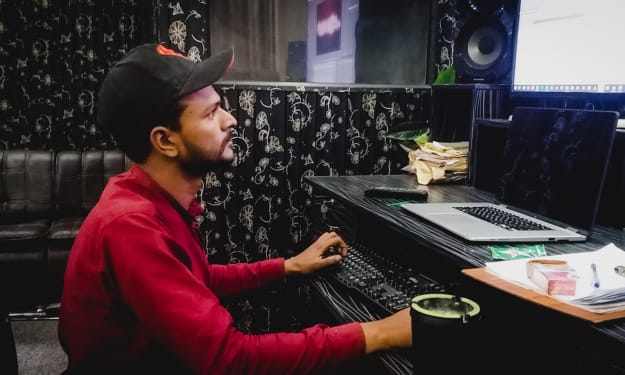
Interview with Arbaz Jutt: Social Media Artist & Promoter
Name: Arbaz Jutt Date of Birth: August 6, 1996 Hometown: Lahore, Pakistan Profession: Social Media Artist & Promoter Interviewer: Hi Arbaz, thank you for joining us today! To start, can you tell us a little about yourself and how you got started in the world of social media promotion?
By Music Global about a year ago in Interview
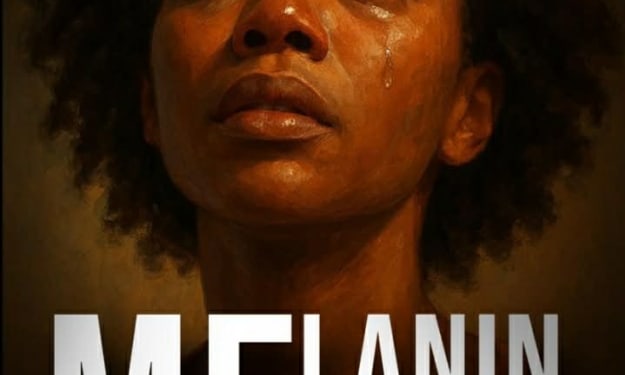
Part 2 Interview With Joe Patterson, Author Of Melanin Memoirs
This is my second interview with Joe Patterson. His 4th anniversary writing on Vocal will be in March 2026. He has one achievement on Vocal, The Other Foot. He has over 17,000 reads on Vocal since he started on Vocal in 2022. Joe Patterson is very creative poet and rapper. Joe is deep thinker and I feel it is reflected in his latest published book, Melanin Memoirs.
By Mariann Carroll20 days ago in Interview
I MADE THE SHADE ROOM!!!!
Honestly, this was unexpected but yes I was on the Shade Room. Three months ago, I wrote a story about Celebrities getting Honorary Degrees and how Rapper Young Joc, Reality Stars Cynthia Bailey and Towanda Braxton are receiving their honorary doctorates and accepting their titles from this so-called bible christian university.
By Gladys W. Muturia day ago in Interview
Who is your "Person"?
It's important to recognize that you cannot go through life as easily on your own. My name is Elizabeth and I'm a survivor of child abuse and horrific trauma. Healing from trauma is not a quick fix and recognizing that it will take time, is part of the struggle.
By Elizabeth Woods2 days ago in Psyche


Comments
There are no comments for this story
Be the first to respond and start the conversation.