

Broken Smile: The Hidden Pain Behind a Happy Face
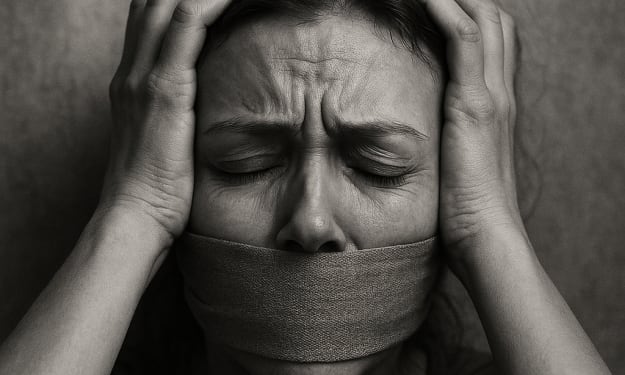
We’ve all seen it—someone with a radiant smile, laughter that fills the room, a cheerful demeanor that lights up even the darkest days. But sometimes, that smile is broken beneath the surface. It hides pain, sadness, or struggles that no one around them realizes. The “broken smile” is a mask, a fragile facade that conceals a deeper story of hurt and resilience.
The Mask We Wear
Smiling feels like a natural response to happiness, but for many of us, it becomes a way to mask what we’re really feeling. I used to be that person. No matter how heavy my heart was, I plastered on a smile because I didn’t want to burden anyone. I wanted to be seen as strong, capable, and in control—even when inside, I felt lost.
This mask becomes a double-edged sword. On one hand, it protects us from unwanted questions, pity, or judgment. On the other hand, it isolates us, trapping our pain behind a perfect smile that fools even those closest to us.
Why Do We Hide Behind a Broken Smile?
There are many reasons why people hide their pain behind a smile. Sometimes, it’s because we don’t know how to express what we’re feeling or we fear being vulnerable. Other times, it’s because society has taught us that showing weakness is unacceptable.
For me, the broken smile was a defense mechanism. I believed that if I admitted my struggles, I would lose control or be perceived as “not enough.” I thought my pain was a burden that no one else wanted to carry. So, I smiled through the tears and pretended everything was fine.
The Cost of Pretending
Hiding pain behind a smile isn’t sustainable. It drains your energy, leaving you emotionally exhausted. The weight of unresolved emotions can manifest in many ways—depression, anxiety, physical illness, or even numbness. Over time, the broken smile becomes a barrier between you and the authentic connections you crave.
I experienced this firsthand. My friends thought I was happy and thriving, but inside, I was struggling with grief and loneliness. The more I hid, the more disconnected I felt. It wasn’t until I allowed myself to be vulnerable that I began to heal.
The Moment the Mask Fell
There was a moment when the broken smile cracked—when I finally admitted to myself that I couldn’t keep pretending. It was during a quiet evening alone, tears streaming down my face for the first time in years. I realized that my smile, no matter how bright, wasn’t enough to hide the pain inside.
That moment was terrifying and freeing. I reached out for support—friends, family, and a therapist. I learned that true strength comes from honesty, not hiding. Vulnerability became my path to connection and healing.
Healing the Broken Smile
Healing doesn’t mean the pain disappears; it means learning to live with it authentically. It means giving yourself permission to be imperfect, to feel deeply, and to ask for help. It’s about finding spaces where you can be your true self, broken smile and all.
If you wear a broken smile, know that it’s okay to take it off sometimes. You don’t have to carry your pain alone. Sharing your story can inspire others to do the same, creating a community of support and understanding.
How to Support Someone with a Broken Smile
If you notice someone who always seems “fine” but might be hiding pain, here are ways to help:
Look beyond the smile: Ask gentle questions and listen without rushing to fix.
Create safe spaces: Encourage openness without judgment or pressure.
Check in regularly: Small gestures can show you care and they’re not alone.
Share your own struggles: Normalizing vulnerability helps others feel safe.
Encourage professional support: Therapy can be a powerful tool for healing.
The Power of Authenticity
The world needs less broken smiles and more authentic faces. When we allow ourselves and others to show what’s really inside, we create deeper connections and foster true empathy. The broken smile may have been our shield, but it’s vulnerability that becomes our strength.
If you’re hiding behind a broken smile today, remember: your feelings are valid, your pain is real, and you are worthy of love and support just as you are.
About the Creator
Keep reading
More stories from Anwar Jamil and writers in Interview and other communities.
Silent Struggle
Silent Struggle: The Invisible Battle We Fight Behind Closed Doors Sometimes, the hardest battles we fight are the ones no one else sees. We smile, we carry on, and we act like everything is fine, even when inside, we feel like we’re falling apart. This is the reality of the silent struggle—those invisible emotional and mental battles that people endure every day, often alone and unheard.
By Anwar Jamil8 months ago in Motivation
Part 2 Interview With Joe Patterson, Author Of Melanin Memoirs
This is my second interview with Joe Patterson. His 4th anniversary writing on Vocal will be in March 2026. He has one achievement on Vocal, The Other Foot. He has over 17,000 reads on Vocal since he started on Vocal in 2022. Joe Patterson is very creative poet and rapper. Joe is deep thinker and I feel it is reflected in his latest published book, Melanin Memoirs.
By Mariann Carroll16 days ago in Interview
Melbourne to Walmart: How CEO Qinghua Siluo Built a $10M Sustainable Global Pet Empire
Entrepreneur Qinghua Siluo did not set out to just sell pet supplies; he set out to fix a seventy-year-old mistake. For decades, the world relied on heavy clay, which filled homes with dust and scarred the earth through mining. Most people accepted the mess as a part of owning a cat. Siluo did not. From his home in Melbourne, he looked at this stagnant $12 billion industry and saw an opportunity to do better.
By Arpan Thapa4 days ago in Interview


Comments
There are no comments for this story
Be the first to respond and start the conversation.