

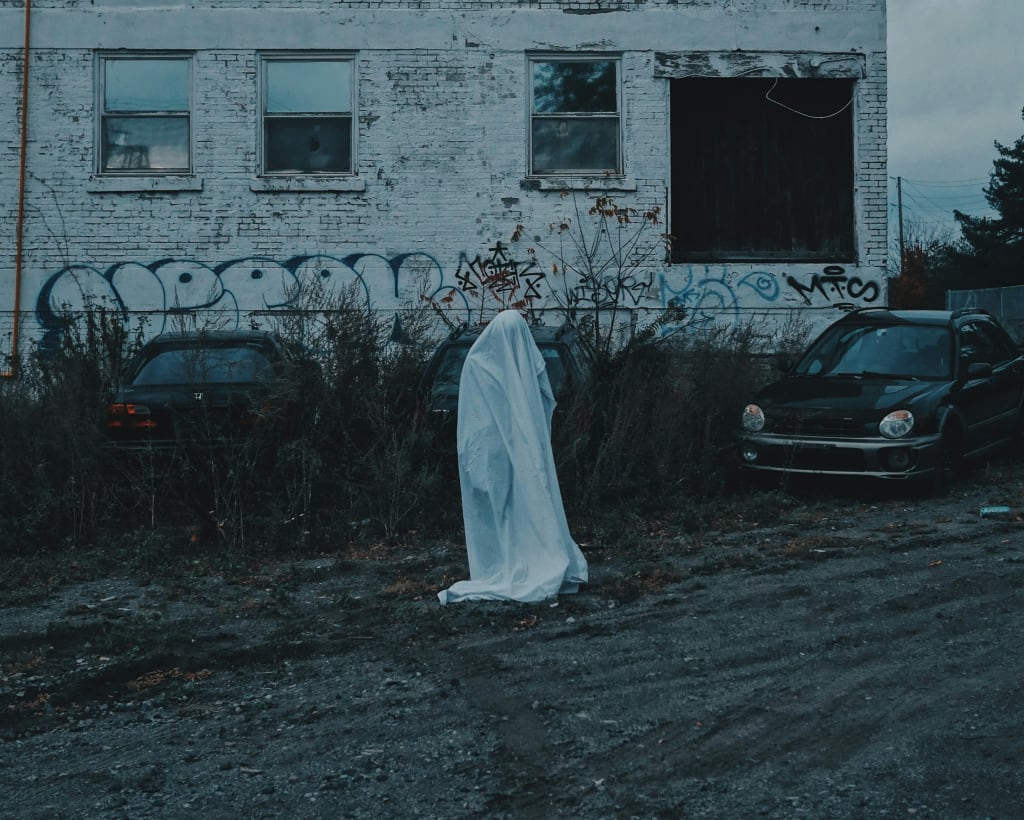
Death is one of life's great mysteries, a universal experience shrouded in uncertainty, fear, and curiosity. What happens after we die is a question that has puzzled humanity for millennia, giving rise to a vast array of beliefs, theories, and speculations across cultures, religions, and scientific disciplines. While no one can provide a definitive answer, various perspectives offer intriguing possibilities about the afterlife or the lack thereof.
Religious Perspectives
Religion has long provided comfort and explanations for what happens after death. Most religious traditions hold beliefs about an afterlife, where the essence of a person—often referred to as the soul—continues to exist in some form.
Christianity: Christians generally believe in an afterlife where the soul faces judgment. Depending on one's faith and actions, the soul is either rewarded with eternal life in heaven or punished with eternal damnation in hell. Some Christian denominations also believe in purgatory, a temporary state of purification before entering heaven.
Islam: Similar to Christianity, Islam teaches that after death, the soul is judged by God (Allah). The righteous are granted eternal paradise (Jannah), while the wicked are condemned to hell (Jahannam). The Day of Judgment is a key event where all souls are resurrected and judged.
Hinduism: Hindus believe in reincarnation, where the soul (atman) is reborn into a new body after death. This cycle of birth, death, and rebirth (samsara) continues until the soul achieves moksha, liberation from the cycle, and merges with the divine.
Buddhism: Similar to Hinduism, Buddhism also believes in the cycle of rebirth. However, it emphasizes the concept of karma, where the actions in one's life determine the conditions of the next. The ultimate goal is to attain Nirvana, a state of liberation and freedom from suffering.
Judaism: Jewish beliefs about the afterlife vary, but traditional views include concepts of resurrection and an afterlife. Some Jews believe in a form of judgment after death, leading to a world to come (Olam Ha-Ba), while others focus more on the legacy one leaves behind.
Philosophical and Scientific Perspectives
While religious views offer hope and moral guidance, philosophy and science often approach the question of death with a more skeptical lens, focusing on the nature of consciousness and existence.
Materialism: From a materialistic standpoint, consciousness is seen as a product of the brain. When the brain ceases to function, consciousness ends, and death is the final cessation of existence. This view is supported by scientific studies of brain activity, which show that consciousness is closely tied to the physical state of the brain.
Dualism: Philosophical dualism, on the other hand, posits that the mind and body are separate entities. Some dualists argue that consciousness could survive the death of the body, possibly existing in another realm or dimension. However, this remains speculative, as there is no empirical evidence to support it.
Near-Death Experiences (NDEs): Reports of near-death experiences, where individuals claim to have experienced an afterlife or consciousness outside of their bodies, have sparked interest in the possibility of life after death. Common NDE themes include seeing a bright light, encountering deceased loved ones, or having an out-of-body experience. While these reports are compelling, skeptics argue that they could be the result of brain activity during the dying process.
The Simulation Hypothesis: A more contemporary and speculative idea is the simulation hypothesis, which suggests that our reality might be a simulated environment. If this were true, death could be seen as the end of one's participation in the simulation, with unknown consequences for what lies beyond.
Cultural and Personal Perspectives
Cultural beliefs about death and the afterlife vary widely, often shaped by the environment, history, and social structures of a society. For instance, many Indigenous cultures view death as a transition to a spiritual world where ancestors reside, continuing to influence the living.
On a personal level, one's beliefs about death are often influenced by their upbringing, experiences, and reflections on life. Some people find comfort in the idea of an afterlife, while others may embrace the finality of death as a natural part of the life cycle.
Conclusion
The question of what happens after we die remains one of the most profound and elusive mysteries of human existence. Whether viewed through the lens of religion, philosophy, science, or personal belief, the answer is ultimately unknowable—at least for now. What is clear, however, is that the contemplation of death and the afterlife has a profound impact on how we live our lives, influencing our morals, choices, and the way we find meaning in the world.
In the end, death may be the ultimate mystery, but it also serves as a powerful reminder of the preciousness of life, urging us to live fully, love deeply, and seek understanding, even in the face of the unknown.
About the Creator
marufhasan
"In a world of endless possibilities, we r an explorer of the unknown. Blending logic and creativity, we turn challenges into opportunities. Driven by curiosity and purpose,we push boundaries to ignite ideas and bring visions to life."
Keep reading
More stories from marufhasan and writers in Humor and other communities.
How Will Our World End?
The question of how our world will end is one that has fascinated humanity for centuries. From religious prophecies to scientific predictions, the concept of Earth's demise has been explored in countless ways. While the idea of the world ending can be unsettling, it also invites us to reflect on the nature of existence, the fragility of our planet, and the forces beyond our control. Let's delve into some of the most compelling theories about how our world might meet its end.
By marufhasan2 years ago in Earth
Two Grumpy Old Men Solve the Problem
Marty and Steve were two grumpy old men who lived together. They had known each other for years. Marty had been a bachelor all his life. Steve said it was because no one could stand to ever live with him. Marty’s standard reply was “Well, you are, so what sort of a moron does that make you!”
By Calvin London9 days ago in Humor
The World Is on Fire, But My Freezer’s Been Stockpiling Since 2017
📦 Section 1: Frozen Time Capsules – A Love Letter to Foods That Shouldn't Be Alive There comes a moment in every adult’s life when you open your freezer, stare into the icy abyss, and realize you’ve been harboring culinary fugitives from the past.
By The Pompous Post14 minutes ago in Humor


Comments (3)
My god it was mind blowing. And also the after life is true.
So interesting
Excellent piece