
The Mona Lisa: Leonardo da Vinci’s 16-Year Journey
Art History

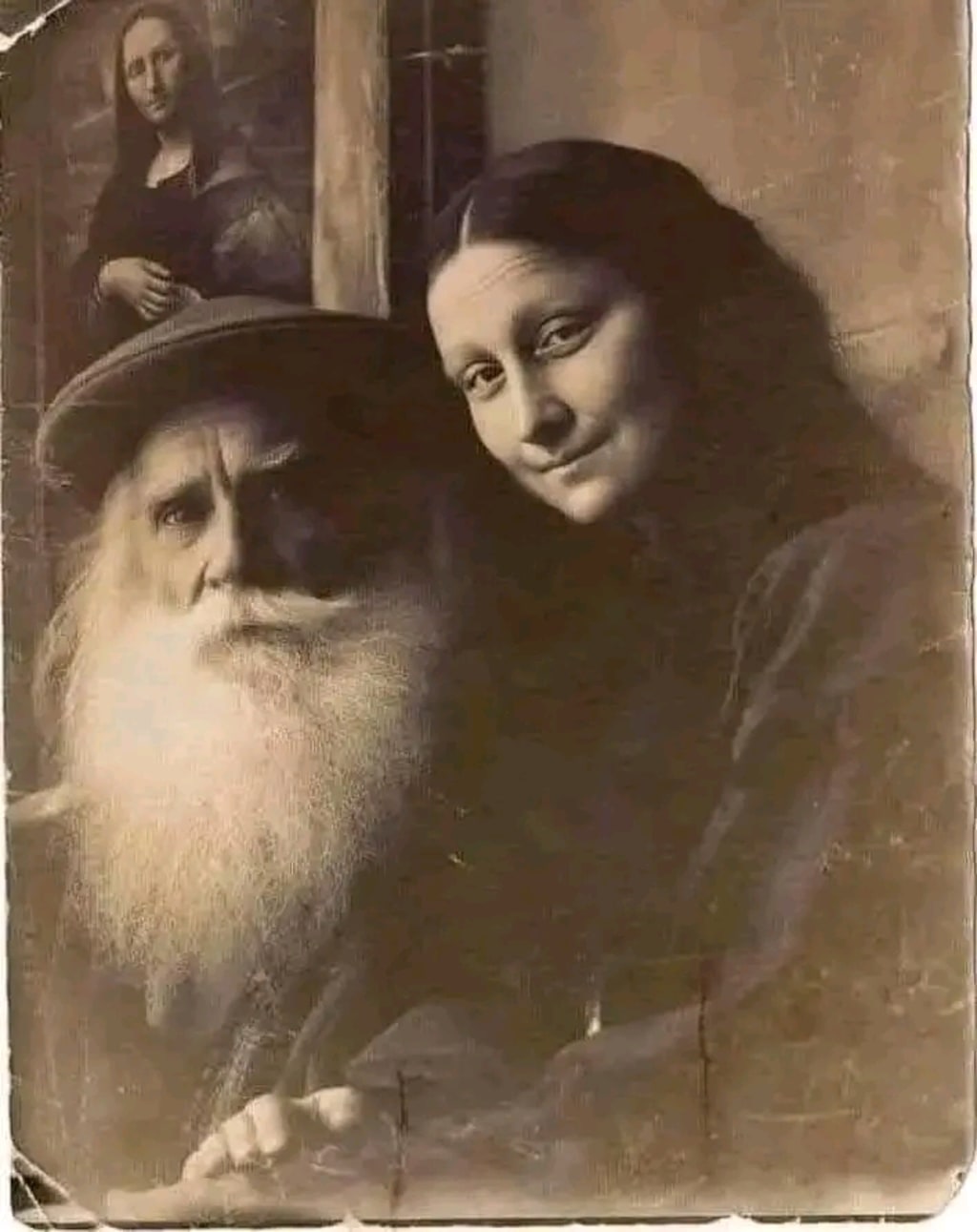
Among the masterpieces of art history, few works are as iconic—or as enigmatic—as Leonardo da Vinci’s Mona Lisa. Her mysterious smile, the soft sfumato technique, and the countless layers of meaning have fascinated viewers for centuries. But behind the painting lies an extraordinary story of obsession, perfectionism, and an artist’s relentless pursuit of the sublime.
What began as a standard commission for a merchant’s wife turned into a 16-year labor of love, consuming Leonardo’s time, energy, and imagination until his death in 1519. The Mona Lisa wasn’t just another portrait for Leonardo—it became a canvas upon which he explored the limits of his genius.
The Commission That Sparked an Obsession
In 1503, Leonardo da Vinci was approached by Francesco del Giocondo, a wealthy Florentine merchant, to paint a portrait of his wife, Lisa Gherardini. The request was straightforward: a representation of Lisa that would capture her beauty and grace, intended as a celebration of family and prosperity.
At the time, portrait commissions were routine for artists. Most would complete a painting within a few months, perhaps a year at most. But for Leonardo, this commission was anything but routine. It became an enduring project that he would carry with him for the next 16 years, traveling from Florence to Milan and ultimately to France.
An Artist’s Pursuit of Perfection
Leonardo was not just an artist; he was a scientist, engineer, and philosopher who saw painting as a means to understand and replicate the natural world. The Mona Lisa was more than a portrait—it was an experiment, a challenge to capture not just a likeness but the essence of human emotion and life itself.
The most striking feature of the Mona Lisa is undoubtedly her smile, which seems to shift depending on the viewer’s angle and perception. Leonardo achieved this effect through his mastery of sfumato, a technique that uses delicate layers of translucent paint to create soft transitions between light and shadow. This approach gives the painting its lifelike quality, but it also required painstaking work. Leonardo would apply layer upon layer of paint, sometimes so thin they were nearly invisible, refining and reworking until he achieved the desired effect.
He obsessed over every detail, from the subtle shadows around her mouth to the way her eyes seem to follow the viewer. This level of dedication meant progress was slow—agonizingly so. Leonardo would often step away from the painting for months or even years, only to return with fresh ideas and begin reworking it again.
The Elusive Smile
The smile of the Mona Lisa is arguably its most famous feature, and it’s easy to see why it captivated Leonardo for so long. It’s a smile that defies definition—at once warm and elusive, inviting yet distant. Some art historians have speculated that Leonardo’s obsession with perfecting the smile stemmed from his interest in human anatomy and emotion.
Leonardo conducted detailed studies of muscles and facial expressions, dissecting cadavers to understand how subtle movements could convey complex emotions. This scientific approach to art is evident in the Mona Lisa, where every curve and shadow works in harmony to create an expression that feels alive.
Why Did He Never Finish It?
Technically speaking, the Mona Lisa was never completed—or at least, not to Leonardo’s satisfaction. While most artists of the time would have considered the painting finished and handed it over to the patron, Leonardo couldn’t let it go. His perfectionism, combined with his tendency to juggle multiple projects simultaneously, meant that the Mona Lisa remained a work in progress.
Leonardo’s notebooks reveal his belief that art should never simply imitate nature but transcend it. He saw the Mona Lisa as a way to explore the deeper truths of existence, from the play of light and shadow to the mysteries of the human soul. Perhaps it was this ambition that kept him working and reworking the painting, always striving for an unattainable ideal.
When Leonardo moved to France at the invitation of King Francis I, he brought the Mona Lisa with him. He continued to refine it during his final years, and it remained in his possession until his death in 1519.
The Legacy of Leonardo’s Obsession
Today, the Mona Lisa resides in the Louvre Museum in Paris, where it draws millions of visitors each year. Its fame is unmatched, but its true power lies in its ability to captivate and mystify. That mysterious smile, born of Leonardo’s 16-year obsession, continues to intrigue viewers and spark debates about its meaning.
Leonardo’s relentless pursuit of perfection in the Mona Lisa is a testament to his genius and his belief in the power of art to transcend time and place. He transformed a simple commission into a masterpiece that continues to inspire awe, reminding us of the boundless potential of human creativity.
In the end, the Mona Lisa is more than a painting; it is a reflection of Leonardo himself—a man who refused to settle for anything less than extraordinary. Through his obsession, he created not just a portrait, but a timeless symbol of beauty, mystery, and the enduring quest for perfection.
About the Creator
Keep reading
More stories from Deji Akomolafe and writers in Humor and other communities.
The Unspoken Toll of Suppressed Farts: A Cautionary Tale from Ireland
In 2022, a peculiar yet poignant story surfaced from Ireland, capturing global attention and sparking conversations about a bodily function most prefer to ignore. The tale revolves around a young woman who, after years of suppressing her farts around her boyfriend, ended up in the hospital with extreme stomach pain and had to have her appendix removed. This anecdote, while humorous on the surface, underscores significant lessons about health, relationships, and societal norms around bodily functions.
By Deji Akomolafe2 years ago in Humor
Tatt~Master
— Assembly Line Tatt Machine ~ Impressions to Impress — As I begin to understand more about the Tattoo Phenomenon. I've written silly, yet verbatim, dating site anecdotes in 'Frazzled.' So let me ask you: Would you be More attracted to someone slathered with tattoos, or Less?
By Jay Kantor15 days ago in Humor




Comments
There are no comments for this story
Be the first to respond and start the conversation.