
The Mischievous Sylvester: A Journey Through Looney Tunes History
Sylvester's Enduring Legacy in Animation

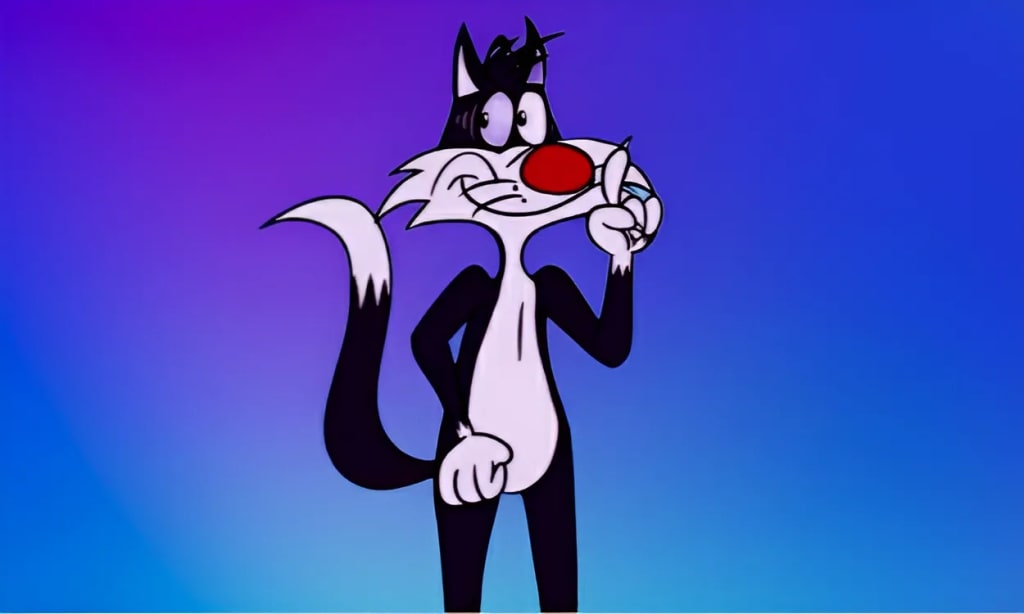
Sylvester the Cat, one of the most recognizable and beloved characters in the Looney Tunes universe, has been entertaining audiences for decades. First appearing in the 1945 short "Life with Feathers", this tuxedo-clad feline has become an enduring symbol of mischief, determination, and comedic failure. Created by the talented team at Warner Bros. Animation, Sylvester's humorous escapades have solidified his place as one of the most iconic characters in animation history.
The Early Days of Sylvester
Sylvester J. Pussycat, Sr., as he is formally known, was brought to life by director Friz Freleng and voiced by the legendary Mel Blanc, who also gave life to characters like Bugs Bunny and Daffy Duck. Sylvester's distinctive lisp and his catchphrase “Sufferin' succotash!" became an integral part of his character, making him instantly recognizable to audiences of all ages.
In his debut short, "Life with Feathers", Sylvester was portrayed somewhat differently from his later incarnations. Rather than his classic role as a bumbling, food-obsessed predator, Sylvester was a less antagonistic character trying to outwit a suicidal lovebird. The short received positive reception, and it was clear Sylvester had the potential to be a star. Over time, his personality was refined, and he grew into the character we know and love today.
Sylvester’s Rivalries and Partnerships
Perhaps what makes Sylvester so memorable is the countless rivalries and partnerships that defined his character over the years. Most notably, his perpetual feud with Tweety Bird stands out as one of the most iconic rivalries in animation. Introduced in 1947’s "Tweetie Pie", Sylvester's relentless pursuit of the tiny yellow canary has been the subject of dozens of animated shorts. Sylvester's schemes to catch Tweety are both creative and hilariously flawed, often leading to his own defeat in absurd and comical ways. The series became so popular that it won an Academy Award for Best Animated Short in 1947, the first of many Sylvester-Tweety pairings.
The dynamic between Sylvester and Tweety is a classic predator-prey relationship that plays out with a twist. While Sylvester is bigger, stronger, and seemingly more dangerous, Tweety always manages to outsmart him, aided by his innocent demeanor and often by his owner, Granny, who is quick to come to the little bird’s rescue. Sylvester’s failure to catch Tweety became a recurring theme, embodying the concept of the eternal underdog or in this case, the undercat.
Sylvester has also faced off against Speedy Gonzales, the fastest mouse in all of Mexico. In these encounters, the comically slow and scheming Sylvester tries his best to outsmart the super-speedy rodent, only to be outpaced and humiliated time and again. The contrast between Speedy’s lightning-fast movements and Sylvester’s lumbering efforts creates a perfect comedic balance that resonates with audiences.
But Sylvester's world isn’t just about rivalry. He’s had his share of partnerships as well, particularly with his son, Sylvester Junior. In several shorts, the pair engage in various antics, with Junior usually disapproving of his father’s constant failures. These episodes provide a different dimension to Sylvester’s character, as he goes from a simple antagonist to a well-meaning, if inept, father figure. Junior’s embarrassment over his father’s failures is a source of comedy, but it also humanizes Sylvester, showing his softer side and his desire to earn his son’s respect.
Character Development and Evolution
Sylvester's character has evolved throughout his career, with directors and writers refining his persona to maintain his appeal across generations. His signature lisp and determination remain constants, but his personality shifted from merely a failed predator to a more sympathetic figure. In his early appearances, Sylvester was primarily driven by his hunger and determination to catch his prey. However, over time, his motivations became more nuanced, and his failures often stemmed from factors outside of his control, such as bad luck or the cleverness of his adversaries.
As his character developed, audiences began to root for Sylvester, not necessarily to succeed in catching Tweety or Speedy, but simply because of his persistence. His relentless pursuit, despite repeated failures, made him endearing. Sylvester came to represent the idea that it’s not always about winning; sometimes, it’s about trying again, no matter how many times you fall short.
Sylvester's characterization was also shaped by his relationships with other Looney Tunes characters. His role as a father figure to Sylvester Junior introduced a new layer of depth to his character, showing that despite his shortcomings, he had a strong sense of responsibility and care for his son. This complexity helped Sylvester stand out in a cast of characters that often adhered to simpler, more one-dimensional traits.
Influence on Pop Culture
Sylvester's influence on pop culture cannot be overstated. His catchphrase, “Sufferin' succotash," has entered the lexicon as one of the most memorable lines in animation history. His rivalry with Tweety has become a symbol of comedic antagonism, inspiring countless parodies and references in television, film, and other media. Sylvester’s role as a persistent yet hapless character has influenced other animated characters who embody the same spirit of determination in the face of inevitable failure.
The popularity of Sylvester and Tweety has even transcended their original shorts. In the 1990s, they were the stars of "The Sylvester & Tweety Mysteries", a television show that cast Sylvester, Tweety, Granny, and their bulldog companion Hector in a series of globe-trotting adventures. The show blended mystery-solving elements with the classic chase dynamics between Sylvester and Tweety, introducing the characters to a new generation of viewers. Sylvester’s role in the series expanded his character further, allowing him to shine in different contexts beyond the typical predator-prey scenario.
Legacy of Sylvester
Sylvester’s legacy is deeply ingrained in the history of animation. As a cornerstone of the Looney Tunes lineup, he helped define the golden age of American animation. Over the years, he has become one of Warner Bros.' most enduring and recognizable characters, appearing in films, television shows, and comic books, as well as making cameo appearances in other media.
Sylvester's appeal lies in his relatability. His persistence in the face of adversity and his ability to laugh at his own failures make him a character audiences of all ages can connect with. Whether he's chasing Tweety around Granny’s house or plotting against Speedy Gonzales, Sylvester remains an integral part of the Looney Tunes family.
Even today, Sylvester continues to appear in new iterations of the Looney Tunes franchise, including "The Looney Tunes Show" and "Looney Tunes Cartoons", ensuring that his legacy will endure for future generations.
Conclusion
Sylvester the Cat is more than just a cartoon character; he is an icon of perseverance, humor, and timeless entertainment. With his signature lisp, boundless determination, and a knack for comedic failure, Sylvester has cemented his place in animation history. His role in the Looney Tunes universe, whether as Tweety’s eternal foe or as a well-meaning father to Junior, showcases the depth and versatility of his character. Through countless defeats and near-misses, Sylvester has earned a permanent place in the hearts of audiences around the world, reminding us all to keep trying, no matter how many times we fail.
About the Creator
Cool Searches
Bringing to you the lively world of cartoon characters and their fascinating stories, along with hilarious incidents from the entertainment world. From animated adventures to real-life celebrity mishaps, I offer a mix of fun and humour.
Keep reading
More stories from Cool Searches and writers in Humor and other communities.
Voice, Design, and Legacy: The Complete Story of Tweety Bird
Tweety Bird, the iconic yellow canary from the Looney Tunes franchise, has captured the hearts of audiences for decades. Created by animator Bob Clampett and introduced in the 1942 short "A Tale of Two Kitties," Tweety is best known for his adorable appearance and distinctive speech. His high-pitched voice, characterized by the mispronunciation of words, particularly his signature phrase, "I tawt I taw a puddy tat!" has made him a beloved character in the world of animation.
By Cool Searches 2 years ago in Humor
From ad men to mad men
It's after 2am in the morning when a local police patrol vehicle in Northern New Jersey spots a figure costumed as Quasimodo, The Hunchback of Notre Dame, proceeding southbound on the sidewalk along Lydecker Street. Though the hunchback’s costume stuffing offers added insulation, it's January, and friggin’ freezing. Carefully, the officers slow down, gently question the subject, and offer him a ride home.
By David W. Maury10 days ago in Humor
The World Is on Fire, But My Freezer’s Been Stockpiling Since 2017
📦 Section 1: Frozen Time Capsules – A Love Letter to Foods That Shouldn't Be Alive There comes a moment in every adult’s life when you open your freezer, stare into the icy abyss, and realize you’ve been harboring culinary fugitives from the past.
By The Pompous Post3 days ago in Humor



Comments
There are no comments for this story
Be the first to respond and start the conversation.