
"The Impact of Social Media on Mental Health: Understanding the Benefits and Risks."
Exploring the Effects of Social Media on Psychological Well-being and Providing Strategies for Maintaining Mental Health in the Digital Age.
Introduction:
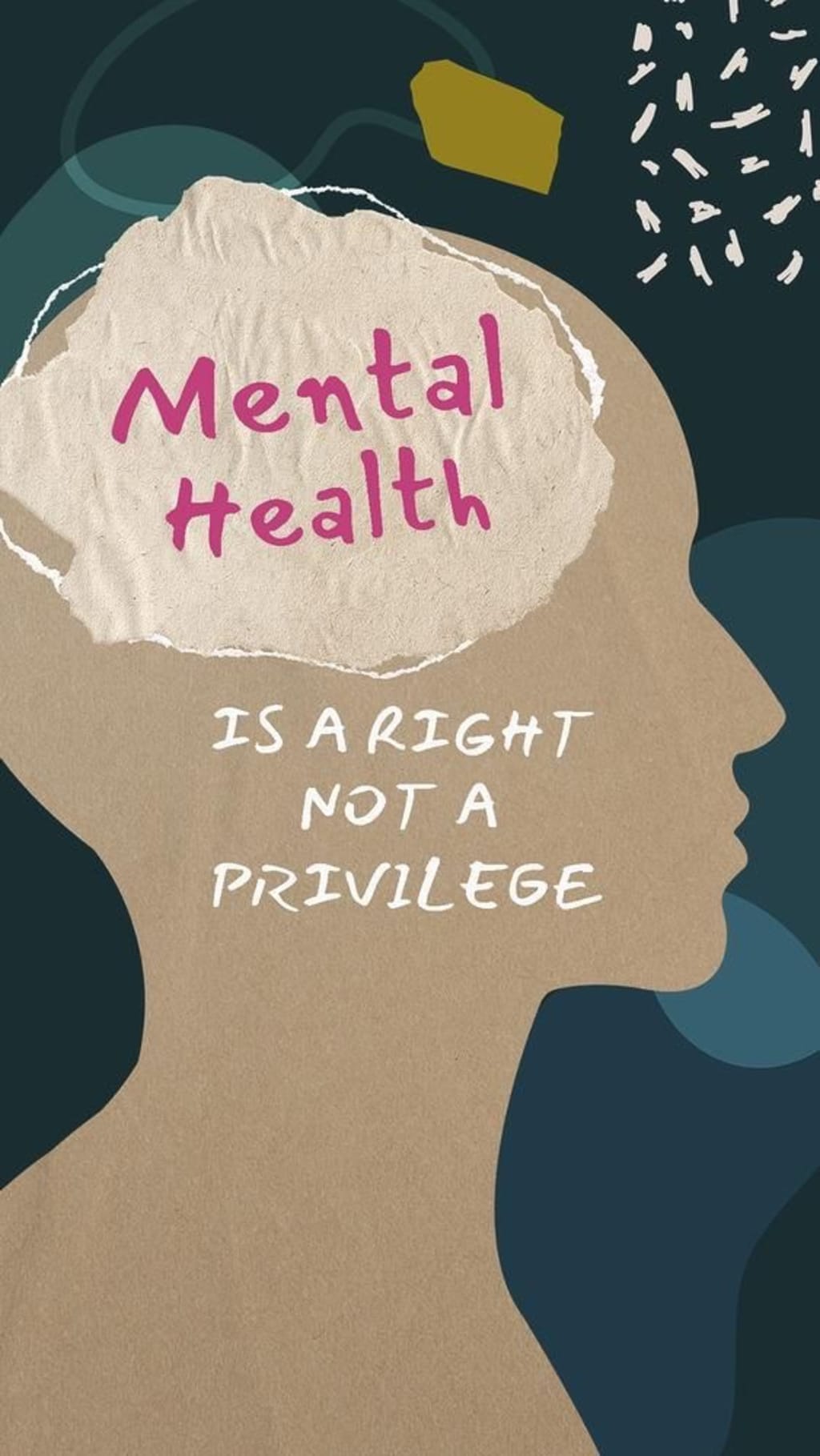
Social media has become an integral part of our daily lives, shaping the way we communicate, connect, and share information. While social media platforms offer numerous benefits, especially in terms of connection and accessibility, there is a growing concern about their impact on mental health. This article aims to delve into the multifaceted influence of social media on mental well-being, highlighting both the positive and negative aspects. By understanding these benefits and risks, individuals can navigate social media more mindfully and take steps to prioritize their mental health.
The Positive Impact:
Social media platforms have transformed the way we establish and maintain relationships, breaking down geographical barriers and enabling instant communication. It allows individuals to connect with friends and family members, and even make new acquaintances. This sense of connection can reduce feelings of loneliness and provide support during difficult times. Social media also plays a vital role in raising awareness about mental health issues, providing a platform for support groups and communities that promote empathy, validation, and understanding.
Moreover, social media offers educational resources and information about mental health. Organizations, experts, and influencers utilize these platforms to share knowledge, techniques, and strategies for managing mental health challenges. This readily accessible information can empower individuals to seek help and adopt healthier coping mechanisms.
The Negative Impact:
Despite the advantages, it's crucial to acknowledge the negative impact of social media on mental health. One of the significant concerns is the rise of cyberbullying. The anonymity provided by online platforms can embolden individuals to engage in hurtful and harmful behavior, leading to severe psychological consequences for the victims. Likewise, the constant exposure to carefully curated highlight reels can fuel comparison culture and negatively impact self-esteem. Unrealistic beauty standards and filters may contribute to feelings of inadequacy and body image issues.
Another challenge associated with social media is the addictive nature of these platforms. The constant need for validation through likes, comments, and followers can lead to a sense of dependence, affecting self-worth and overall mental well-being. Additionally, excessive screen time can disrupt sleep patterns, further exacerbating mental health issues like anxiety and depression.
Navigating Social Media Mindfully:
To navigate the world of social media while safeguarding mental health, it is crucial to adopt a mindful approach. Firstly, individuals should be mindful of their social media consumption and take regular breaks to disconnect and recharge. Setting limits on screen time can be immensely beneficial in maintaining a healthy balance.
It is also advisable to curate social media feeds consciously. Unfollow accounts that promote comparison or worsen self-esteem, and instead, fill your feed with positive and uplifting content. Engaging with mental health resources and following credible organizations and experts can help in gaining accurate information and support systems.
Maintaining healthy boundaries is essential while using social media. Establishing guidelines about what kind of content and engagement is acceptable ensures a positive and mindful experience. It is also crucial to separate one's self-worth from social media metrics, recognizing that likes and comments do not define personal value.
Conclusion:
Social media's impact on mental health is a complex issue with both positive and negative consequences. It is essential to proactively balance the benefits and risks of social media usage to ensure the preservation of mental well-being. By practicing mindfulness, setting healthy boundaries, and consciously curating online experiences, individuals can harness the benefits of social media while minimizing the potential adverse effects. Remember, the power lies in our hands to create a positive and supportive online space that promotes mental health and well-being.
About the Creator
Keep reading
More stories from Rimsha Khalid and writers in Humor and other communities.
"The Benefits of Mindful Meditation for Mental Health"
Meditation is an ancient practice that has been used for centuries to promote relaxation, reduce stress, and improve overall well-being. In recent years, there has been a surge of interest in mindfulness meditation, a type of meditation that emphasizes being present in the moment and accepting one's thoughts and feelings without judgment. This type of meditation has been shown to have numerous benefits for mental health.
By Rimsha Khalid3 years ago in Humans
Charlie Chaplin
Charlie Chaplin is one of the most influential figures in the history of cinema. More than a century after his rise to fame, his work continues to inspire filmmakers, comedians, and audiences around the world. Chaplin was not just an actor; he was a complete filmmaker—writer, director, producer, editor, and composer—at a time when the film industry was still in its early stages. His ability to blend comedy with deep human emotion made him a global icon whose legacy remains unmatched.
By shaoor afridi6 days ago in Humor



Comments
There are no comments for this story
Be the first to respond and start the conversation.