
No Nut November: The Internet Challenge That Became a Cultural Phenomenon
Every November, a familiar trend resurfaces across social media — memes, challenges, and online debates all centered around three simple words: No Nut November. What started as a tongue-in-cheek internet joke has evolved into a global movement blending humor, self-discipline, and internet culture. But what exactly is No Nut November, and how did it grow from a niche meme into a yearly ritual for millions?
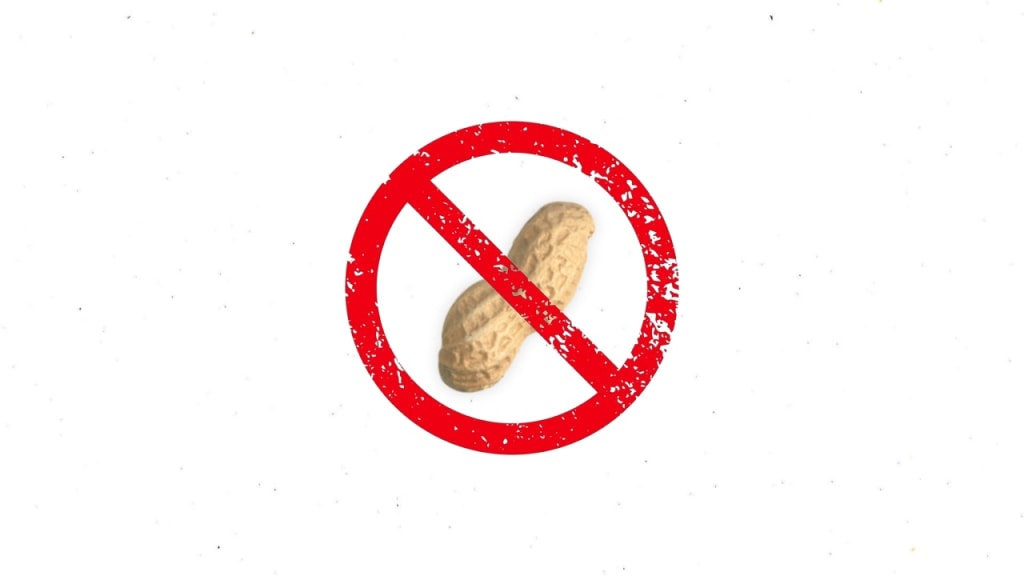
What Is No Nut November?
At its core, No Nut November (NNN) is a challenge encouraging participants — usually men — to abstain from any form of sexual release (“nutting”) for the entire month of November. That means no masturbation, no sex, and no pornography for 30 days straight. While it may sound lighthearted or absurd, the challenge has come to represent something deeper for some: a test of willpower, self-control, and personal growth.
The basic “rules” are simple:
- No sexual activity or self-pleasure for the entire month.
- No consumption of pornographic material.
- If you “nut,” you lose.
There’s no official authority or enforcement — it’s all self-governed, meme-driven, and entirely voluntary. Yet somehow, this simple idea has captured the internet’s imagination.
The Origin of No Nut November
No Nut November first appeared online around 2011, but it didn’t really gain widespread attention until 2017, when it exploded on platforms like Reddit and Twitter. The earliest documented use of the term comes from a 2011 post on Urban Dictionary, defining it as a month-long abstinence challenge.
The trend began to spread through Reddit communities such as r/NoFap and r/NoNutNovember, where users shared their experiences of going without pornography or masturbation. These communities connected the challenge with mental clarity, focus, and self-improvement — moving the concept from a joke into a quasi-philosophical experiment in discipline.
The memetic explosion came in the late 2010s, when internet humor collided with this growing subculture. Memes turned NNN into a global event, with people joking about the “sufferers” of the challenge or creating elaborate mythologies around those who “survive” until December — sometimes humorously referred to as reaching “Destroy Dick December.”
Why Has It Become a Yearly Trend?
There are a few key reasons why No Nut November keeps coming back stronger each year:
1. It’s Perfect Meme Fuel
The internet loves absurdity, and NNN is the perfect blend of awkward, funny, and relatable. The challenge naturally lends itself to memes — from exaggerated suffering to heroic determination. It’s a shared inside joke that crosses cultures and languages.
2. It Taps Into Modern Masculinity
In an age where men are increasingly reflecting on mental health, addiction, and self-control, NNN offers a symbolic test of discipline. For some, it’s not about sexual abstinence itself but about proving mastery over impulse — a kind of personal reboot.
3. The “Digital Detox” Element
Many participants link NNN to reducing porn consumption, which some argue can lead to decreased motivation or distorted expectations around sex. In this way, NNN aligns with larger movements promoting digital wellness and mindful consumption.
4. The Ritual of Repetition
Like Movember (the mustache-growing fundraiser for men’s health), NNN’s annual recurrence gives it a ritualistic feel. Each year, people joke, recommit, and challenge themselves again — creating a sense of shared participation across the internet.
5. It’s a Community Challenge
Despite being solitary in nature, NNN thrives on community. Social media threads, memes, and forums keep participants connected, offering humor, accountability, and a sense of belonging — even if it’s all for laughs.
From Joke to Cultural Marker
Today, No Nut November sits at a fascinating intersection of irony and sincerity. Some take it seriously, using it as an opportunity to break habits or reset their mental focus. Others participate purely for the humor and shared internet culture. Either way, the fact that it resurfaces every November shows how memes can evolve beyond jokes — into yearly cultural rituals.
Ultimately, whether you see NNN as a silly online challenge or a genuine self-improvement experiment, its staying power speaks volumes about the digital age. It’s a reminder of how internet culture blurs the lines between comedy, community, and personal development — one meme at a time.
About the Creator
Keep reading
More stories from writers in Humor and other communities.
From ad men to mad men
It's after 2am in the morning when a local police patrol vehicle in Northern New Jersey spots a figure costumed as Quasimodo, The Hunchback of Notre Dame, proceeding southbound on the sidewalk along Lydecker Street. Though the hunchback’s costume stuffing offers added insulation, it's January, and friggin’ freezing. Carefully, the officers slow down, gently question the subject, and offer him a ride home.
By David W. Maurya day ago in Humor
The Irony of Minimalism
Minimalism does not mean less money This word minimalism seems like the definition is "not buying stuff," but can be more in line more with the rich buying beige cars every few months. Rich people use this as a way to show they have the time and means to constantly keep their extremely white sheets and couches clean. They like the idea of having as inoffensive of a home as possible. There is no reason to have out a bunch of personal lore and beliefs when that could cause such a stir! No one shall stare at and judge their shelves full of cute items!
By Seashell Harpspring 8 days ago in Humor
The Piggy Project
I’ve had so many names in this life I lose track of which ones were ever really mine and which ones I wore because someone needed me to. Some were handed to me before I had words to refuse them, before I knew what they meant, before I knew I could say no. Most weren’t meant to hurt. That doesn’t mean they didn’t leave marks. Marks that told me who I belong to, who I am by way of who claims me, recognizes me in the good and bad, who walks beside me.
By Fatal Serendipity2 days ago in Confessions


Comments
There are no comments for this story
Be the first to respond and start the conversation.