
Inside the Italian Brainrot Meme Craze: How Absurd AI Creatures Took Over Gen Z Humor
From nonsensical voices to grotesque characters, the viral “Italian Brainrot” trend is a surreal digital movement redefining meme culture.

The Rise of a New Internet Subculture
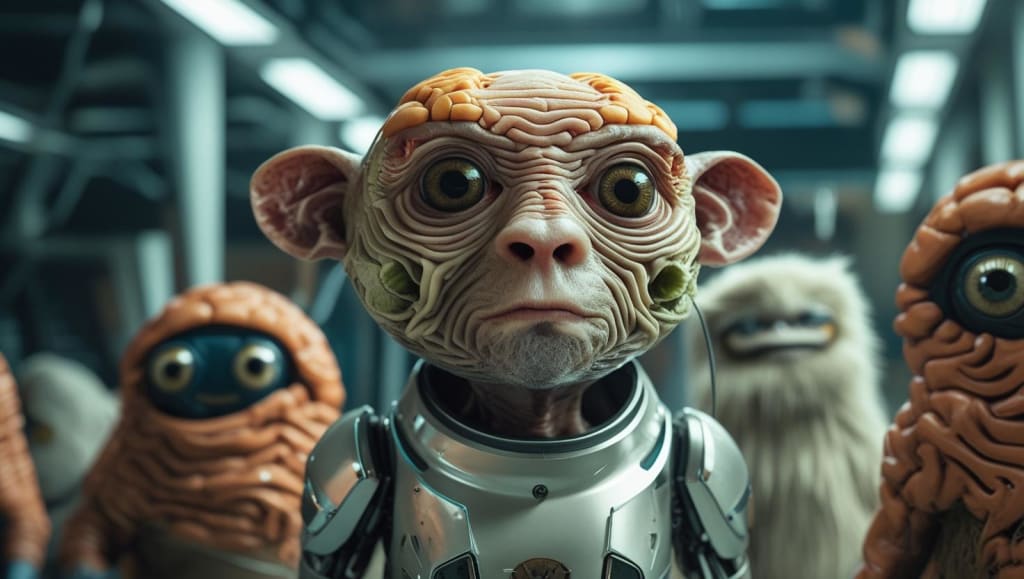
In the expansive and constantly evolving realm of meme culture, a peculiar new trend is capturing the digital focus of Gen Z: Italian Brainrot. What initially emerged as an unusual niche on TikTok and YouTube Shorts has transformed into a surreal genre of content characterized by AI-generated beings, nonsensical pseudo-Italian language, and storylines that exist solely to challenge logic. Upon first inspection, the content seems disordered—deformed creatures and strange human-like figures wander through poorly crafted fantasy environments, while a warped voice shouts phrases in a fabricated Italian accent. However, beneath the absurdity lies a more profound message: a critique of digital overstimulation, post-ironic humor, and a generation's desire to escape reality through the lens of absurdity.
What Exactly Is Italian Brainrot?
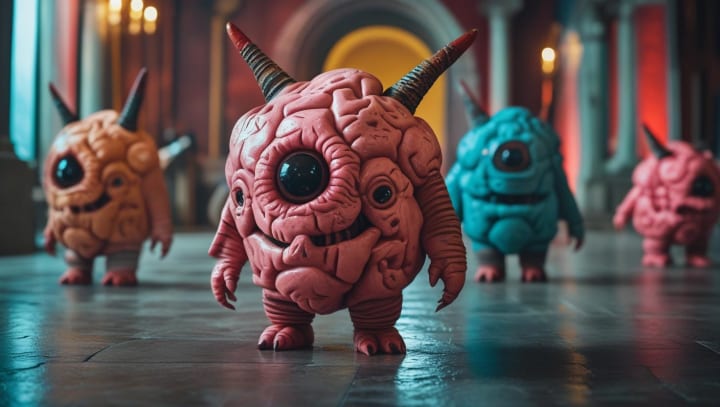
The term "Italian Brainrot" has been created to characterize this hyper-absurd category of memes. The designation itself is purposefully absurd. The content generally features:
1. AI-generated characters with strange, at times grotesque designs
2. Exaggerated Italian-sounding nonsense phrases (e.g., "Bambalini! Spaghetto creature!")
3. Disorderly editing accompanied by loud sound effects, blurry zooms, and glitchy overlays
4. Absurd storylines (for instance, a dinosaur chef battling a spaghetti monster for "Lasagna crystals")
The visual aesthetic is cluttered, exaggerated, and nearly overwhelming. However, that is the intention—it is meant to be chaotic. The randomness is not by chance; it resonates with Gen Z’s craving for post-irony and anti-structure.
The Psychology Behind the Madness
Italian Brainrot transcends mere meme noise. It embodies Gen Z’s disjointed connection with media, humor, and identity. Growing up amidst hyper-consumption and algorithmically curated content, young internet users are increasingly adept at navigating chaos. For them, conventional joke structures seem antiquated. "It’s humor for individuals who have experienced too much," states Dr. Ellen Chang, a researcher in media psychology. "Italian Brainrot is amusing not due to its coherence, but because it defies every principle of what should be coherent." The involvement of AI intensifies this phenomenon. As numerous characters and voices are either generated or altered by AI technologies, it obscures the distinction between creativity and randomness. Some creators even employ tools akin to ChatGPT to craft "dialogues" for their characters, introducing an element of machine-induced absurdity to the entire display.
Digital Escapism or Cultural Critique?
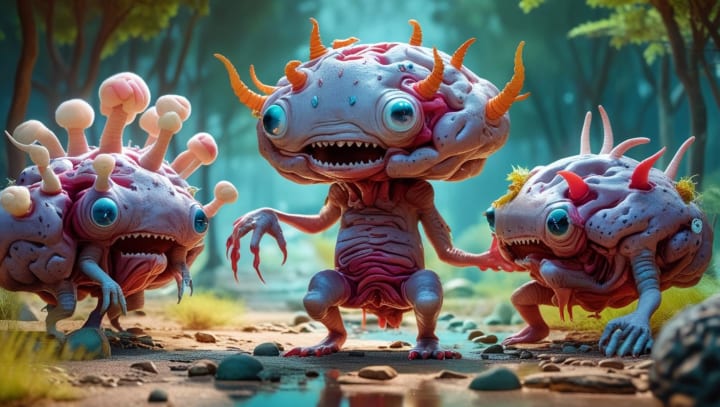
Critics contend that this trend fosters digital numbness, distancing younger audiences from meaningful narratives. Conversely, some view it as a valid form of cultural expression—a type of digital Dadaism where absurdity serves to challenge narrative conformity. "There is genuine creativity in this," states Julia Moreno, a digital artist who researches meme trends. "It is not merely random. It represents anti-structure art—something one might expect to find in a gallery, albeit faster, louder, and more spaghetti-themed." Some have even likened Italian Brainrot to the early 2000s Flash animation culture or Adult Swim's Too Many Cooks—a deliberate nonsense that critiques the predictability of mainstream media.
The Role of AI in Meme Evolution
AI has significantly contributed to the acceleration of meme absurdity. Utilizing tools such as DALL·E, Runway, and voice cloning software, meme creators are no longer constrained by conventional boundaries. They have the ability to create entire universes from the ground up—universes where the principles of physics, language, and narrative logic do not hold. A notable Italian Brainrot series showcases a recurring antagonist: "Il Croissant di Morte," a malevolent pastry with a backstory rooted in a French-Italian rivalry. Every aspect, from his texture to his voice, was produced using AI technologies. This represents the next phase of meme creation: algorithmically enhanced disorder.
What’s Next for Italian Brainrot?
Like many internet phenomena, Italian Brainrot may shine brightly for a short period before it eventually dissipates into the digital void. However, its cultural significance may endure. Already, various brands are striving to replicate its vibrancy in marketing strategies targeted at Gen Z—a precarious endeavor, given that the trend thrives on being intentionally "unbrandable." Certain content creators are now venturing further into experimental realms—merging it with horror, animation, or even political satire. Regardless of its longevity, one fact remains evident: Italian Brainrot signifies a new stage in meme development—one influenced by artificial intelligence, post-irony, and a generation that finds solace in the absurd.
About the Creator
MILTON CHANDRA ADIKARY
Independent Writer | Research-Based Stories | Unique Perspectives
I craft well-researched articles on science, technology, space, and the unexplained. I write what others miss. Subscribe for smart stories with real value.
Keep reading
More stories from MILTON CHANDRA ADIKARY and writers in Humor and other communities.
Ludacris and Nelly draw backlash over bookings at MAGA-coded music festival
Ludacris and Nelly headlining a mostly right-wing event is good for them. It’s also great for the genre of hip hop. The two rap veterans have showcased their talents on other stages. Why can’t they perform for mostly MAGA folks and grab that bag?
By Skyler Saunders5 days ago in Beat



Comments (1)
This Italian Brainrot trend is wild! The AI creatures and crazy storylines are something else. It really speaks to Gen Z's taste for the absurd.