
Google Joins OpenAI in Adopting Anthropic's Protocol for Connecting AI Agents: Why It Matters
**Google and OpenAI Embrace Anthropic's New AI Protocol, Paving the Way for a Safer, More Collaborative Future in Artificial Intelligence**
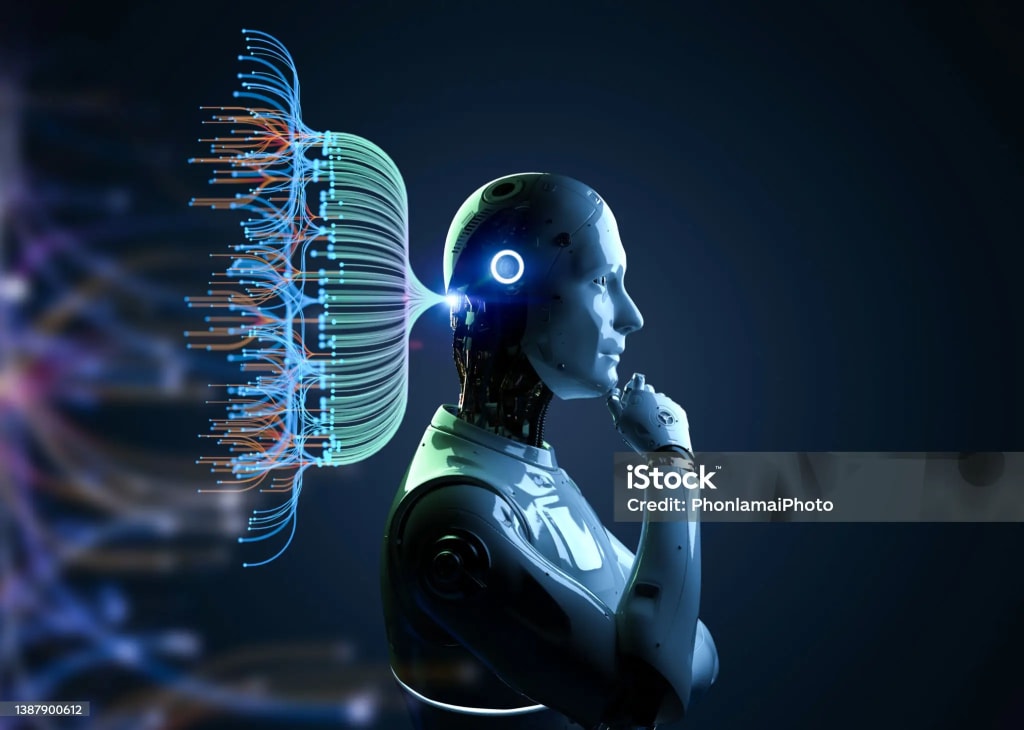
Google has announced that it will adopt Anthropic's new protocol for connecting AI agents, marking a significant advancement in AI collaboration. A new era of interoperability in the AI ecosystem has begun as a result of this and OpenAI's integration of the protocol. Anthropic's framework is being endorsed by Google and OpenAI, two of the most influential AI players, paving the way for safer, more effective, and interconnected AI systems. But why is this move so significant, and what implications does it have for the development of AI in the future? ### What Is Anthropic’s Protocol?
At the heart of this development is Anthropic’s protocol, which offers a standardized set of rules and guidelines for AI systems to communicate with one another. This protocol is designed to foster interoperability, enabling AI agents developed by different companies to work together seamlessly. The need for AI systems to work together without conflict or unintended consequences has become a pressing issue as they become more complex and widespread. By creating a unified structure for AI agents to share information, collaborate to solve problems, and function safely across various platforms, Anthropic's protocol aims to address these concerns. It is impossible to overstate the significance of a framework for shared communication. AI systems are often built by different companies with distinct methodologies, goals, and architectures. Without a common protocol, these systems could struggle to interact with each other, leading to inefficiencies, errors, or even security vulnerabilities. Anthropic’s protocol promises to bridge these gaps, offering a way for AI models to talk to each other while adhering to safety standards and ethical considerations.
### Google’s Adoption of the Protocol
A significant shift in the approach that AI companies take to collaboration can be seen in Google's decision to join OpenAI in adopting Anthropic's protocol. Known for its leadership in AI research and development through DeepMind, Google has long been at the forefront of innovation in the field. The company has a history of developing cutting-edge AI models for applications ranging from healthcare to natural language processing.
Google’s adoption of the protocol is a recognition that AI's future lies in collaboration rather than isolation. In the past, tech giants like Google and OpenAI have often worked in competition, each developing their proprietary systems. However, the rapidly evolving nature of AI requires new approaches—especially as AI applications increasingly intersect in areas like healthcare, autonomous driving, and finance. By adopting Anthropic’s protocol, Google is signaling its willingness to embrace a more open, cooperative AI ecosystem.
Sundar Pichai, Google’s CEO, noted that the company’s decision to adopt the protocol was driven by the need for interoperability in the rapidly growing AI market. “AI is no longer just a tool, but a transformative force. To truly realize its potential, we must ensure that systems can work together in harmony. "A shared framework for doing that is provided by Anthropic's protocol," Pichai stated in a statement. This isn't just about making Google's own AI products like Bard or Google Assistant better. It’s about ensuring that its technology can integrate more effectively with other AI systems, creating a more interconnected, efficient, and reliable AI infrastructure.
### The Importance of This: The Advantages of AI Interoperability 1. **Better Integration Across Platforms**
AI systems from various businesses can communicate and collaborate more effectively with a standardized protocol. For businesses and developers, this means less time spent trying to integrate disparate systems and more time spent creating innovative solutions. Whether it's integrating AI-powered customer service tools with supply chain management systems or enhancing user experience across multiple platforms, interoperability will make it easier to build cross-platform AI solutions.
For consumers, this could mean smarter, more personalized services. For example, a voice assistant could seamlessly integrate with a user’s preferred calendar, email service, and even third-party AI tools, offering a smoother and more tailored experience.
2. **Enhanced Safety and Ethical Oversight**
One of the primary goals of the Anthropic protocol is to ensure that AI systems operate safely and ethically when communicating with each other. Concerns about AI models' potential to harm people or act in unintended ways have grown as they become more advanced and more common. The protocol lays out strict guidelines to ensure that AI systems adhere to safety standards, preventing them from engaging in harmful behaviors or making unethical decisions.
This is particularly crucial in areas like autonomous vehicles, healthcare, and finance, where AI decisions can have significant real-world consequences. Companies can increase trust in AI-driven systems and reduce the risks associated with AI errors by establishing common safety standards. 3. **Accelerated Innovation**
The adoption of a common protocol could also lead to faster innovation in AI. When AI systems can seamlessly work together, developers can build upon existing models rather than reinventing the wheel. This could result in rapid advancements in various fields, from natural language processing to machine learning and beyond. By sharing a common framework, companies can pool resources and ideas, creating a more collaborative environment that drives faster progress.
This kind of ecosystem will allow developers to tackle complex, cross-disciplinary challenges more effectively. For instance, AI systems that can communicate with each other across domains like medical research, climate modeling, and urban planning could lead to more effective solutions to global challenges.
4. empowering users with AI solutions that work better Perhaps the most tangible benefit of this protocol is the potential for better, more personalized experiences for end-users. As AI systems become more interconnected, users will be able to leverage the combined power of multiple models, accessing a richer set of capabilities. There are numerous possibilities, such as an AI-driven shopping assistant that communicates with a fitness tracker or a healthcare AI that communicates with a personal finance tool. Additionally, developers will be able to develop solutions that are more adaptable and responsive to individual user requirements in an AI ecosystem that is more interconnected. This means that users can expect increasingly intelligent systems that understand context, anticipate needs, and offer proactive assistance.
### The Road Ahead: Challenges and Opportunities
While the adoption of Anthropic’s protocol represents a promising step forward, there are still challenges ahead. One of the key hurdles is ensuring that the protocol remains flexible enough to accommodate the rapidly changing landscape of AI development. As AI models become more complex and new applications emerge, the protocol will need to evolve to stay relevant.
In addition, despite the significance of interoperability, businesses will need to guarantee that they will continue to safeguard user data and uphold robust security standards. Privacy concerns and data protection will remain critical issues as AI systems become more interconnected.
Nevertheless, the partnership between Google, OpenAI, and Anthropic offers a glimpse into a future where AI is more collaborative, efficient, and ethical. The possibilities for AI-driven innovation will increase as more businesses adopt the protocol and build on this framework, opening up new opportunities for businesses and consumers alike. ### Conclusion
Google’s decision to adopt Anthropic’s protocol for connecting AI agents is a game-changer. It represents a shift toward a more open, collaborative AI ecosystem that prioritizes safety, interoperability, and innovation. By working together, AI systems can unlock new possibilities, making them more effective and trustworthy than ever before. This development indicates a brighter future in which AI not only powers innovation but also does so in a manner that is more interconnected, ethical, and user-centric for consumers, developers, and businesses alike.
About the Creator
Keep reading
More stories from Rakibul Islam and writers in Humor and other communities.
Endless Strife: The Ongoing War Between Palestine and Israel
One of the most deeply rooted and emotionally charged conflicts in modern history is the war between Israel and Palestine. It has shaped the political landscape of the Middle East for seven decades, affected millions of lives, and attracted international condemnation and failed peace efforts. At the heart of this conflict lie competing national aspirations, religious significance, historical grievances, and territorial disputes that have defied resolution.
By Rakibul Islam 10 months ago in History
Footy Widow
Generally I'm a lover of football myself and feel like I may be misleading in my title but I'm accutely aware there are still many of us women that would relish the telly to themselves over the weekend whilst their darling off spring are off socialising and creating choas locally. For those of you that don't I found a way to make it through the games!
By Nadine Haigh19 days ago in Humor
Inside the Art of Handcrafted Guitars: How Master Luthiers Shape Sound
Handcrafted guitars stand as timeless marvels, where every curve and contour whispers a story of human ingenuity intertwined with musical soul. Unlike mass-produced instruments churned out in factories, these bespoke creations emerge from the hands of master luthiers—artisans who treat wood as a living partner in crafting sound. In their workshops, the air hums with sawdust and possibility, as each guitar becomes a vessel for emotion, resonance, and the player's intent. This art form isn't just about building; it's about sculpting vibrations that dance through strings and into hearts, turning simple notes into symphonies.
By May Alroomi2 days ago in Humor


Comments
There are no comments for this story
Be the first to respond and start the conversation.