
Everything you need to know about global warming and its effects?
What are the most important factors of increasing the temperature of the earth? How will different parts of the world be affected by global warming? Join us

As you know, global warming has become an important and necessary issue of our time. The world temperature is increasing due to human activities and climate change threatens different aspects of life on the planet. If global warming is not controlled, its disastrous results, such as the aggravation of drought, further increase in sea level, and mass extinction of various plant and animal species, will turn life on earth into a myth. Join us as we explore different aspects of global warming.
What is global warming?
Global warming refers to the increase in the average global temperature. According to scientists, the temperature of the Earth has increased by 1.2 degrees Celsius compared to the 19th century (before industrialization), and this amount will reach 1.5 degrees Celsius in the mid-2030s. Also, the amount of CO2 in the atmosphere has increased by 50%.
Although, on the surface, the 1.5 °C increase in temperature in the last 150 years does not seem so dangerous. But the evidence shows the opposite, because every 0.5°C increase in the earth's heat has a great impact on the increase of heat waves and the severity of agricultural and environmental droughts.
The rapid climate change we are witnessing now is mostly due to human use of oil, gas and coal for homes, factories and transportation. When these fossil fuels burn, they release greenhouse gases, which trap the sun's heat and cause the planet to warm.

Why is global warming a social problem?
Global warming and severe climate change are currently threatening the lives and livelihoods of many people. Continued global warming is expected to affect everything from energy consumption to water availability and crop productivity around the world. As it warms further, some areas may become uninhabitable as farmland turns into desert. Contrary to this current, in other areas of the earth, heavy rains cause floods. In these changes, people in poorer countries will suffer the most because they do not have the money to adapt to climate change.

How does global warming work?
Human activities affect the Earth's surface temperature by changing the Earth's radiative balance, the "give and take" between what comes in during the day and what the Earth emits at night. An increase in greenhouse gases, rare gases such as carbon dioxide and methane that absorb heat energy emitted by the Earth's surface and reflect it back, causes the atmosphere to retain more heat, which increases temperatures and changes precipitation patterns.
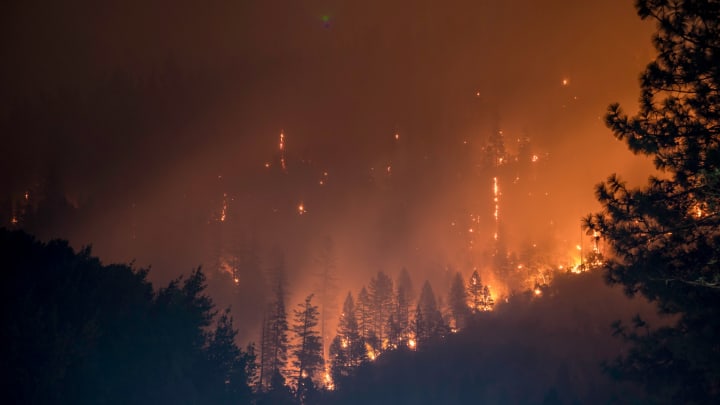
How will different parts of the world be affected by global warming?
Climate change has different effects in different regions of the world. Some parts will get hotter than others, some will get more rain, and some will experience more drought. As a result, if the temperature increase cannot be kept at this 1.5 degrees Celsius, the following will happen:
Britain and Europe will be vulnerable to flooding from heavy rain.
The countries of the Middle East will experience a severe heat wave and agricultural lands may turn into deserts.
Island countries in the Pacific region may disappear under the seas.
Many African countries are likely to suffer from drought and food shortages.
Australia is likely to suffer from extreme heat and drought.
Of course, these are only a part of the disasters that will occur with global warming. For example, we should not easily ignore the wars that will happen over food and water in this region of the Middle East.

What are the main causes of global warming?
Global warming can cause sea level rise, destruction of communities and extreme climate change. In the following, we will examine together the 5 causes of global warming that contribute to the climate crisis.
1. Oil and Gas
Oil and gas are often used in almost every industry. We see the most use of these materials in production, vehicles, buildings and electricity production. Unfortunately, when we burn coal, oil, and gas, we greatly increase the problem of climate change and global warming. Also, the use of fossil fuels is a threat to wildlife and the environment, because they destroy plant life and make many areas uninhabitable due to their toxicity.

2. Deforestation
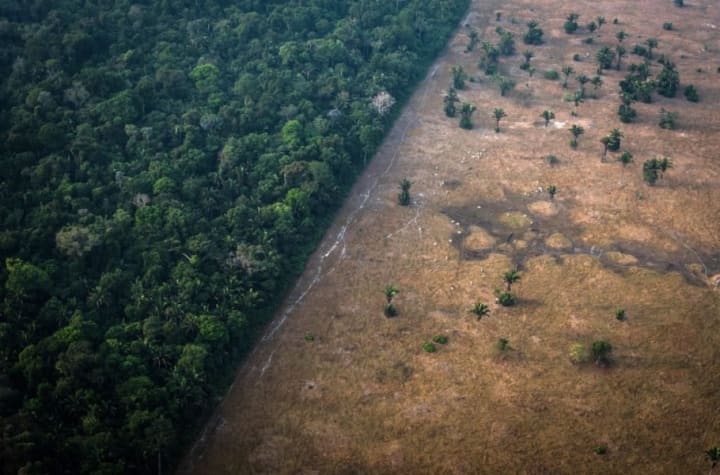
Deforestation and cutting of trees has been going on in different places for many years. From deliberate fires in the corner of the world to the legal clearing of forests for business, everyone has had a huge impact on global warming. Many parts of forest areas have been destroyed either to use trees or to create space for farms or ranches. Of course, deforestation and forest fires also happen naturally, but the reason for these natural events is nothing but an increase in the earth's temperature.
3. Waste and plastic production
Today, humans create more waste than ever due to the packaging used to present various products. Many items, waste and packaging are not recyclable and end up in landfills. When waste begins to decompose in landfills, harmful gases are released into the atmosphere that contribute to global warming.

4. power plants
Power plants use fossil fuels to survive and produce various pollutants. The pollution they produce does not end only in the atmosphere and enters the underground water and soil in different ways. A cycle that greatly contributes to global warming. It may be interesting to know that coal used in power plants is responsible for about 46% of all carbon emissions.

5. Oil Drilling
Oil drilling is responsible for 30% of methane and about 8% of carbon dioxide pollution. Oil drilling, which is used to collect petroleum hydrocarbons, releases many harmful gases into the atmosphere. In addition to contributing to climate change, these gases are also toxic to wildlife and the surrounding environment.

How to prevent global warming?
As you know, every day that passes, the earth is getting hotter and hotter. This increase in temperature has reached such an extent that some of the Antarctic ice is melting. For this reason, if we do not stop this increase in temperature, irreparable things will happen to the earth and our lives in the not too distant future.
Insulate doors and windows
One of the reasons why we use air conditioners or heaters for a longer time is because of the waste of heat or cold in the house. So, if we can use double-glazed windows and close the door and window seams, we have prevented the waste of energy.
Do not waste water
As we have heard since childhood, water is the source of life. Saving water consumption can reduce carbon pollution in the earth; Because everywhere in the world, a lot of energy is used to pump water, heat it and purify it. You can turn off the faucet while brushing your teeth. Shorten your bathing time and do other things that can prevent water wastage.
Save on food
According to research, approximately 10% of energy is spent on food preparation, processing, packaging and transportation; But only about 60% of these foods are consumed and the other 40% are left unused and thrown away. Therefore, when you are preparing food, it is better to prepare as much food as you need to avoid wasting it. As you know, most of our food is made from meat. To prepare meat, it is necessary to raise and maintain livestock, and this work consumes a lot of energy. For this reason, reduce the consumption of meat as much as you can to help prevent global warming.
Why should we care about global warming?
Just look around you and check the news of the last few months, to see and understand the consequences of warming and climate change easily. From massive fires to extreme heat, excessive rainfall and flash floods, we have seen and heard a lot over the years, unfortunately, such events are becoming more common in the upcoming warmer world. Climate change and global warming is a serious threat, affecting the entire life cycle. Global, national and regional environmental and social issues are all affected by it.
Therefore, it is very necessary to know the main sources of greenhouse gases that cause climate change. All humans should take this threat seriously and make changes in their lifestyle to reduce it. For example, we can use less vehicles to reduce greenhouse gas emissions. Using energy-efficient lamps and renewable energy, along with wasting less food and buying less items, is one of the easiest things we can do in our personal lives.
Frequently asked questions
What is global warming and how does it occur?
Global warming is one aspect of climate change that refers to a long-term increase in the planet's temperature. Its cause is the increase in the concentration of greenhouse gases in the atmosphere, which is mainly caused by human activities.
What are the effects of global warming?
Increased heat, drought, forest fires and torrential rains are some of the effects of global warming and climate change.
What are the main causes of global warming?
Overfishing, industrialization, agriculture, consumerism, transportation and vehicles, oil drilling, power plants, and food waste can be considered as the main reasons for the trend of the earth.
About the Creator
Keep reading
More stories from writers in Humor and other communities.
From ad men to mad men
It's after 2am in the morning when a local police patrol vehicle in Northern New Jersey spots a figure costumed as Quasimodo, The Hunchback of Notre Dame, proceeding southbound on the sidewalk along Lydecker Street. Though the hunchback’s costume stuffing offers added insulation, it's January, and friggin’ freezing. Carefully, the officers slow down, gently question the subject, and offer him a ride home.
By David W. Maury7 days ago in Humor
The Day My Cat Became a Genius
I always thought I was the clever one in my household. I had a steady job, a routine, and even a Spotify playlist that reflected my “refined” taste in music. Meanwhile, my cat, Mr. Whiskers, spent most of his day staring at walls, chasing imaginary monsters, and sleeping in awkward positions that made me question evolution.
By Waleed khan7 days ago in Humor
Top tipple tricks
Been thinking a lot about drinking, lately. Not least because of a recent episode of over-indulgence and the inevitable after effects. Some readers may recall the earlier articles I wrote about beating the booze. Here I set out an experiment in techniques for cutting down on my alcohol intake. The experiment was successful, the techniques worked, and I have armed myself with an arsenal of weapons in the war against the demon drink. I have yet to fire the first round however. It's all a question of timing (perhaps procrastination).
By Raymond G. Taylor3 days ago in Psyche
Silken Chains
Silhouettes of the female form were given flesh and bone. Silken skin glistened under the spotlight. Dry ice rose around our Icons as they danced atop their podiums in the Square. Heralded for their beauty, their movements were slight, powerful, and sensual.
By Paul Stewart6 days ago in Fiction




Comments
There are no comments for this story
Be the first to respond and start the conversation.