
7 Signs You're Interviewing in a... Butthole Environment
The job interview process can be nerve-wracking under the best of circumstances. However, when the environment turns hostile, it can feel like navigating a minefield. While some interview discomfort is normal, there are clear indicators when the environment becomes outright hostile.

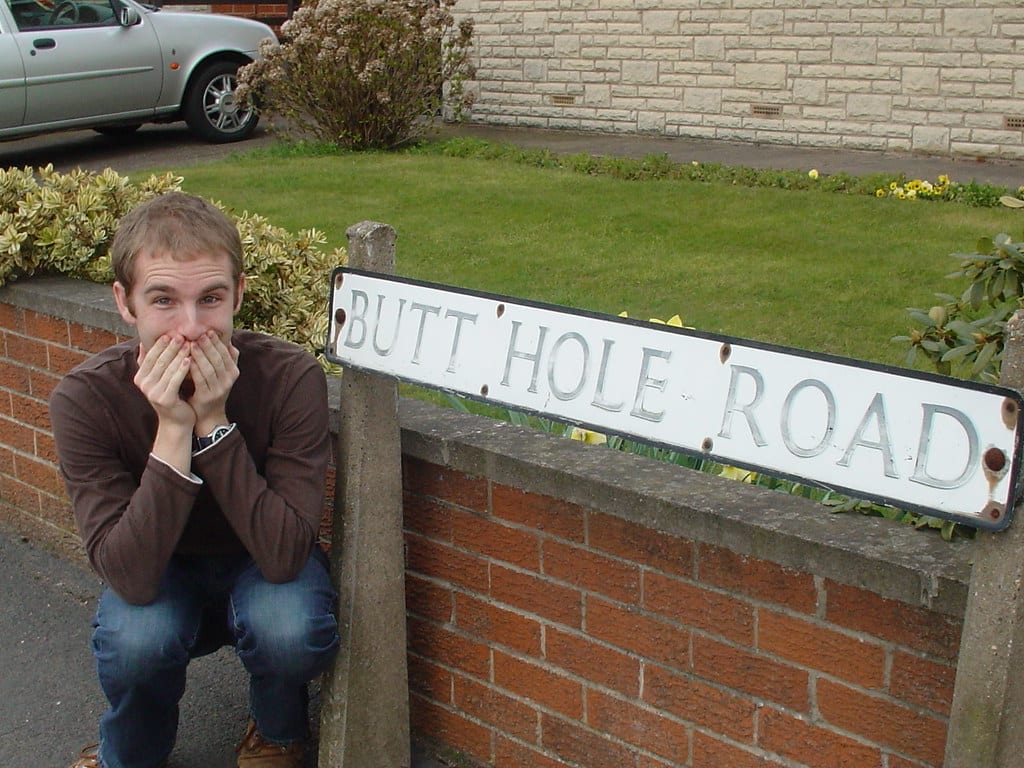
Recognizing these signs can help you protect yourself and make informed decisions about your next steps. Here are seven red flags to watch out for:
1. Lack of Professionalism:
One of the most telling signs of a hostile interview environment is a lack of professionalism from the interviewer or interview panel. This can manifest in various ways, such as rude or dismissive behavior, interrupting you while you speak, or making inappropriate comments. If you feel like you're being treated disrespectfully or unprofessionally, it's a clear indication that the environment is not conducive to a fair evaluation of your skills and qualifications.
2. Aggressive Questioning:
While challenging questions are a normal part of the interview process, there's a clear difference between constructive probing and aggressive interrogation. If the interviewer's questions feel confrontational or designed to catch you off guard rather than assess your suitability for the role, it's a sign that the interview environment may be hostile. Watch out for questions that seem designed to provoke a reaction rather than elicit relevant information about your experience and qualifications.
3. Negative Body Language:
Non-verbal cues can speak volumes, and during an interview, they can reveal a lot about the interviewer's attitude towards you. If the interviewer displays negative body language, such as crossed arms, eye-rolling, or sighing, it indicates impatience or disinterest. Similarly, if they appear distracted or preoccupied, it suggests they're not fully engaged in the conversation, which can make the environment feel hostile and unwelcoming.
4. Lack of Transparency:
Transparency is crucial during the interview process, both in terms of the information provided to candidates and the feedback given during the interview itself. If the interviewer is evasive or unwilling to answer your questions about the role, the company culture, or the expectations for the position, it raises concerns about their honesty and integrity. Similarly, if you receive vague or non-committal responses to your inquiries, it suggests a lack of respect for your time and interest in the role.
5. Disparaging Remarks:
Listen carefully to how the interviewer talks about the company, its employees, and its culture. If they make disparaging remarks about current or former employees, criticize company policies or practices, or speak negatively about the organization as a whole, it's a major red flag. Not only does this reflect poorly on the company's culture, but it also creates a hostile environment for candidates who may be considering joining the team.
6. Unreasonable Demands:
During the interview process, it's normal for employers to assess your qualifications and determine whether you're a good fit for the role. However, if the interviewer makes unreasonable demands or sets unrealistic expectations, it's a sign that they may not respect your boundaries or value your time. Watch out for requests that seem excessive or irrelevant to the position, as they can indicate a lack of understanding or appreciation for your skills and expertise.
7. Lack of Follow-Up:
After the interview concludes, pay attention to how the company communicates with you and whether they follow up as promised. If you're left waiting for weeks without any updates or feedback, it suggests a lack of consideration for your time and interest in the role. Similarly, if the company fails to respond to your inquiries or provides vague excuses for the delay, it's a clear indication that they may not prioritize effective communication or respect your candidacy.
In conclusion, interviewing in a hostile environment can be a stressful and disheartening experience. By recognizing the signs outlined above, you can protect yourself from potential mistreatment and make informed decisions about whether to continue pursuing opportunities with the company. Remember that your well-being and professional dignity are paramount, and don't hesitate to walk away from a toxic environment in favor of a more supportive and respectful workplace.
About the Creator
Keep reading
More stories from Christos Poulakis and writers in Humor and other communities.
The New Adventures of the Exclamation Mark: From Hero to Zero!
Once upon a time, in the digital kingdom of cyberspace, there lived a bold and spirited punctuation mark known as the exclamation mark! This little character was full of life, always ready to inject enthusiasm and energy into any sentence it graced. However, in recent times, our dear exclamation mark has found itself in quite the predicament.
By Christos Poulakis2 years ago in Humor
From ad men to mad men
It's after 2am in the morning when a local police patrol vehicle in Northern New Jersey spots a figure costumed as Quasimodo, The Hunchback of Notre Dame, proceeding southbound on the sidewalk along Lydecker Street. Though the hunchback’s costume stuffing offers added insulation, it's January, and friggin’ freezing. Carefully, the officers slow down, gently question the subject, and offer him a ride home.
By David W. Maury6 days ago in Humor
The Slow Conquest
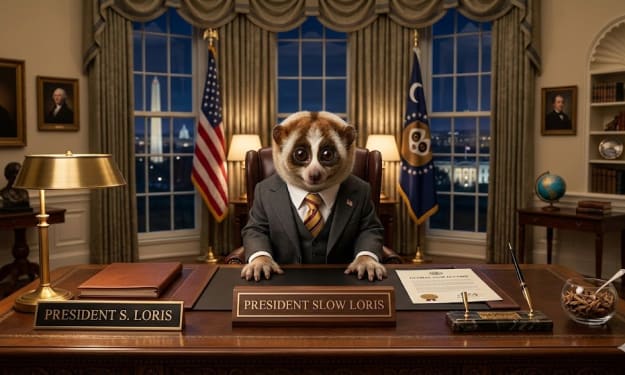
While we humans are busy arguing over climate accords and which billionaire gets to colonize Mars first, a silent, wide-eyed shadow is creeping across the canopy of Southeast Asia. We have long overlooked the slow loris, dismissing it as a "cute" viral video sensation or a lethargic fuzzball. This is our first—and perhaps final—mistake.
By Richard Weber2 days ago in Humor



Comments
There are no comments for this story
Be the first to respond and start the conversation.